Oahu: Between the City and the Sea
Arrival: Crossing the Pacific and First Impressions
There was something especially exciting about finally flying to Hawaii. My interest in the islands began years earlier, when my husband told me stories about the several years his parents lived on the Big Island and the visits he made while they were there. By the time we started dating, his parents were in the process of moving back to the East Coast, so Hawaii remained a place I knew only through his memories. Now, after years of imagining it, I was finally on my way.
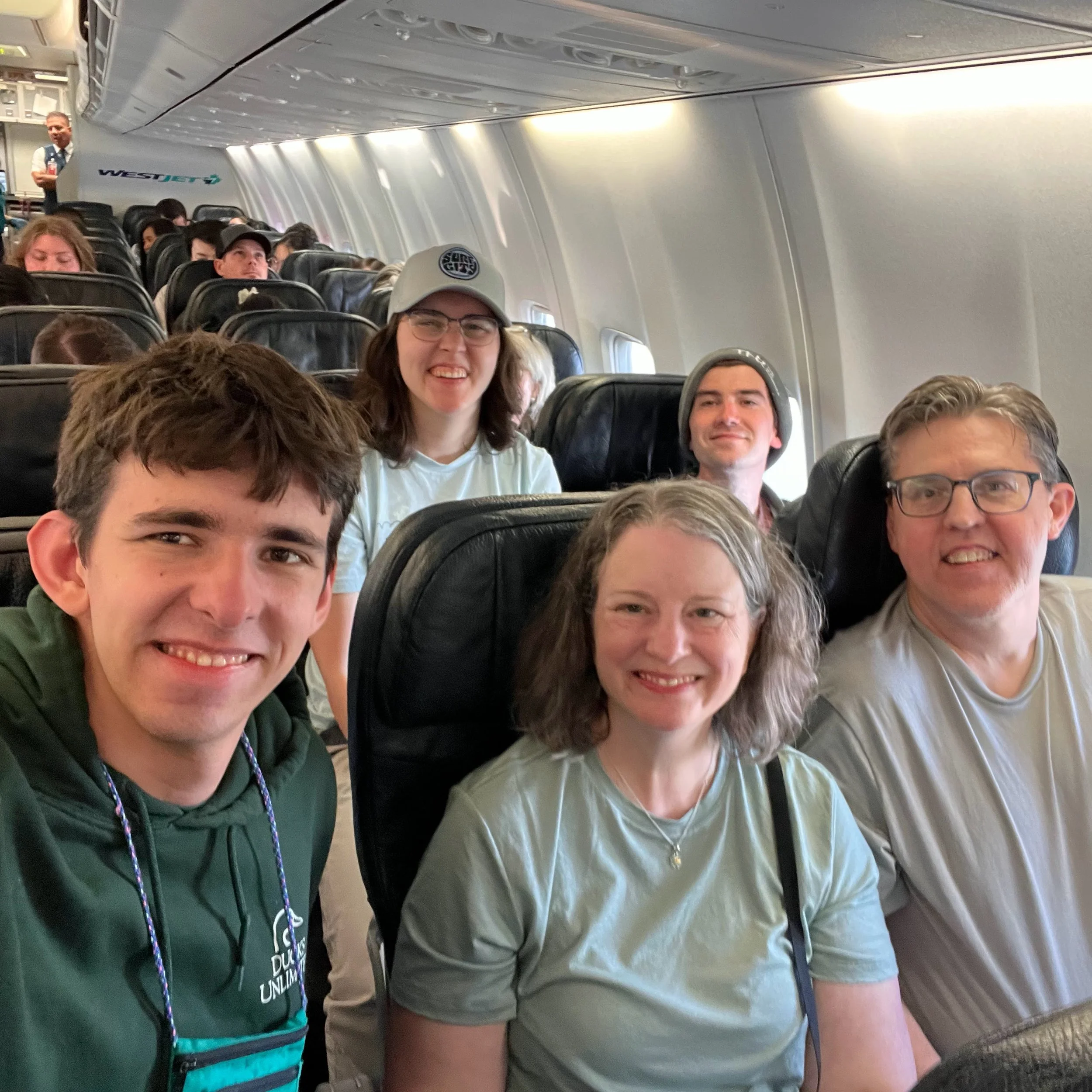
The trip felt even more special because I was sharing it with my two grown children and my daughter's boyfriend, who was about to complete his goal of visiting all fifty states.
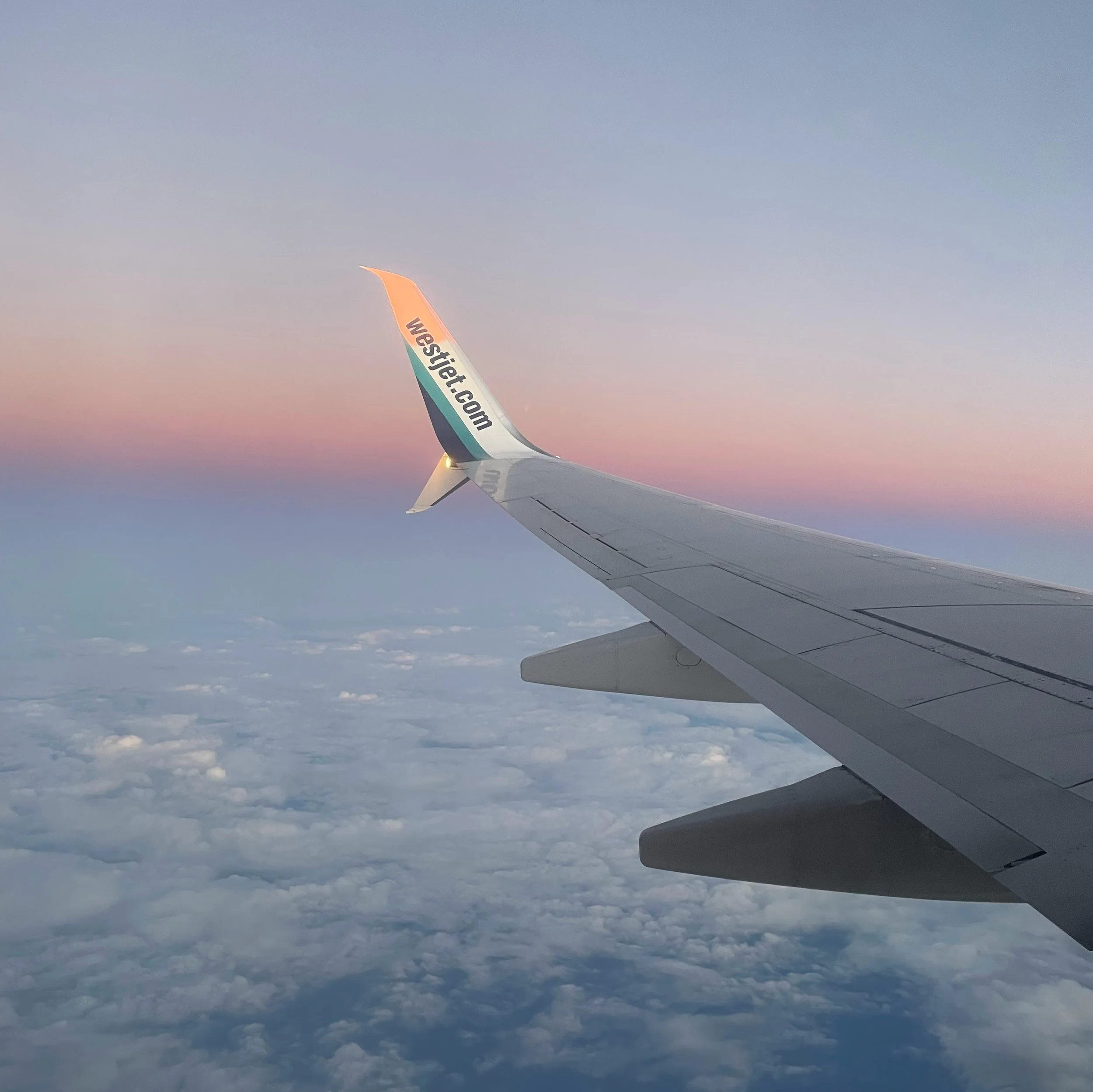
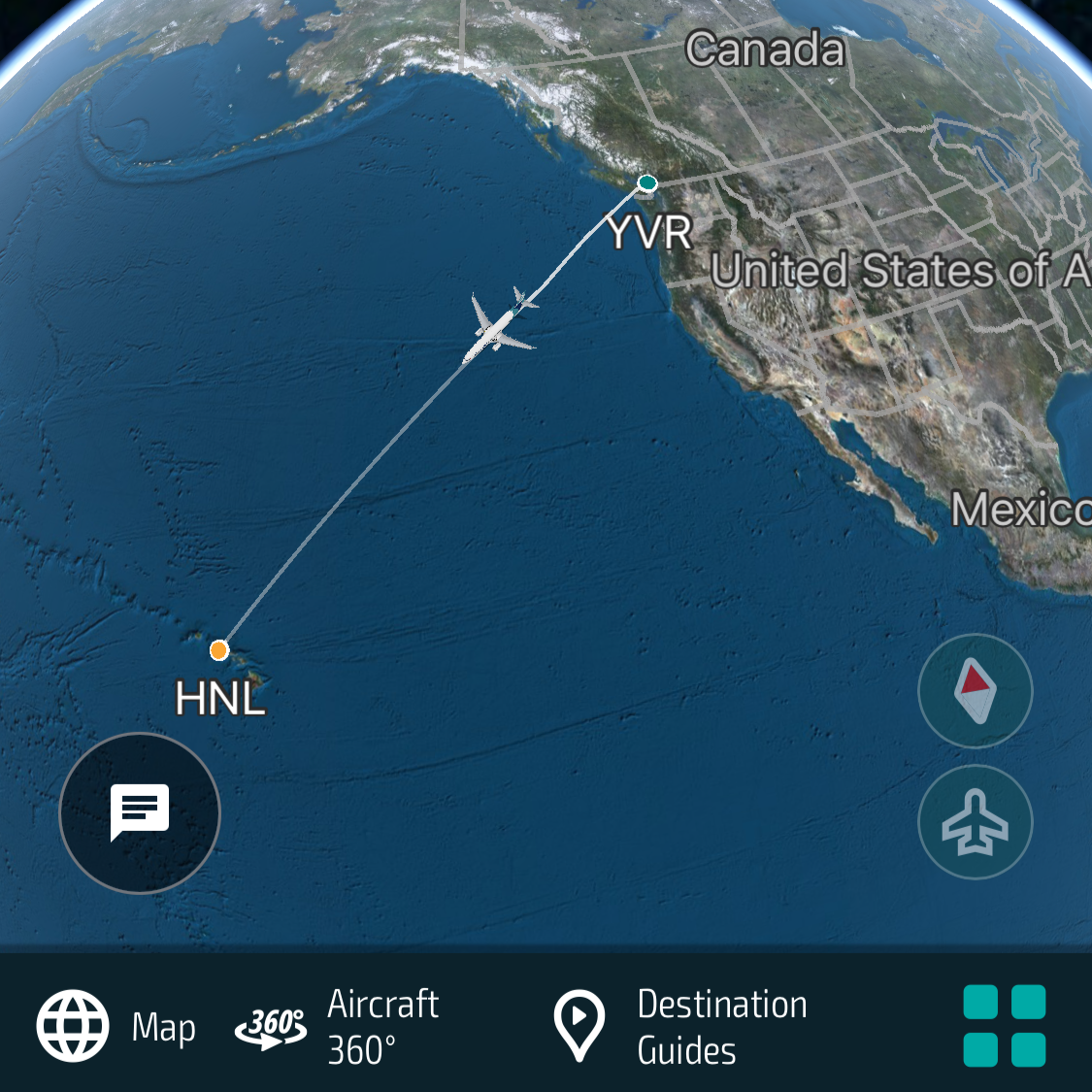
The journey itself underscored just how distant the islands really are. We first flew across Canada and parts of the northern United States from Toronto to the West Coast. From Vancouver, we then flew west over the Pacific for hours without seeing land, suspended above an endless ocean in the dark below. It created a quiet, slightly disorienting sense of scale unlike anything I'd experienced on previous long-haul flights to Europe.
We arrived after dark, and the first sight of Oahu was the glow of city lights emerging from the darkness. By the time we made our way through the airport and into Waikiki, it was difficult to get a clear sense of where we were in relation to the beach or coastline. Everything felt close, but also slightly abstract in the nighttime city grid.
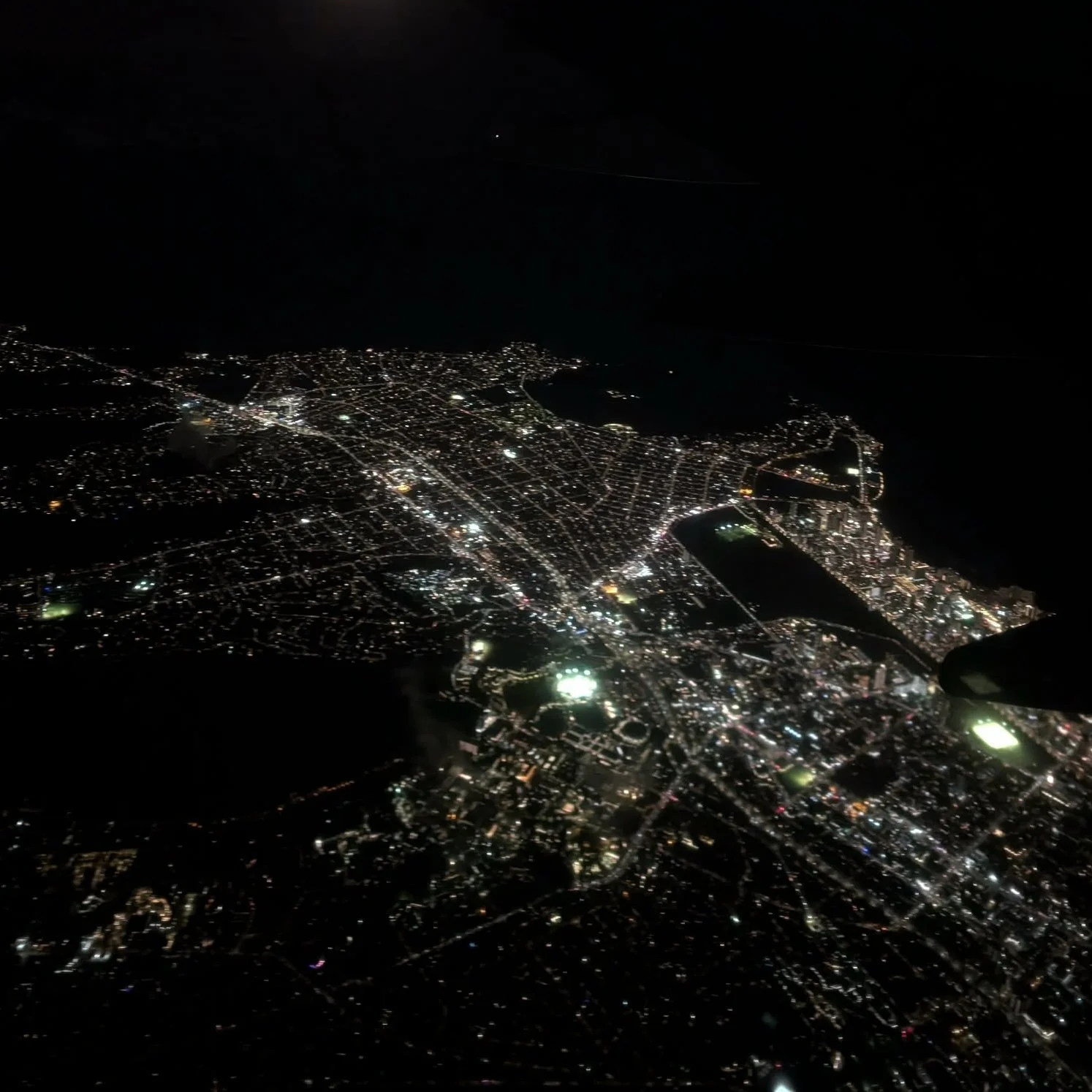
It wasn’t until the next morning that the setting became fully clear.
Waikiki as Our Base: The Value of Staying in One Place
That first morning revealed Waikiki as our base for the week.
We stayed in a timeshare unit within the Royal Kuhio condo tower, but the building also contains a mix of full-time residents and vacation renters. The location turned out to be one of the most practical parts of the trip—right in the heart of Waikiki, within walking distance of the beach, shops, and restaurants, but set back from the busiest beachfront strip.
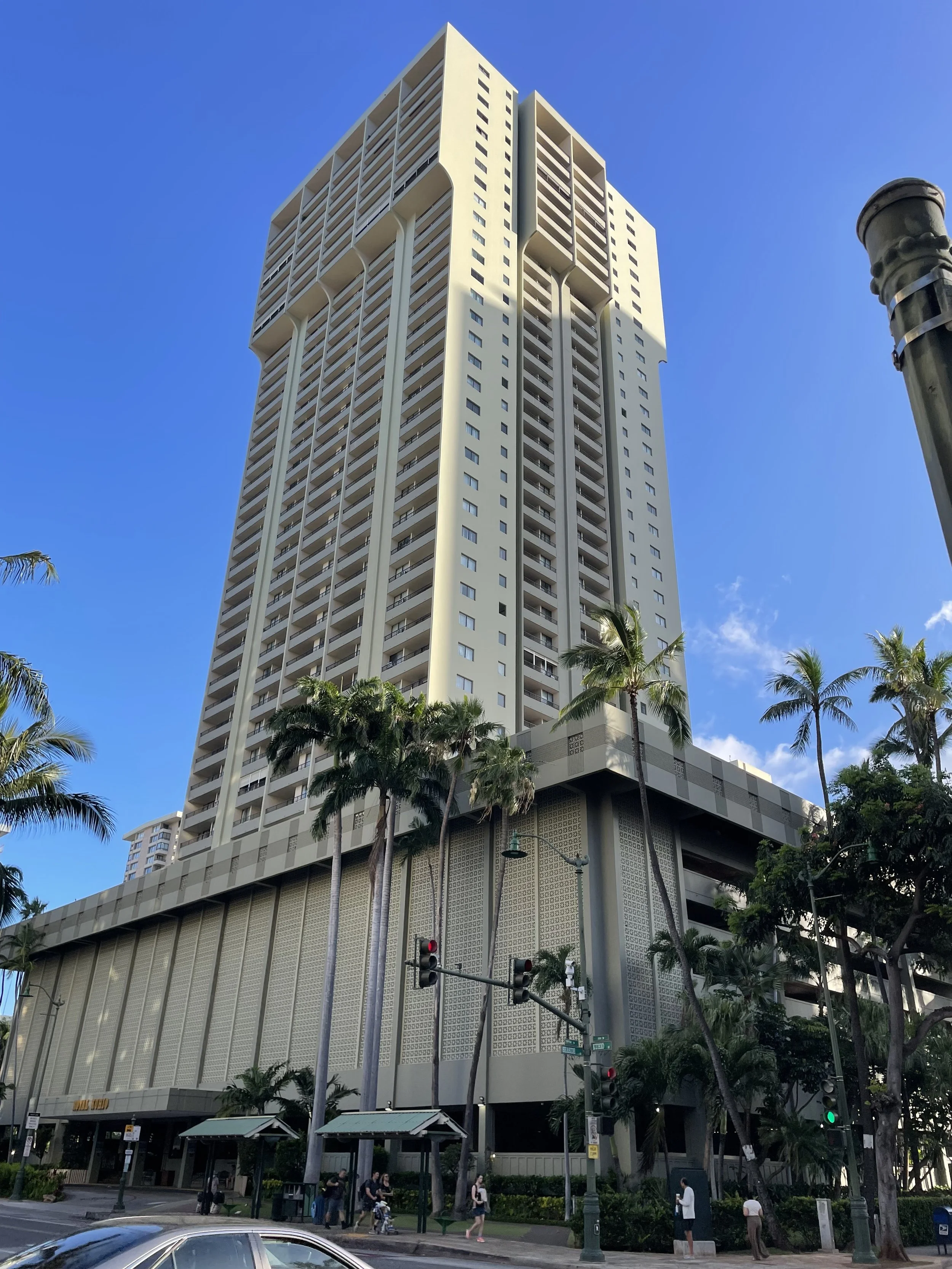
The Royal Kuhio, our Waikiki home for the week
Because we were traveling as an extended family, we also found separate nearby accommodation for our daughter and her boyfriend at a hostel within walking distance of our hotel. Having two nearby bases gave us flexibility while still keeping everyone close enough to easily meet up throughout the day. It also reflected the way different travel styles can coexist within the same trip—some of us preferring more private space, others opting for a simpler, more budget-friendly setup.
Honu Waikiki, a budget-friendly, well-reviewed hostel with a variety of shared or private room options
Most of our day trips were within easy driving distance, yet returning to Waikiki each evening gave the week a sense of rhythm. We could park the car and immediately slip into a walkable world of restaurants, shops, and the beach.
By the end of our stay, Waikiki had become familiar enough that I felt comfortable setting out on my own while the rest of the group went snorkelling. I walked to the beachfront statue of Hawaii’s legendary surfer and Olympic gold-medal swimmer, Duke Kahanamoku. He stood surrounded by palm trees and draped in leis. After taking my photos, I wandered into the shaded labyrinth of a magnificent banyan tree nearby and paused in the relative coolness to people-watch for a while.
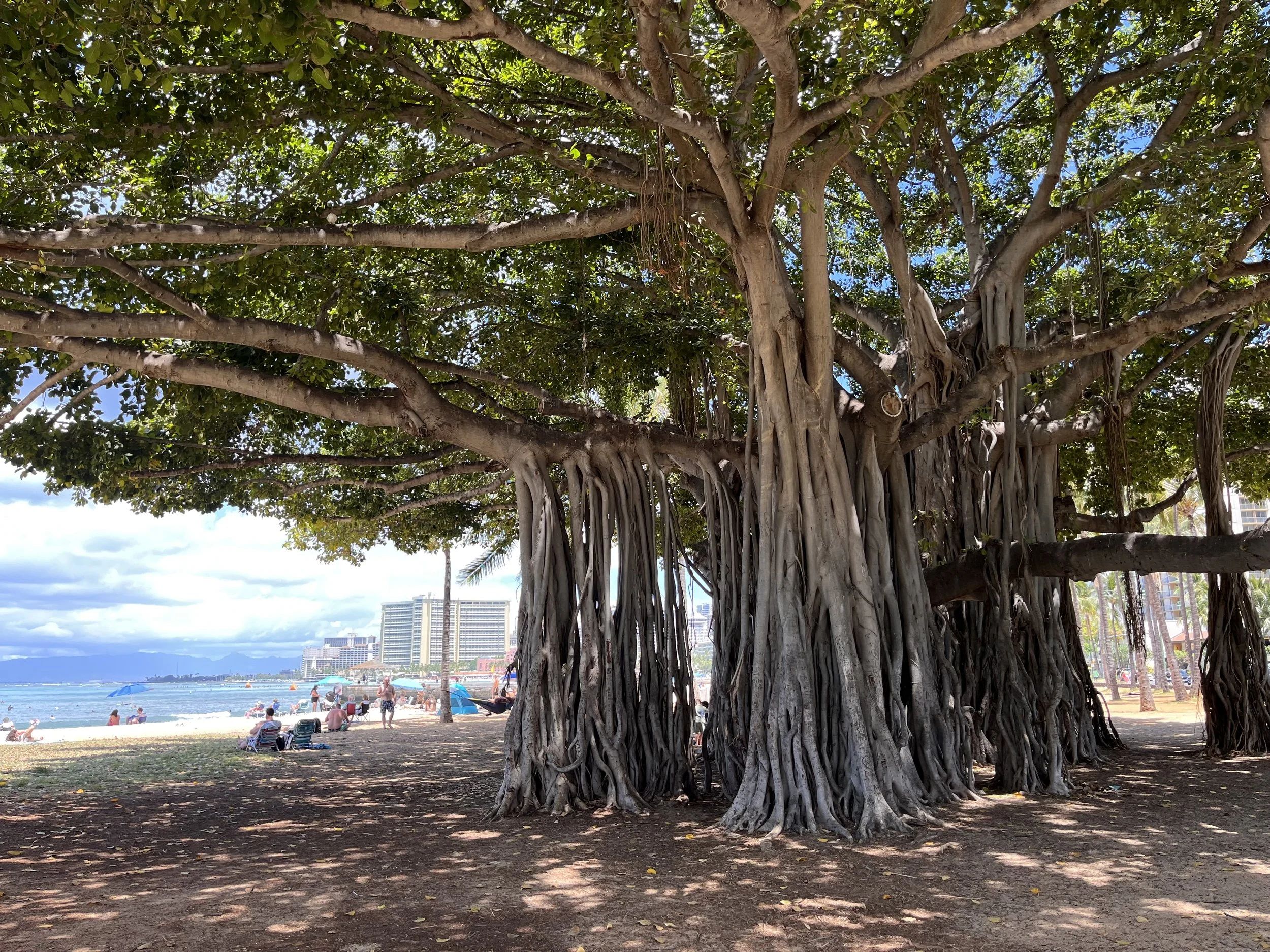
Banyan trees send roots down from their branches, creating new trunks as they grow. This tree’s sprawling canopy created a huge patch of shade from the Hawaiian sun.
I enjoyed finding my way through the city, navigating the unusual all-way pedestrian intersections, sampling cookies at the Honolulu Cookie Company, and picking up a few groceries before heading back to the Royal Kuhio.
I arrived at the condo just in time to settle into the rocking chairs at the front of the building and hear about the others' snorkelling adventures.
It was a small moment, but one that captured what I appreciate about staying in a single place. Travel isn't always about discovering new destinations. Sometimes it's also about returning to the same place each day and gradually feeling less like a visitor.
Urban Energy at the Edge of the Ocean
As we got up each day, Waikiki was already in motion.
Tourists in search of their morning coffee and surfers carrying their boards to and from the beach created a steady flow between city and shoreline.
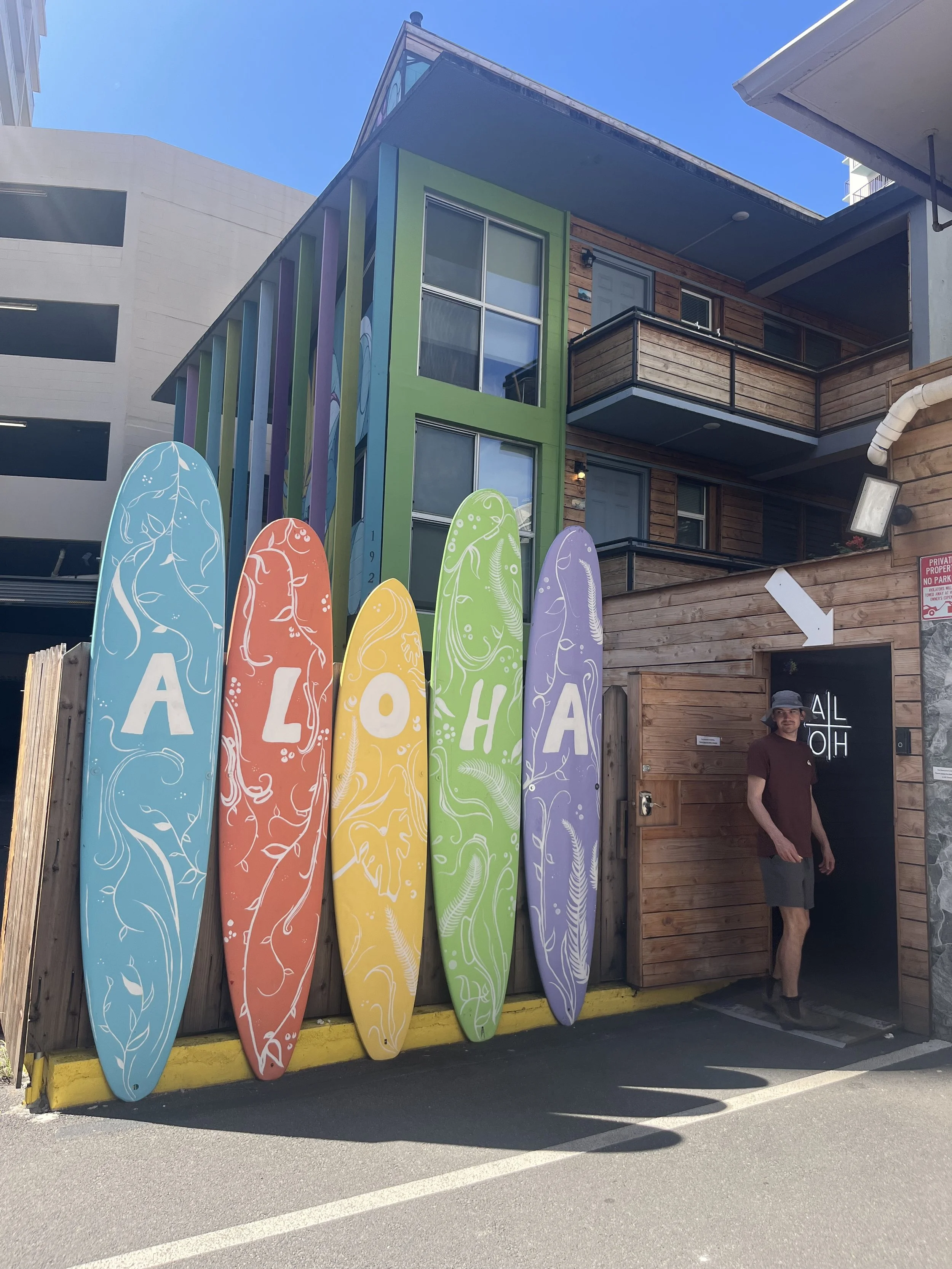
Just a few blocks from our hotel, we found a narrow alley lined with surfboards leaning against walls, a kind of hidden passage between tall buildings that opened directly toward the water.
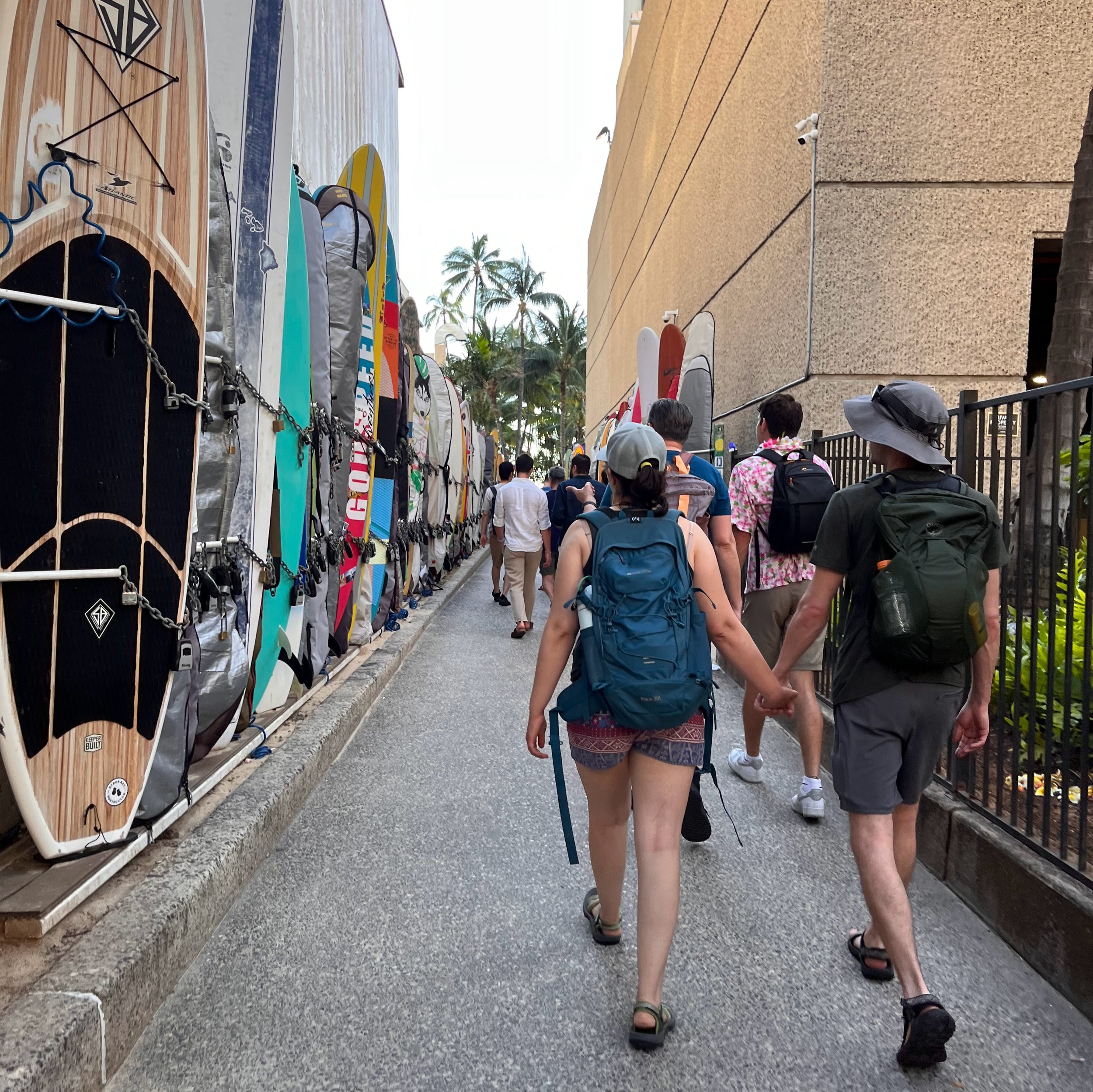
What I thought was a display of surfboards turned out to be storage space for local surfers.
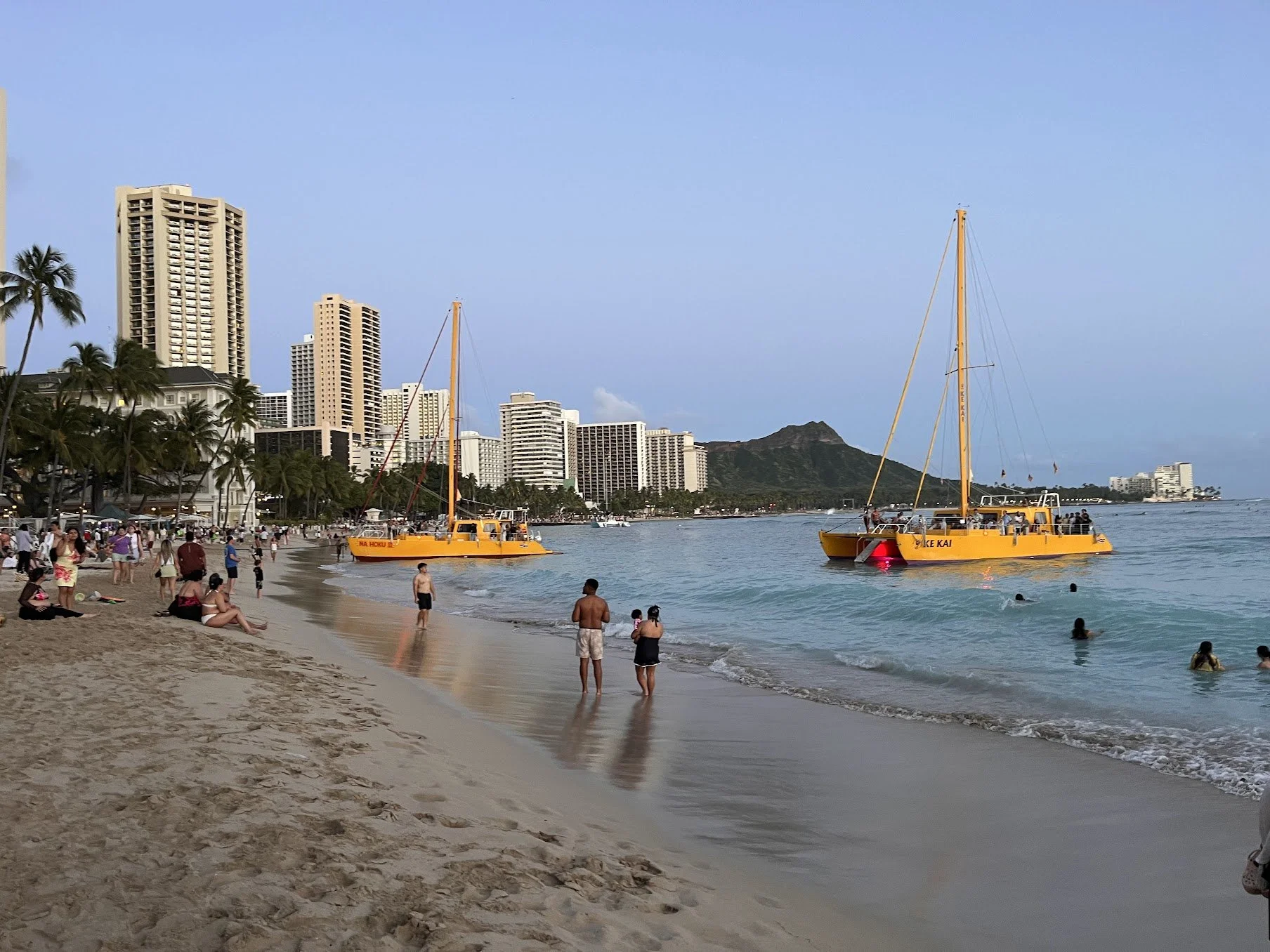
It felt like a threshold between two worlds: one of high-rise city streets and one of open ocean framed by Diamond Head, the volcanic crater that anchors the skyline above Waikiki.
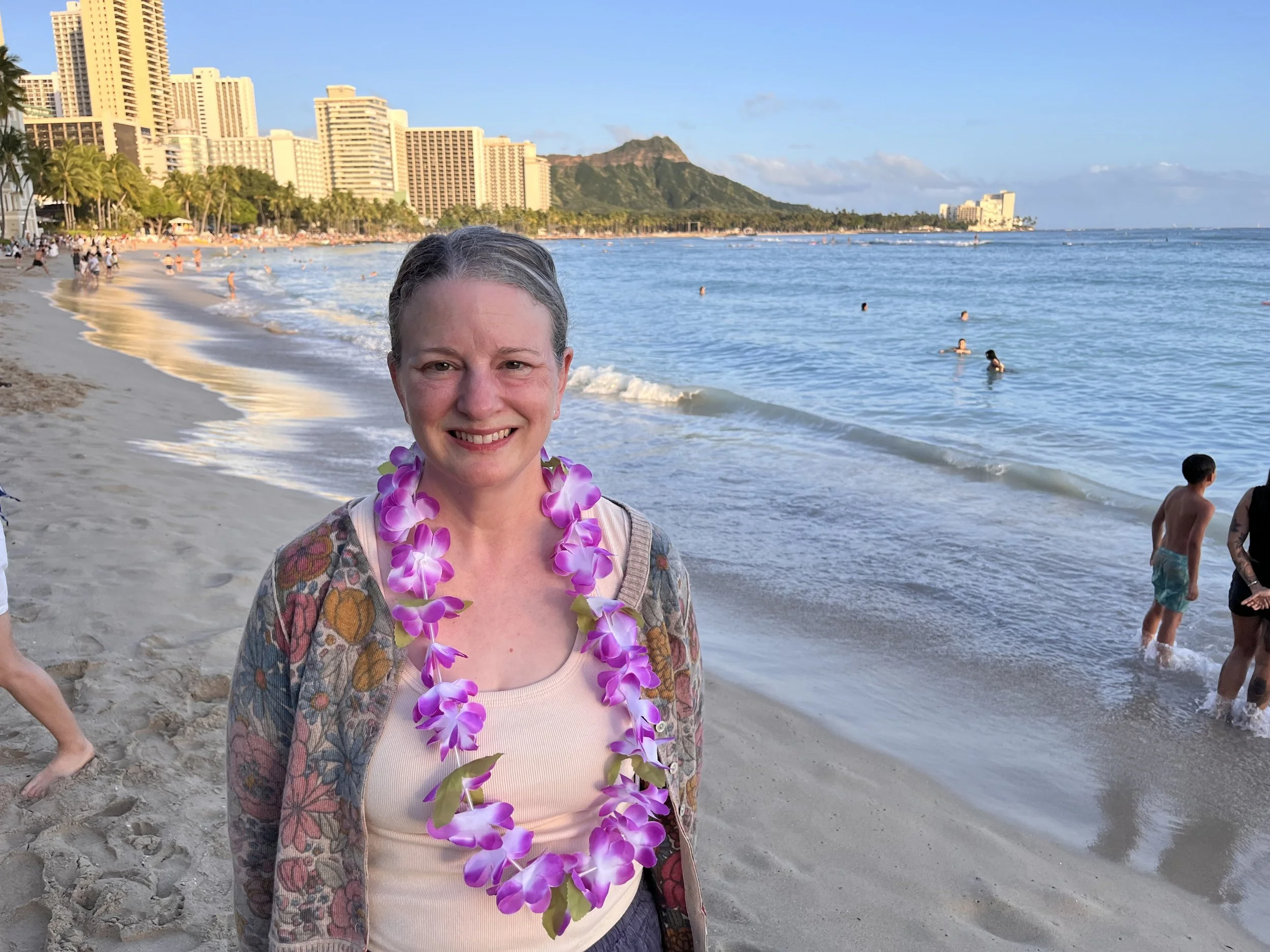
Waikiki Beach itself was beautiful and instantly recognizable, but also small and very crowded. It wasn’t a place for solitude so much as shared experience—people swimming, surfing, watching, photographing, and drifting in and out of the water.
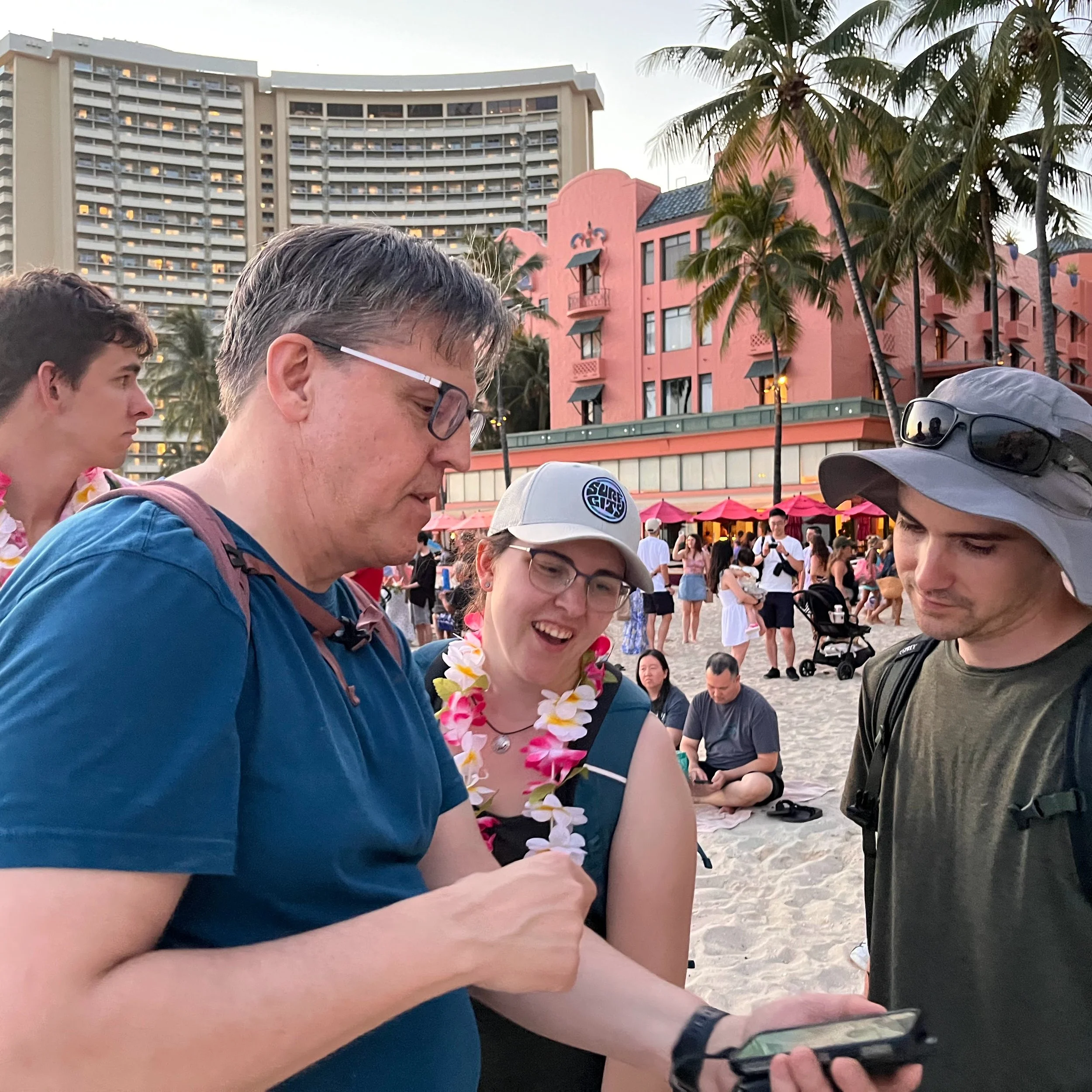
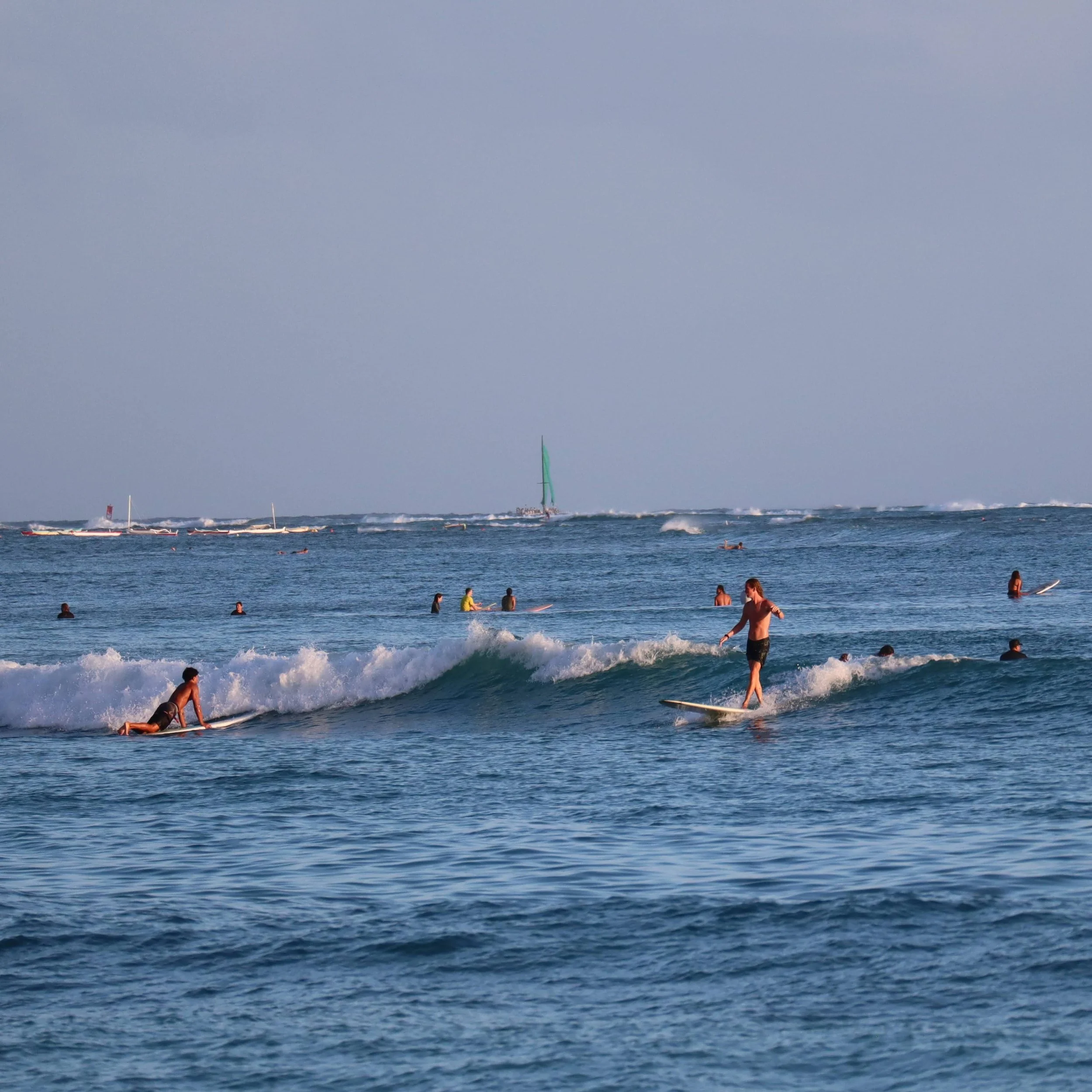
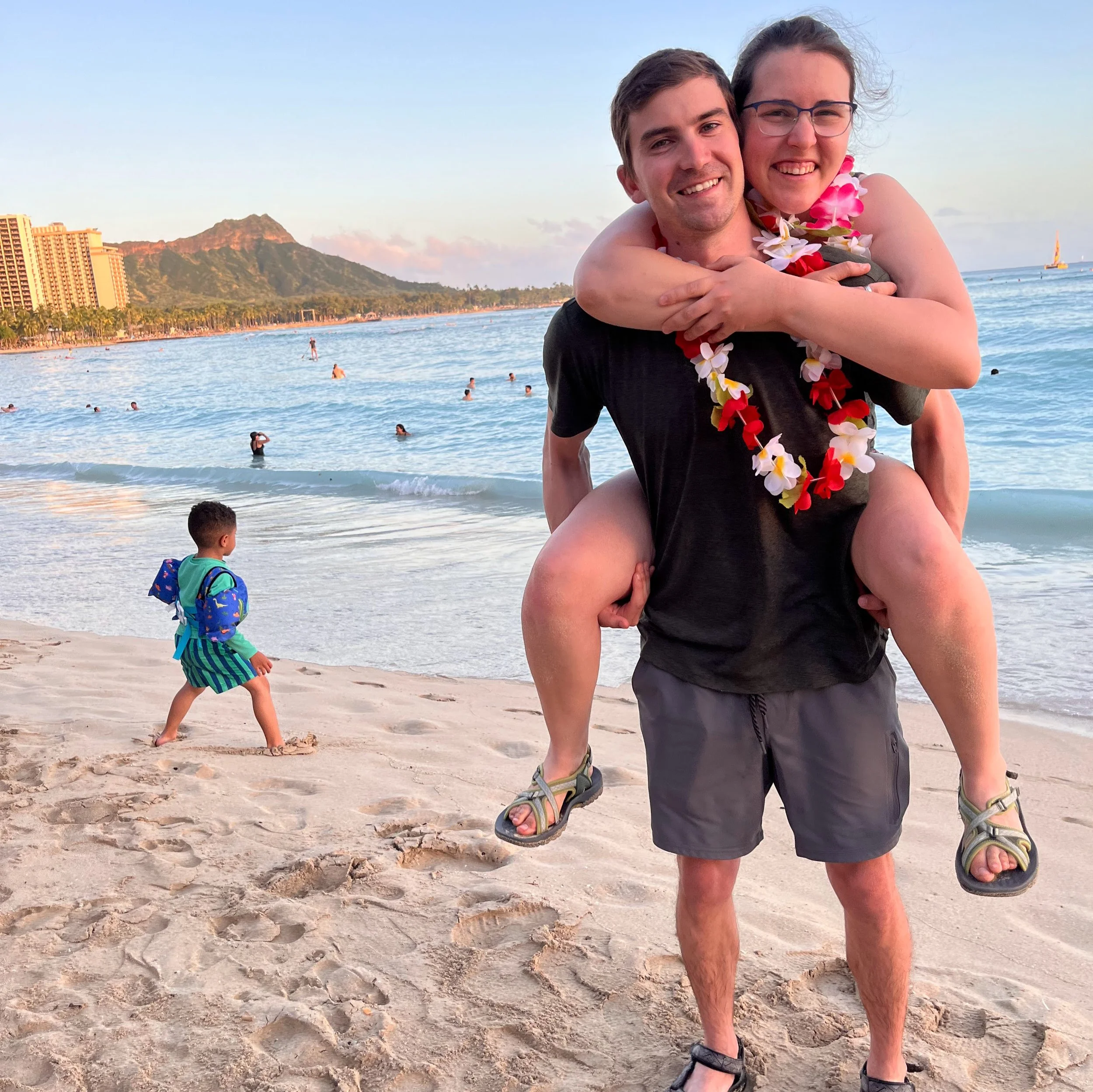
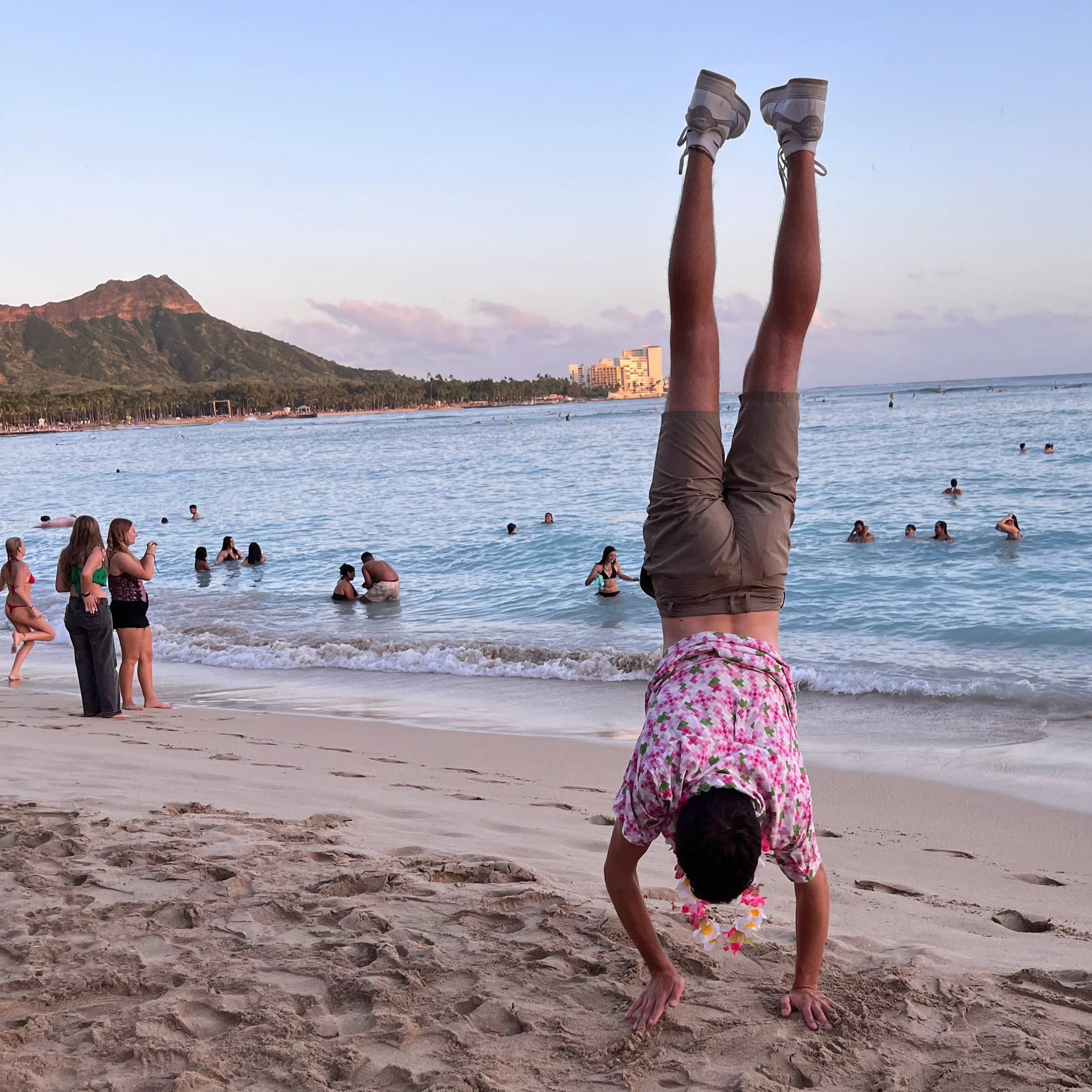
We joined the throngs on the stone breakwater one evening to watch the sunset, amused by the cameras all pointed seaward and then the sudden collective turn as everyone headed back to the beach the moment the sun slipped below the horizon
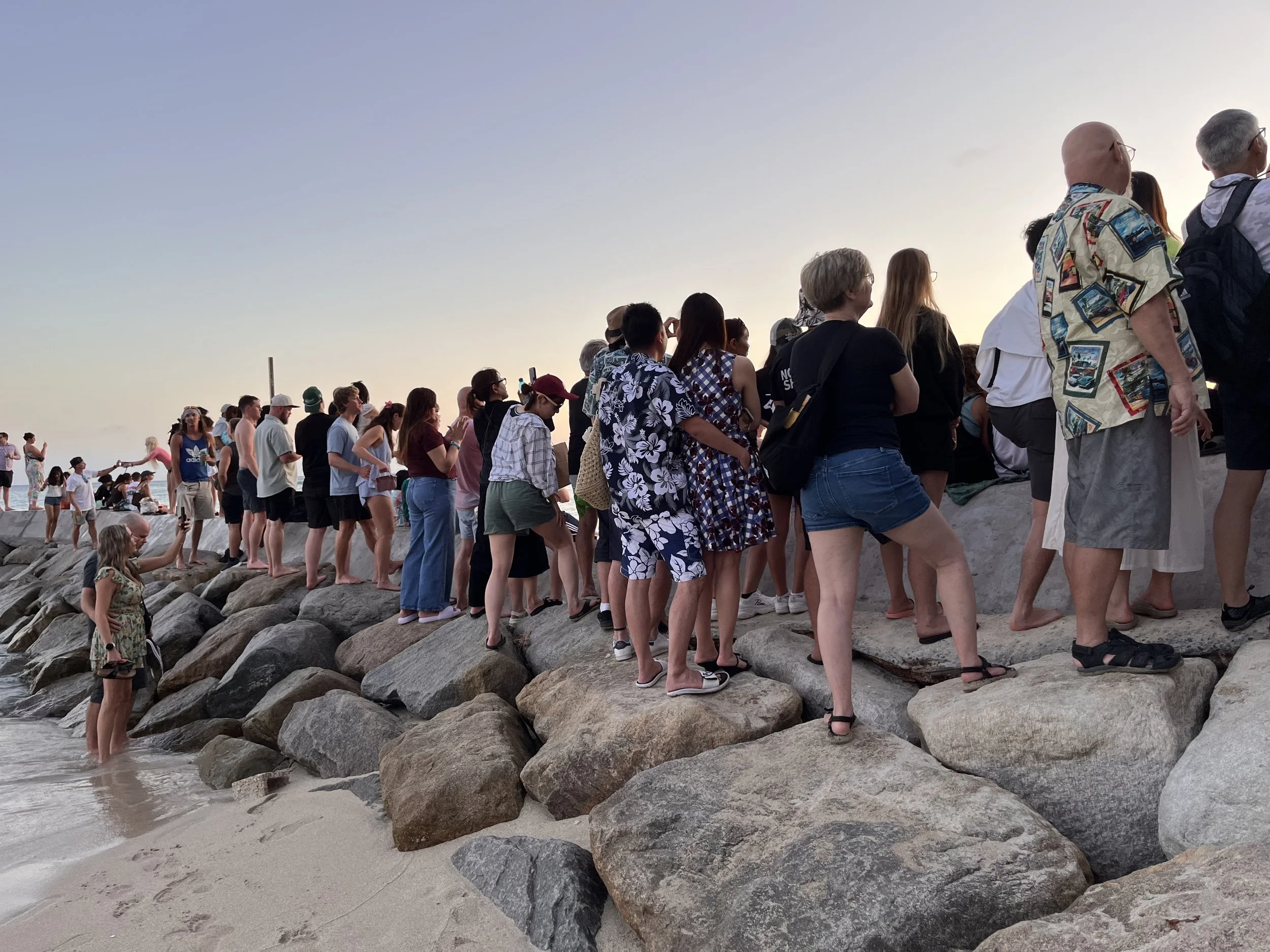
We didn’t know about the green flash—a brief optical phenomenon—until after this sunset, but later we wondered how many others were watching for it.
Diamond Head at Sunrise: Shared Views and Post-Hike Malasadas
We did the famous Diamond Head hike early in the trip, and while it was undeniably beautiful, it was more crowded than I expected—even at sunrise. A steady flow of people moved up the path in the early light.
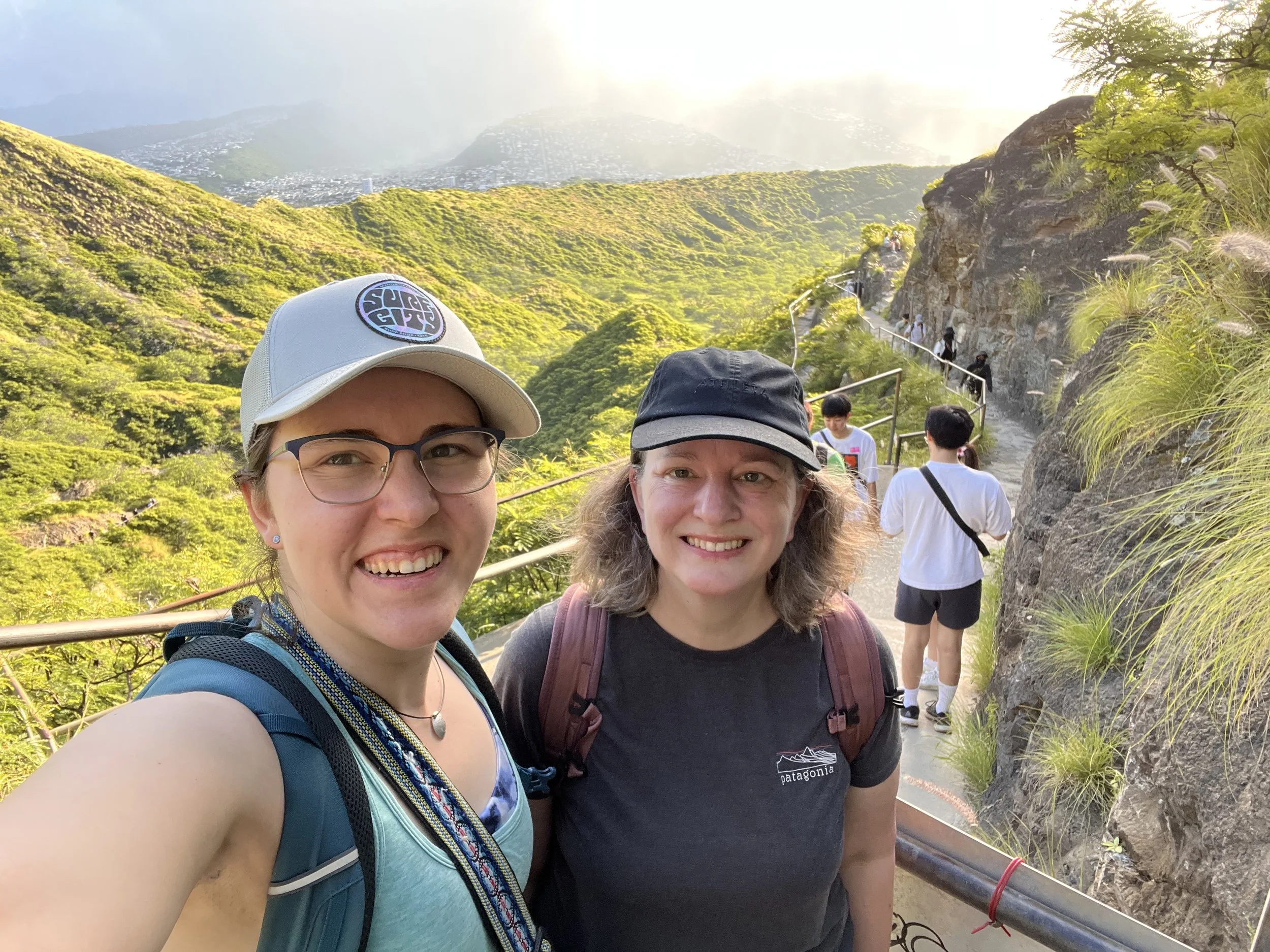
At the top, the views stretched in both directions along the coastline. It wasn’t a quiet moment, but it was a memorable one, shaped as much by the shared effort of the climb as by the view itself.
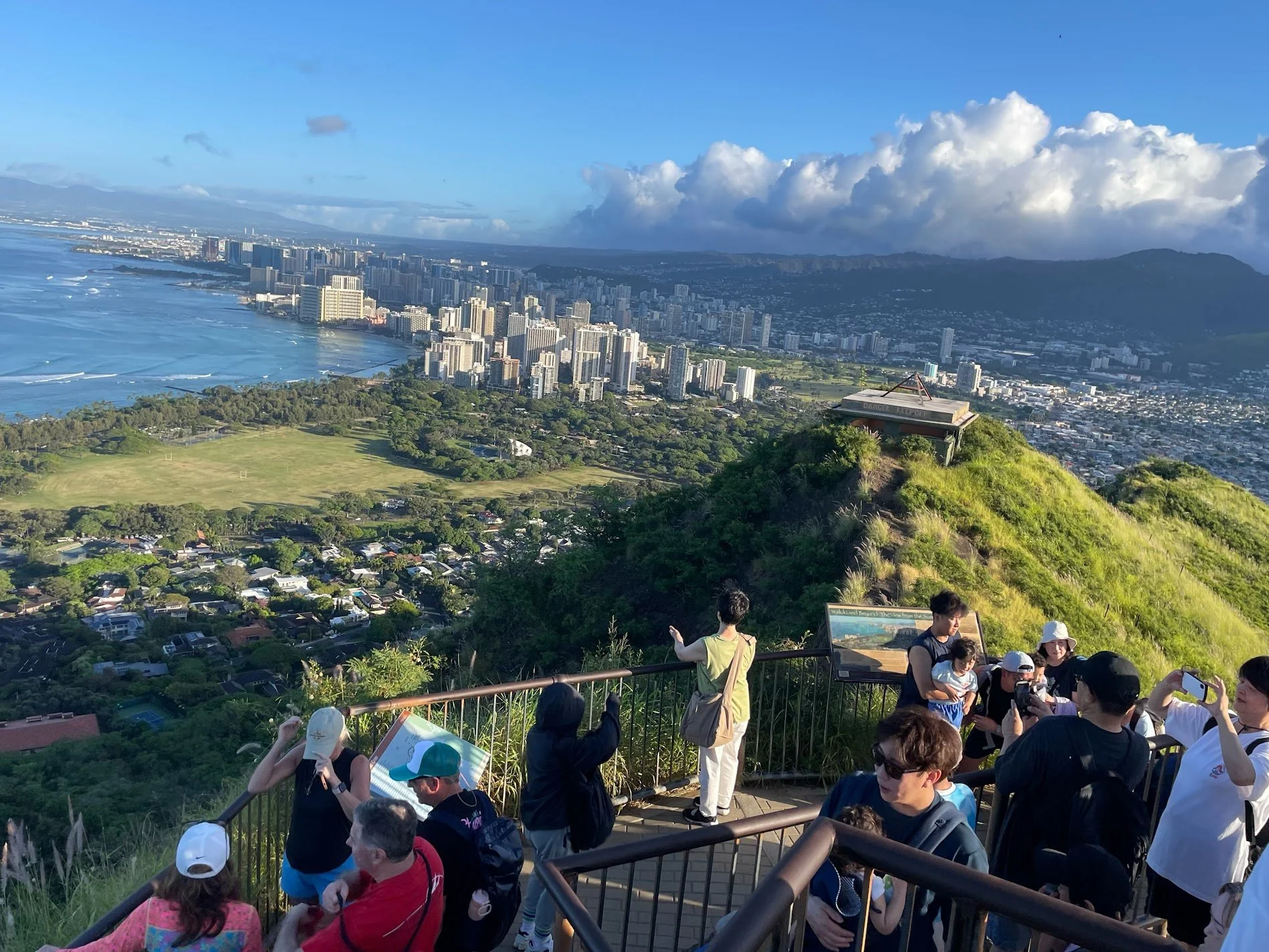
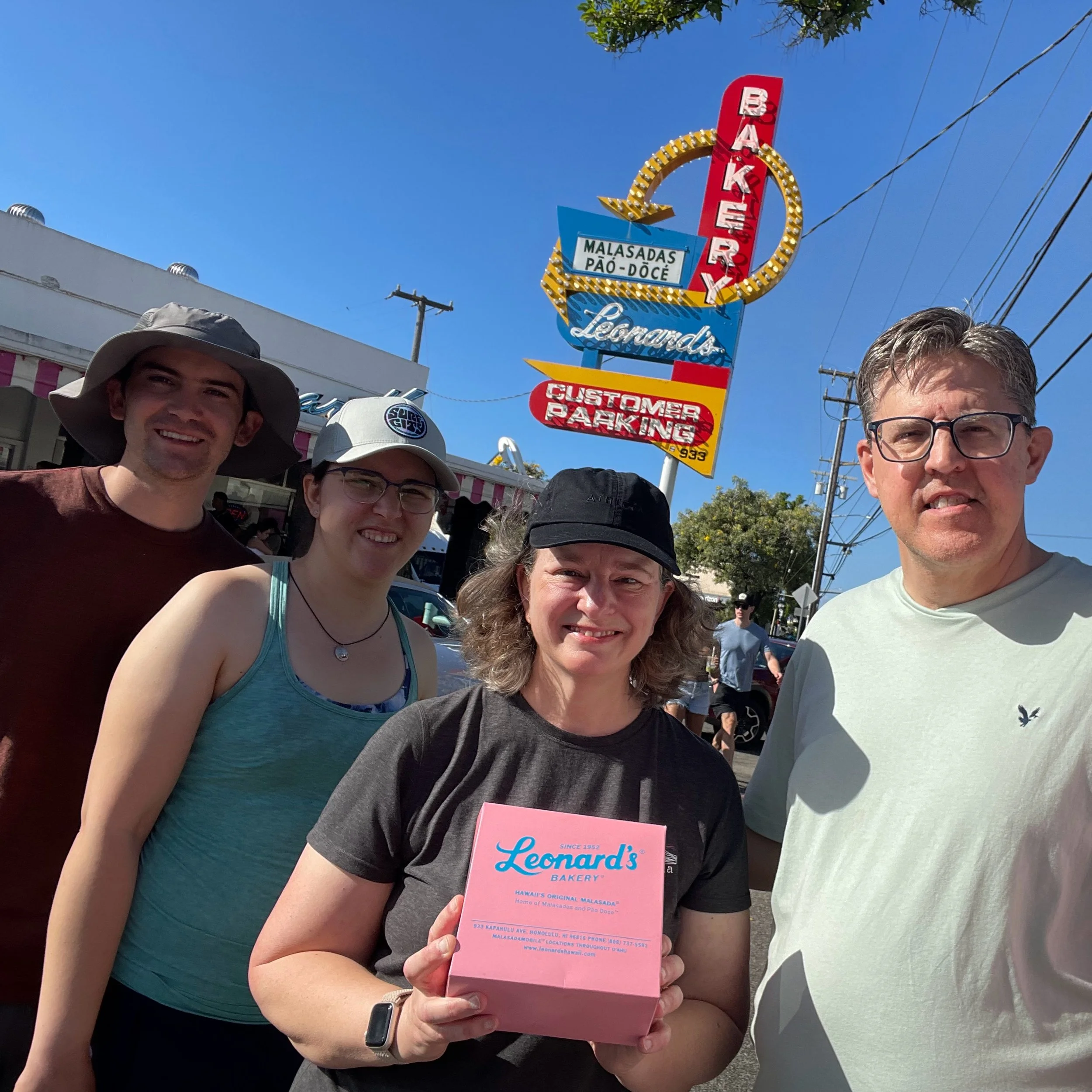
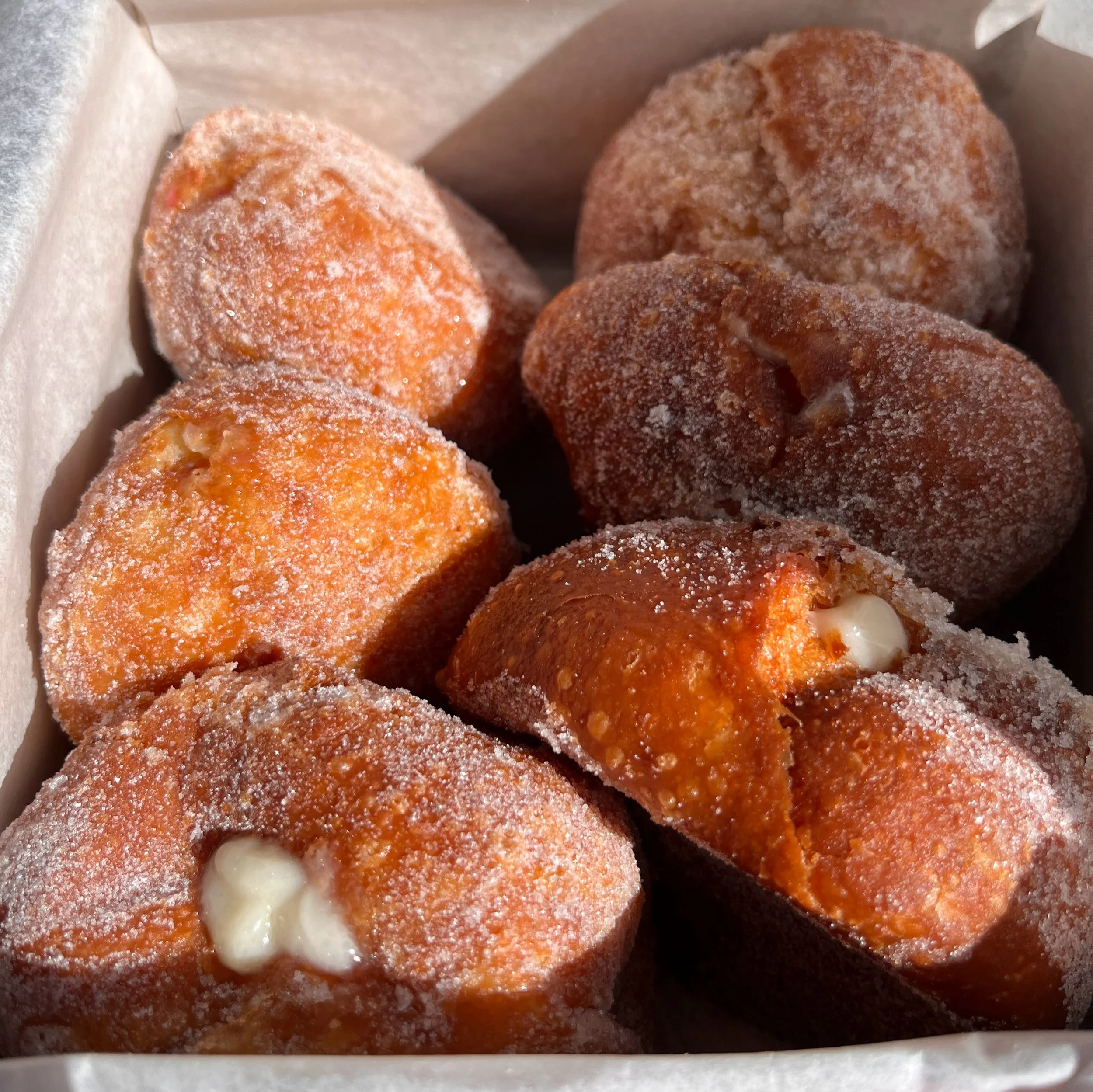
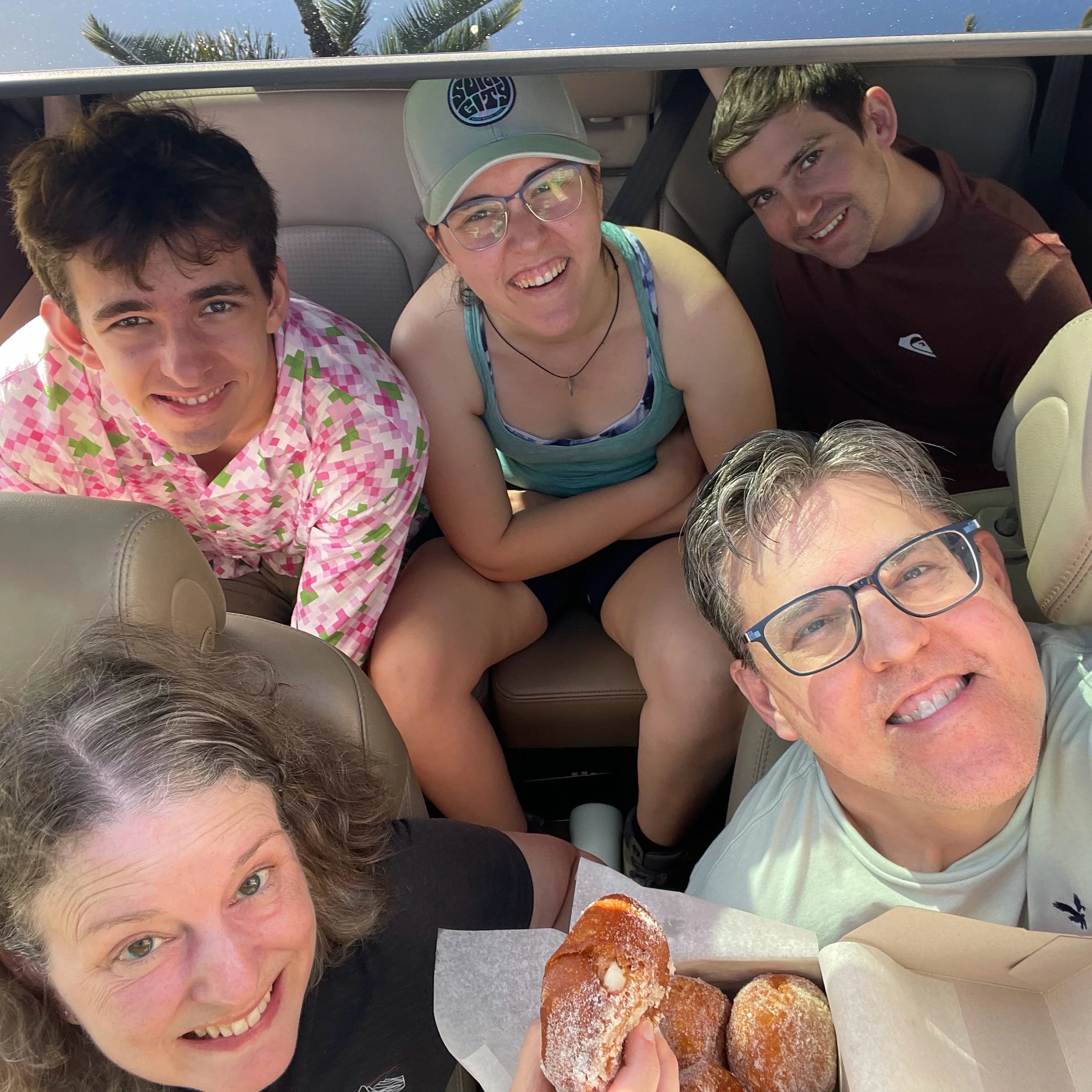
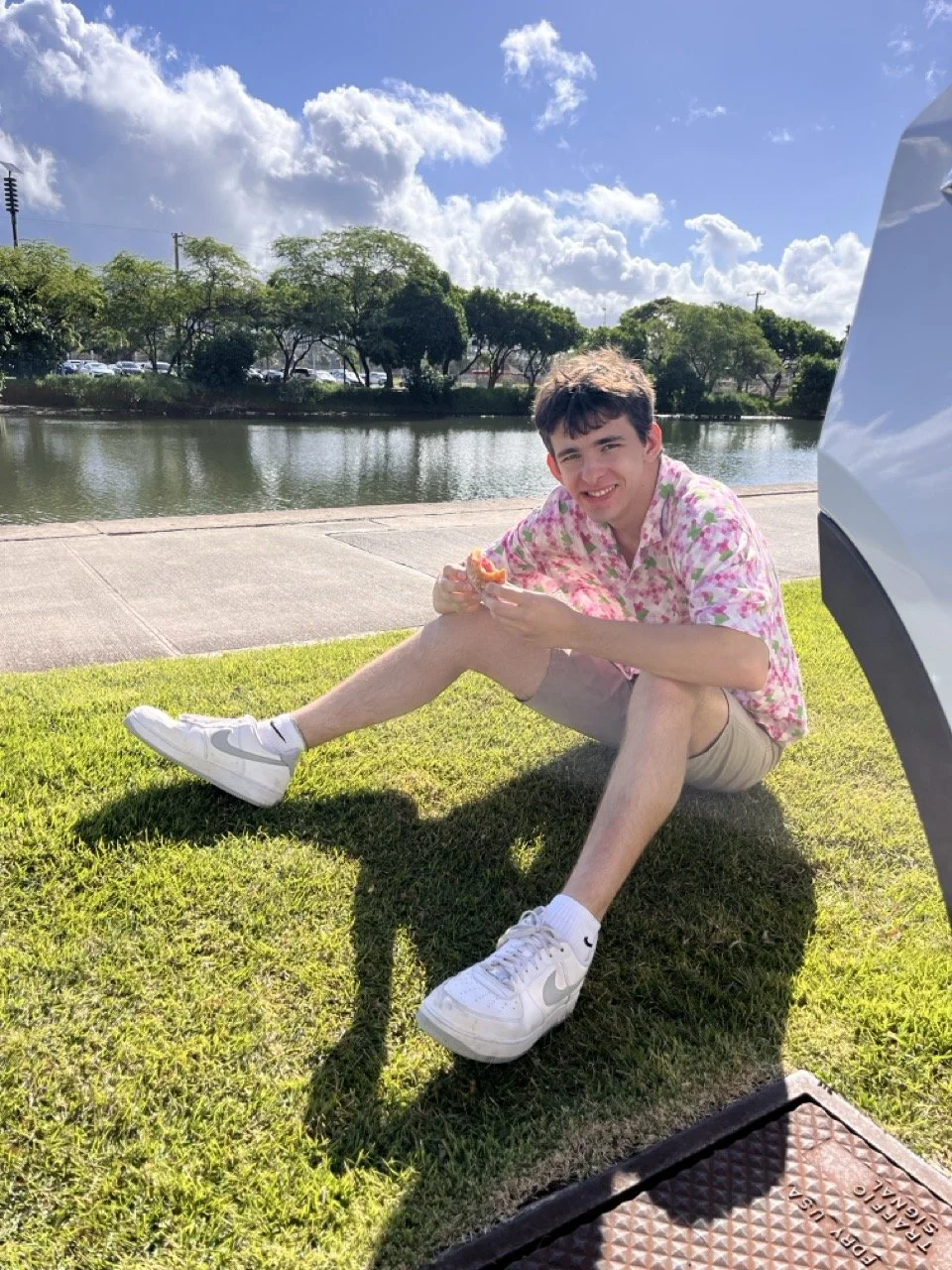
Afterward, we sampled the renowned malasadas from Leonard’s Bakery, a famous Honolulu spot for Portuguese treats. It was a slightly chaotic experience to buy them, despite employees directing both car and foot traffic. After pausing for photos with the pink box in front of the iconic sign, we drove to the nearby canal and ate them in the sun, happily away from the crowds.
Waikiki Tea: A Pause in the Middle of the City
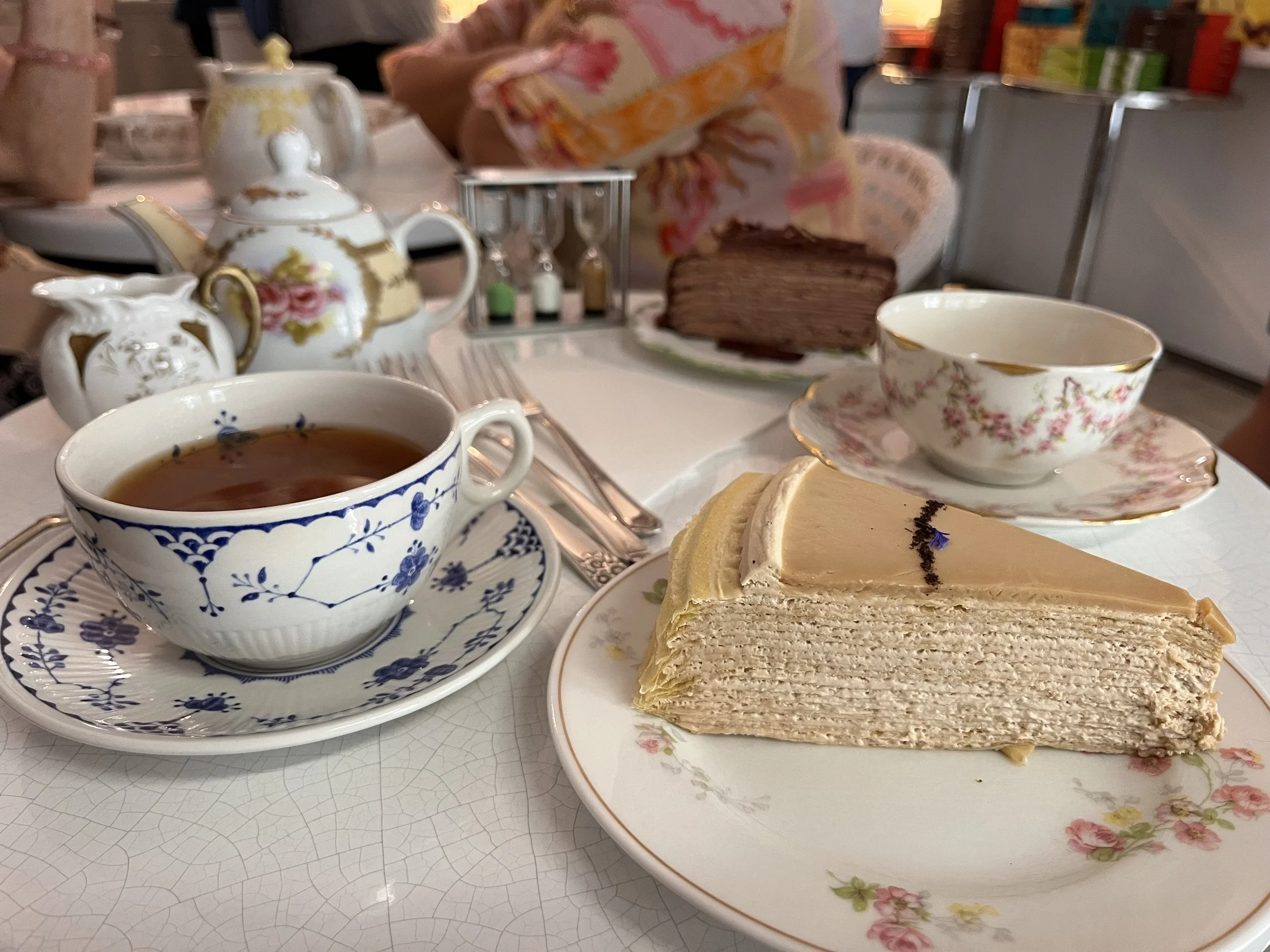
One of my favourite pauses in Waikiki was a visit to Waikiki Tea House.
Although it was only a short walk from the shoreline, the afternoon tea service felt like a deliberate change of pace.
They served my Earl Grey and my son’s Chai in an assortment of vintage cups alongside beautifully layered Mille Crêpes cakes, a quiet moment of stillness in the middle of our days exploring the island.
An Evening at ʻAuana
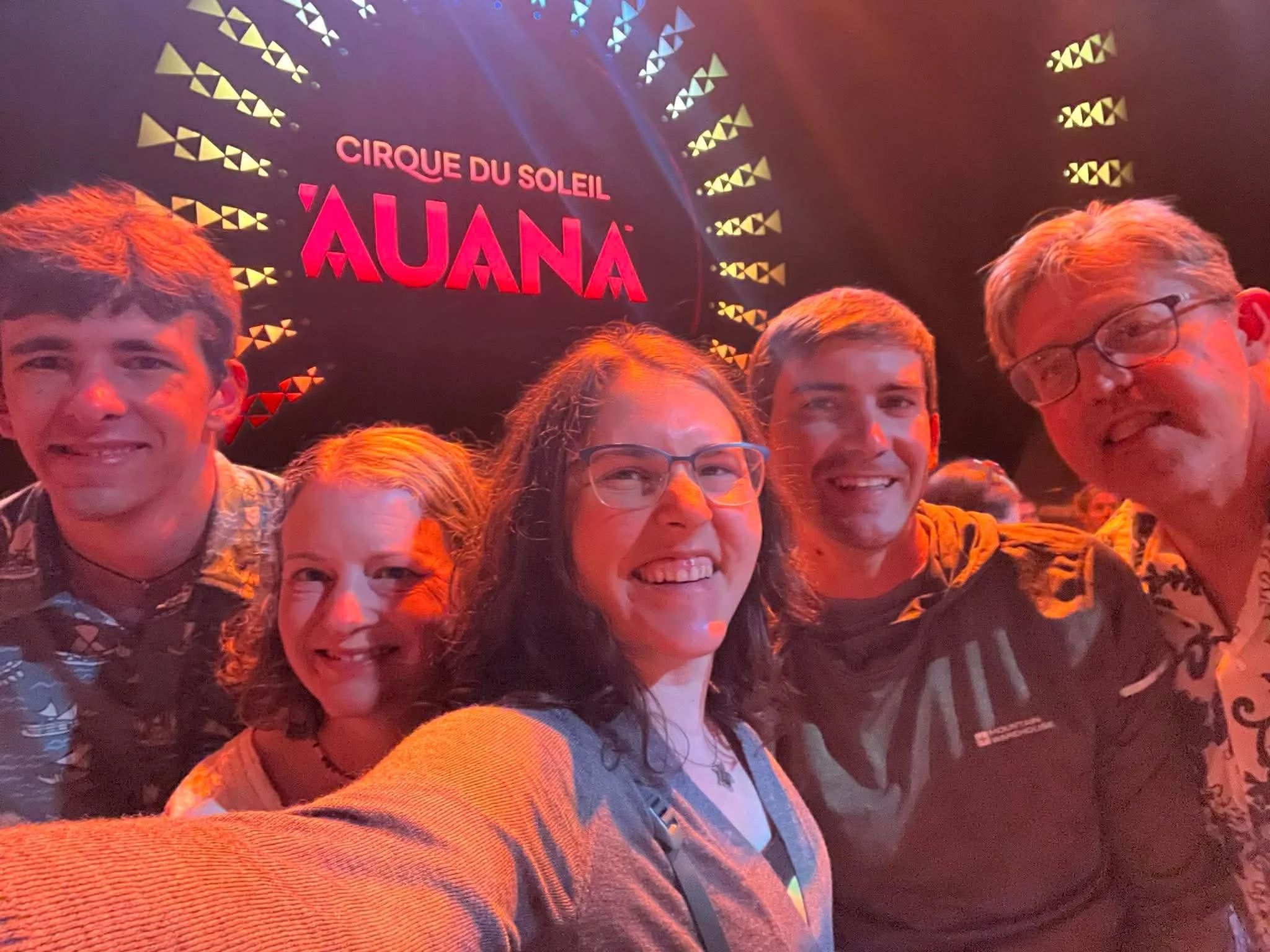
For our last night in Oahu, we went to see ʻAuana, Cirque du Soleil’s resident Hawaiian production in Waikiki. It was an easy walk from our hotel, which made it feel like a natural way to close out the trip rather than a major planned excursion.
I had never been to a Cirque du Soleil show before, though I had always wanted to go. My husband agreed to this one partly because it had a specifically Hawaiian theme, rather than something more abstract or generic. The young adults in our group were also excited about ending the trip with a shared night out together.
The setting surprised me most—it was much more intimate than I had imagined, and the stage felt close and immediate rather than distant or theatrical. I especially liked the clever opening, which began with what appeared to be someone from the audience confidently making his way onto the stage, blurring the line between performance and arrival.
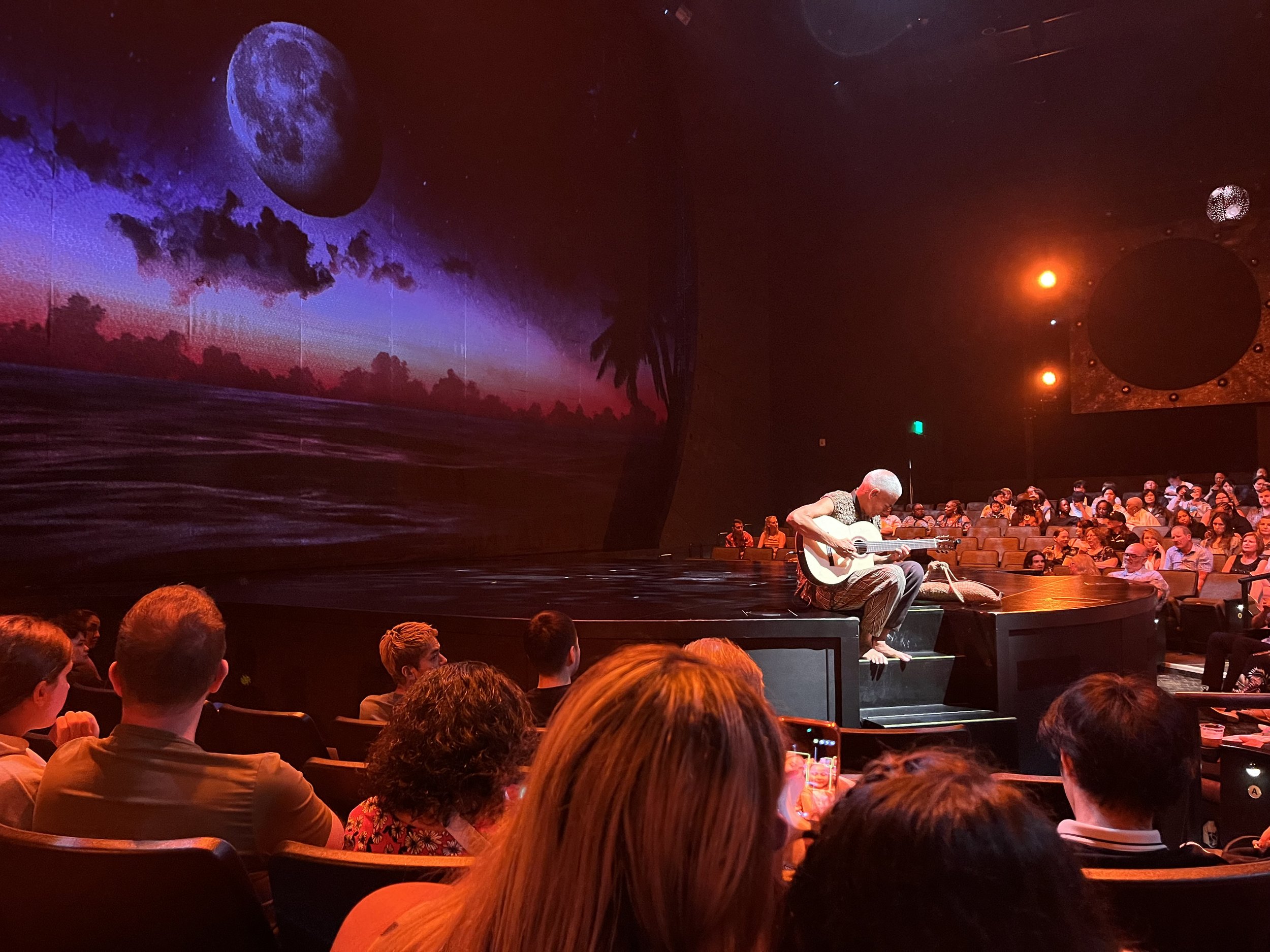
The acrobatics were, of course, extraordinary, but what stood out most was how the storytelling incorporated surfing culture, beach life, and Hawaiian themes in a way that felt playful rather than literal. There was a lightness to it that suited the island.

Earlier in the trip, we had also attended an evening show at the Polynesian Cultural Center, which included fire dancing and a more traditional stage presentation of Polynesian culture. That performance felt larger in scale and more formal, while ʻAuana felt more intimate and contemporary. The two complemented each other well, and I’m glad we experienced both.
Kualoa Ranch: Seeing Oahu from the Saddle
Kualoa Ranch was our first day trip out of Waikiki. We booked an 8am horseback riding tour so we could avoid the crowds and the heat of the day. In general, we took advantage of our East Coast body clocks to get up early, which helped us make the most of the mornings before things got busy. I’m so glad we did, because it almost felt like we had the place to ourselves.
The drive there was beautiful—winding along the coast with sweeping ocean views and lush green mountains rising inland. At one point we drove a section of the most expensive highway per mile ever built in the United States.
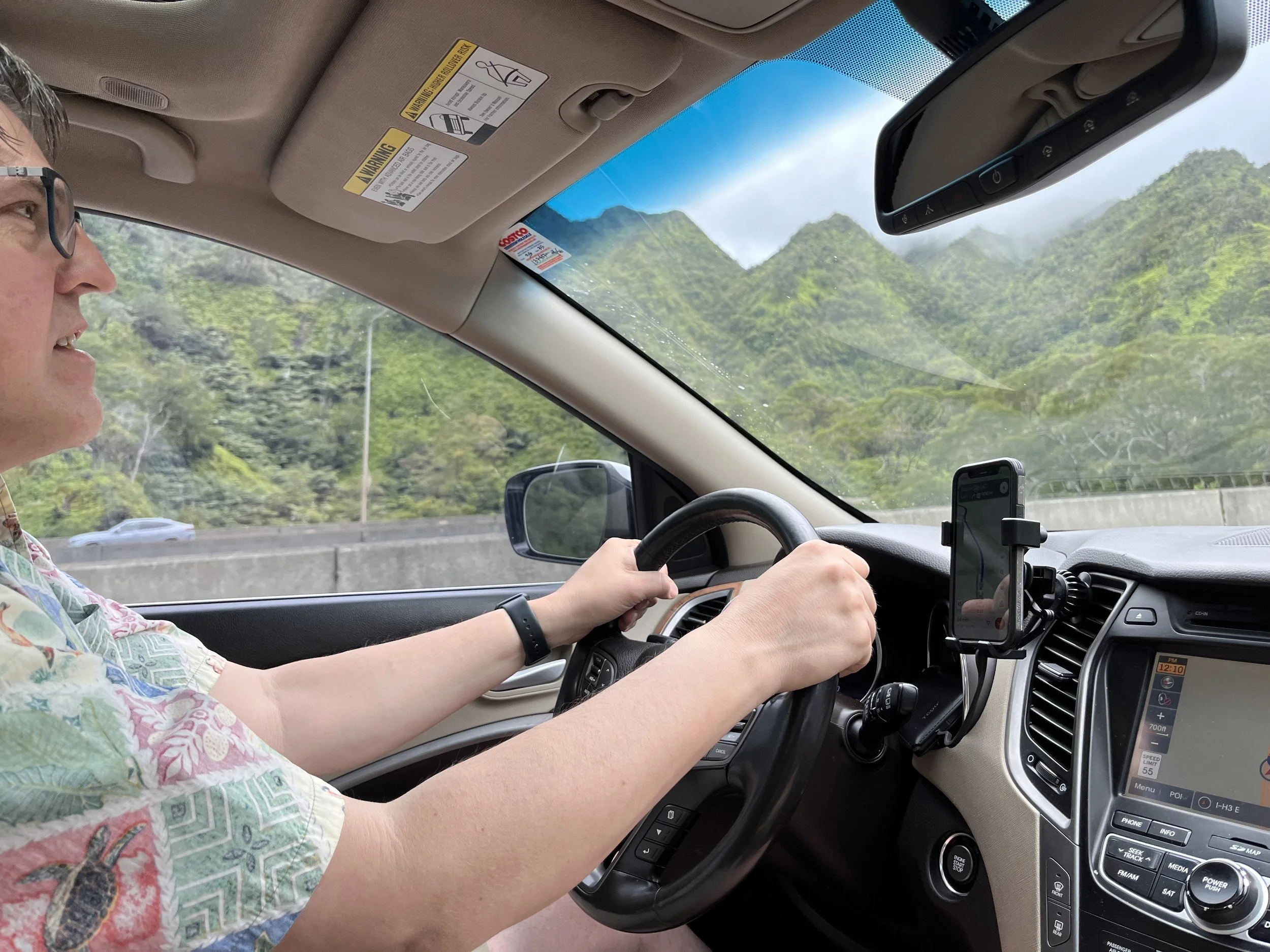
This highway was shaped by environmental protections, where tunnels and viaducts preserve the mountains it passes through.
When we arrived at the ranch, we had time to relax, pat the friendly horses in the corral, and take in the verdant green cliffs behind us.
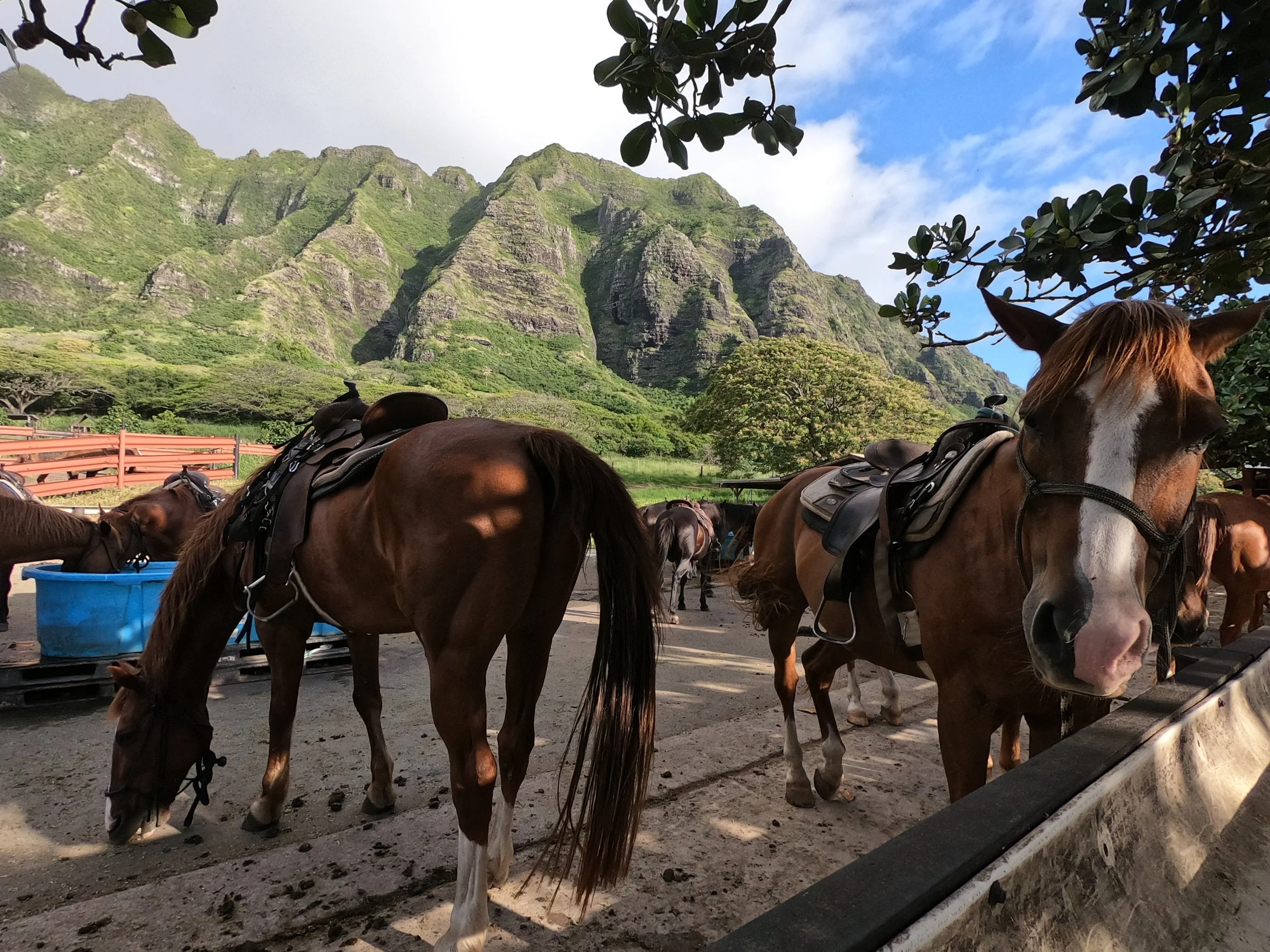
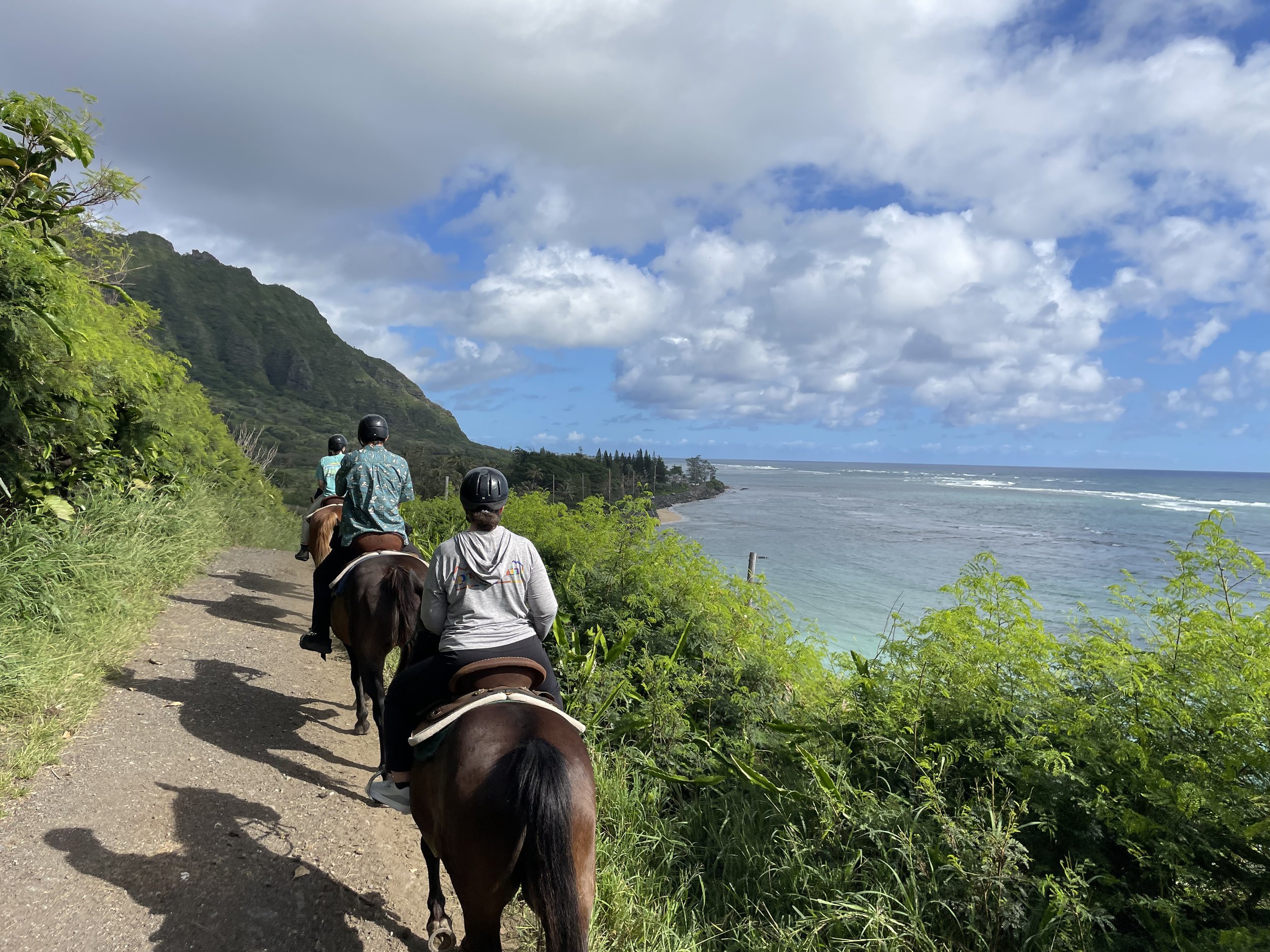
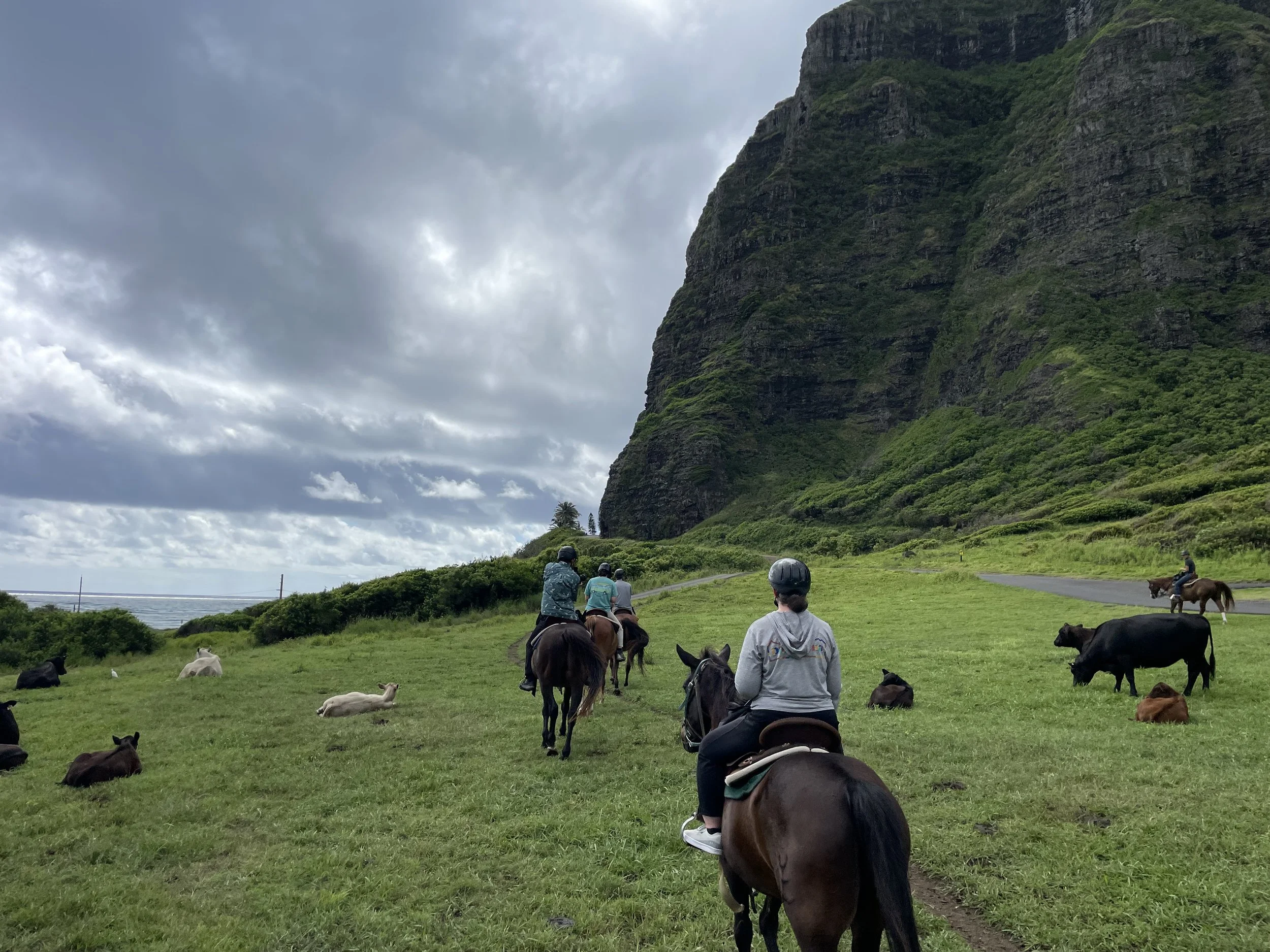
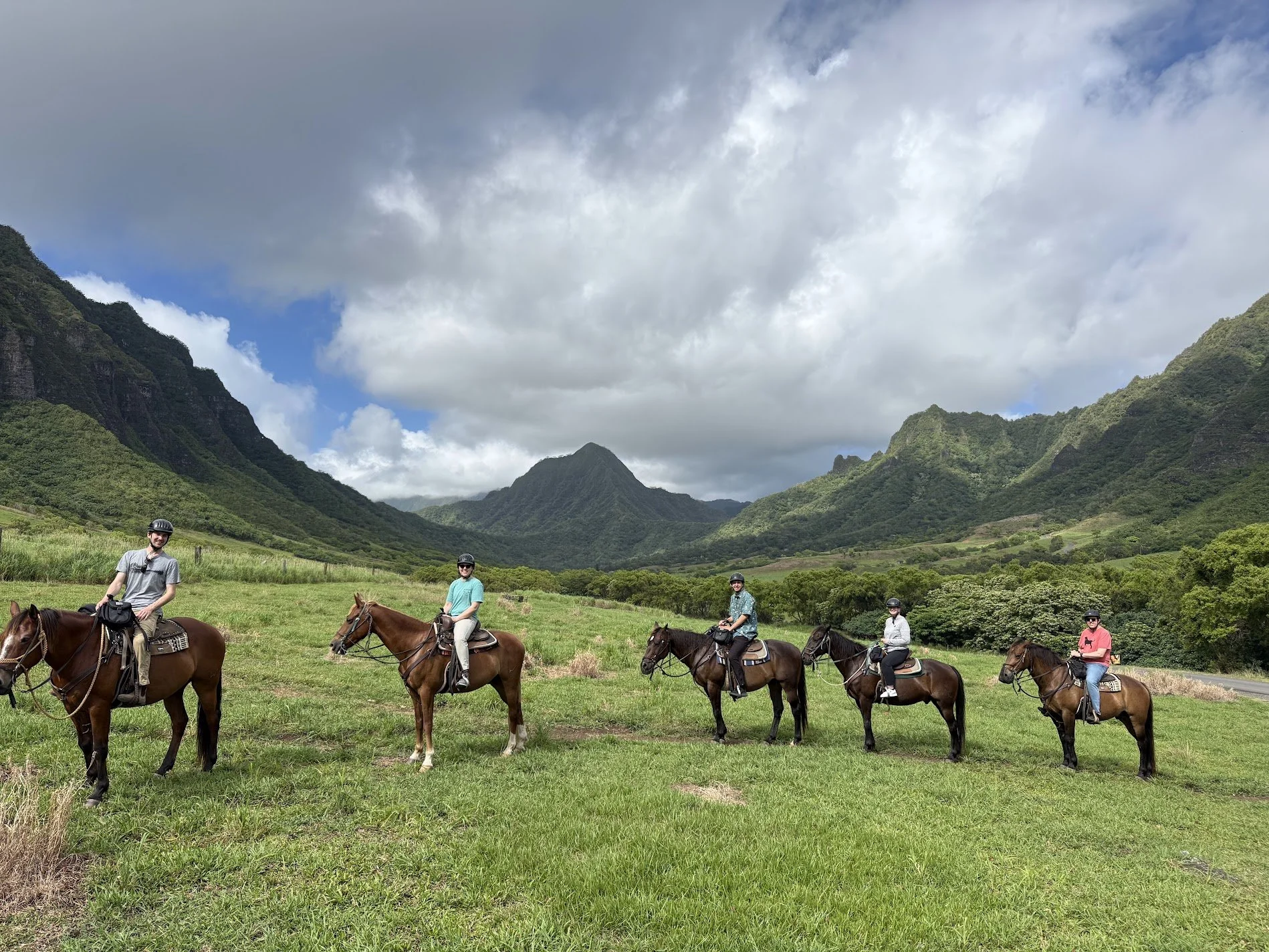
The two-hour ride was perfect for our group. Some had more riding experience than others, but everyone felt comfortable. Our guide was excellent, and thoughtfully arranged the group so that our daughter’s boyfriend often rode at the front, while she rode at the back with two less-experienced riders who weren’t part of our family.
The ride took us through working cattle ranch fields, along stretches of coastal road with brilliant blue water, and through the iconic valley landscape with cliffs rising all around—instantly recognizable from multiple films. Kualoa offers a variety of experiences, including tours focused specifically on filming locations, but we were glad we chose this more relaxed ride. We still saw enough familiar scenery to feel satisfied, and we especially enjoyed the small group and unhurried pace.
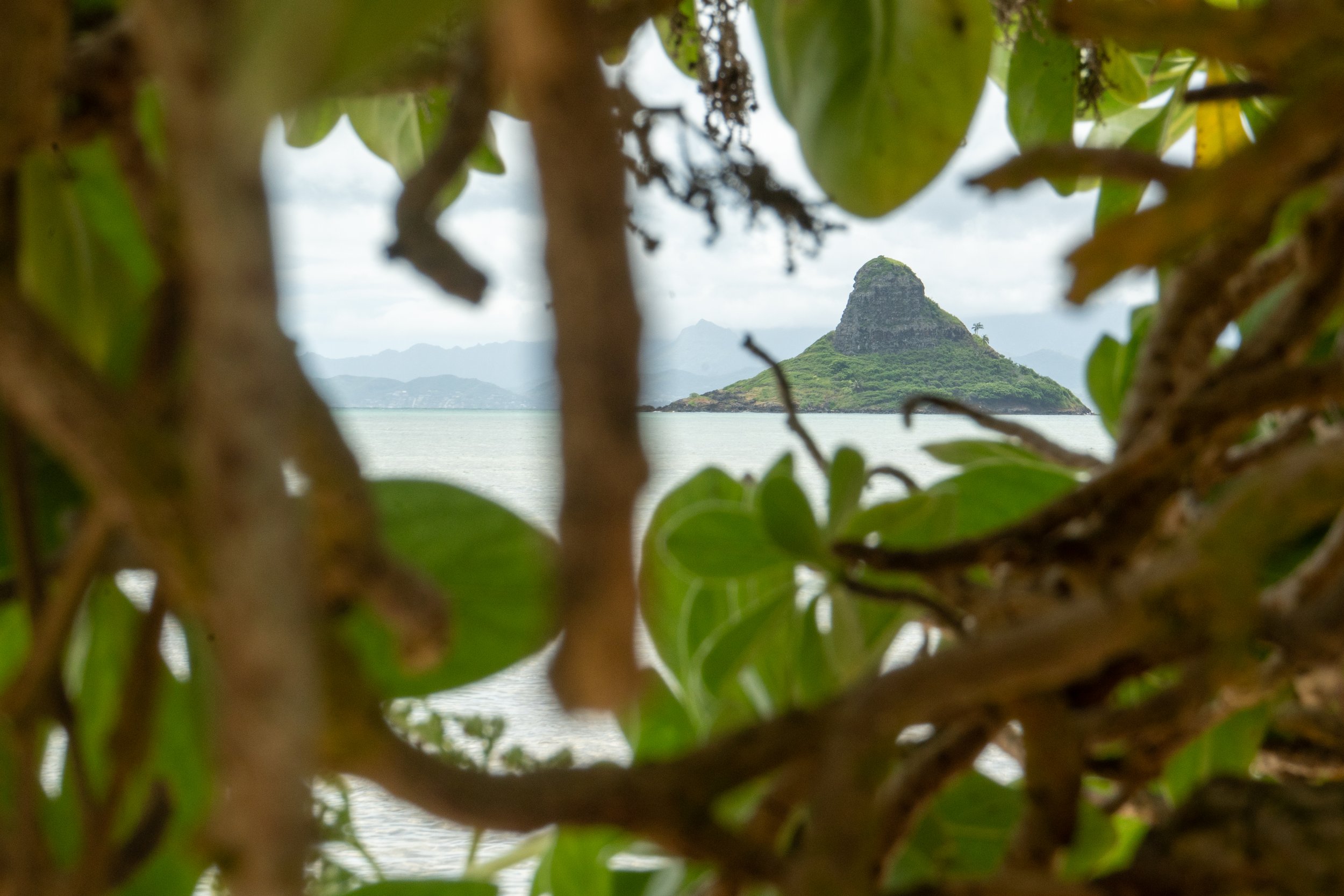
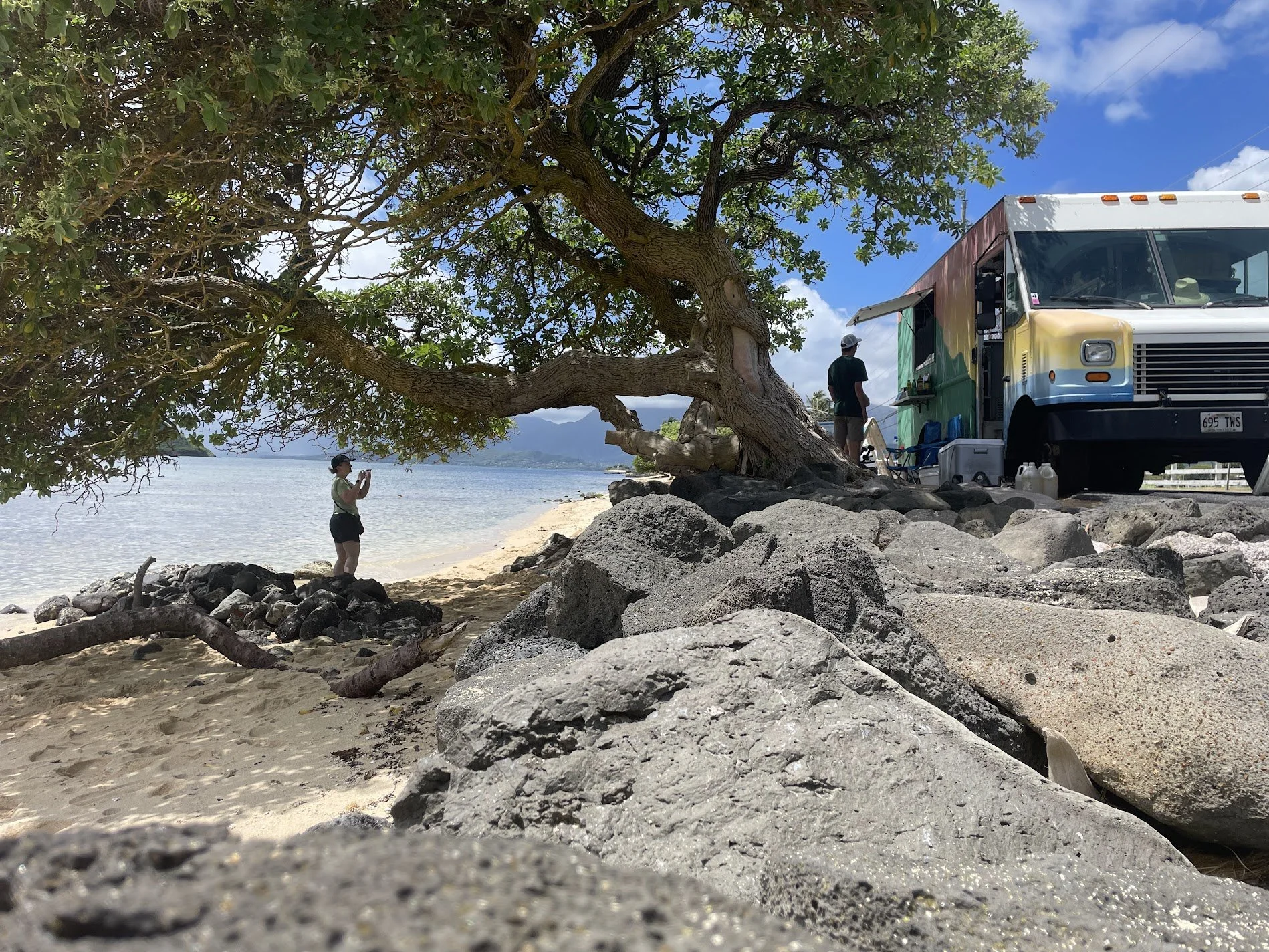
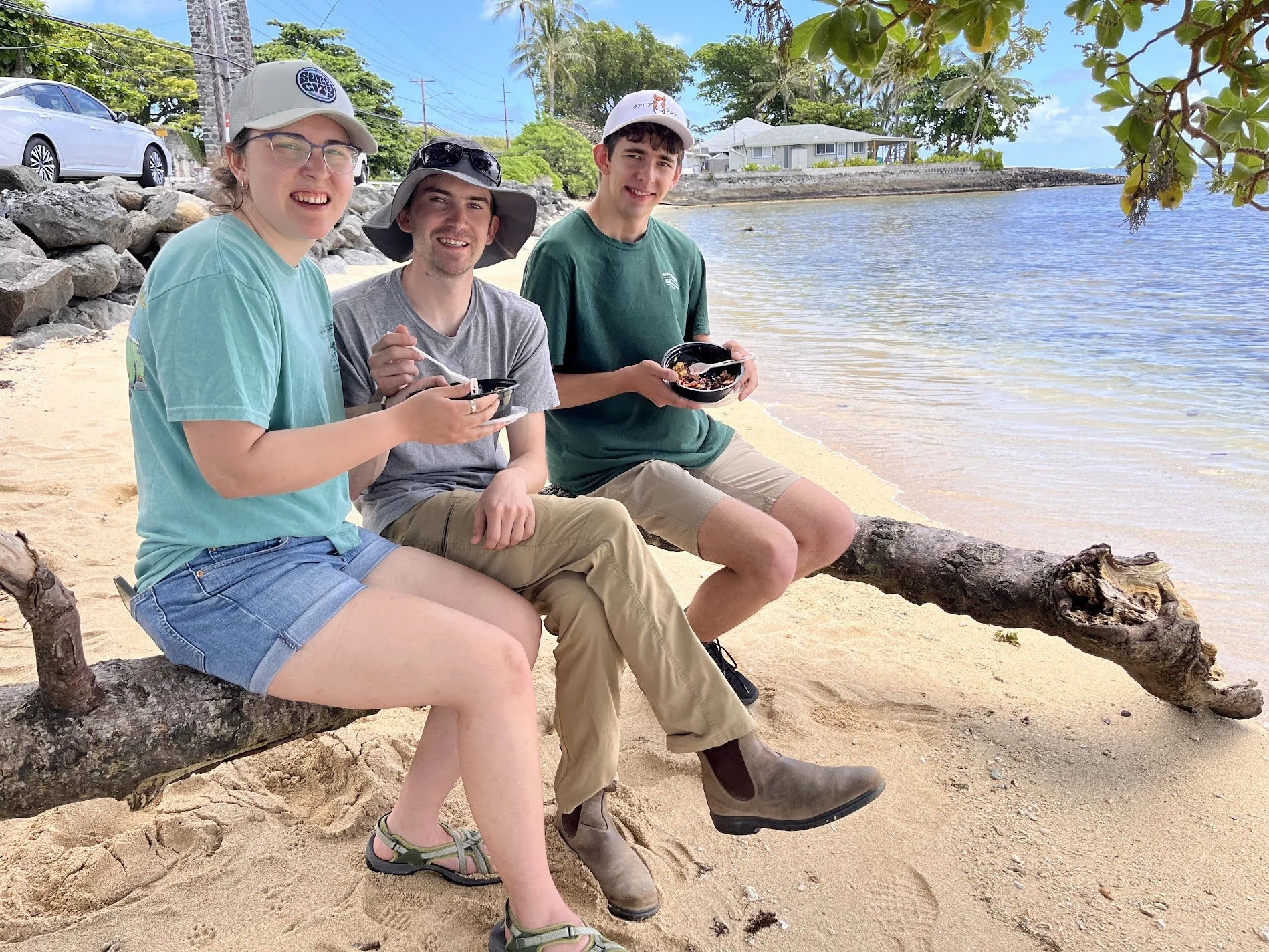
After the ride, we crossed the road to a local food truck and ordered açaí bowls. We ate them under a tree, overlooking the ocean, with Chinaman's Hat (Mokoliʻi Island) rising just offshore. After a morning on horseback, it was a perfect place to linger for a few minutes and take in the view before continuing toward the North Shore.
The North Shore: Two Days of Surfing, Snorkelling, and Shoulder Season Calm
Although we had originally planned to spend a single full day on the North Shore, it quickly became clear that there was too much we wanted to see and do to fit it all into one visit. Instead, we ended up spending time there on two separate days—something that felt far more relaxed and allowed us to experience it without rushing. It also meant we got to enjoy Matsumoto’s Shave Ice in Haleiwa twice, which no one complained about.
Our first visit after our morning at Kualoa Ranch focused on exploring the coastline around Haleiwa and the quieter beaches beyond it. We first stopped at Kawela Bay, used as the tropical saltwater setting for the arena in The Hunger Games: Catching Fire.
Instead of the cinematic tension of the film, we found a peaceful shoreline where a couple sat comfortably beneath an umbrella near Turtle Bay Resort, completely at ease in the stillness of the afternoon.
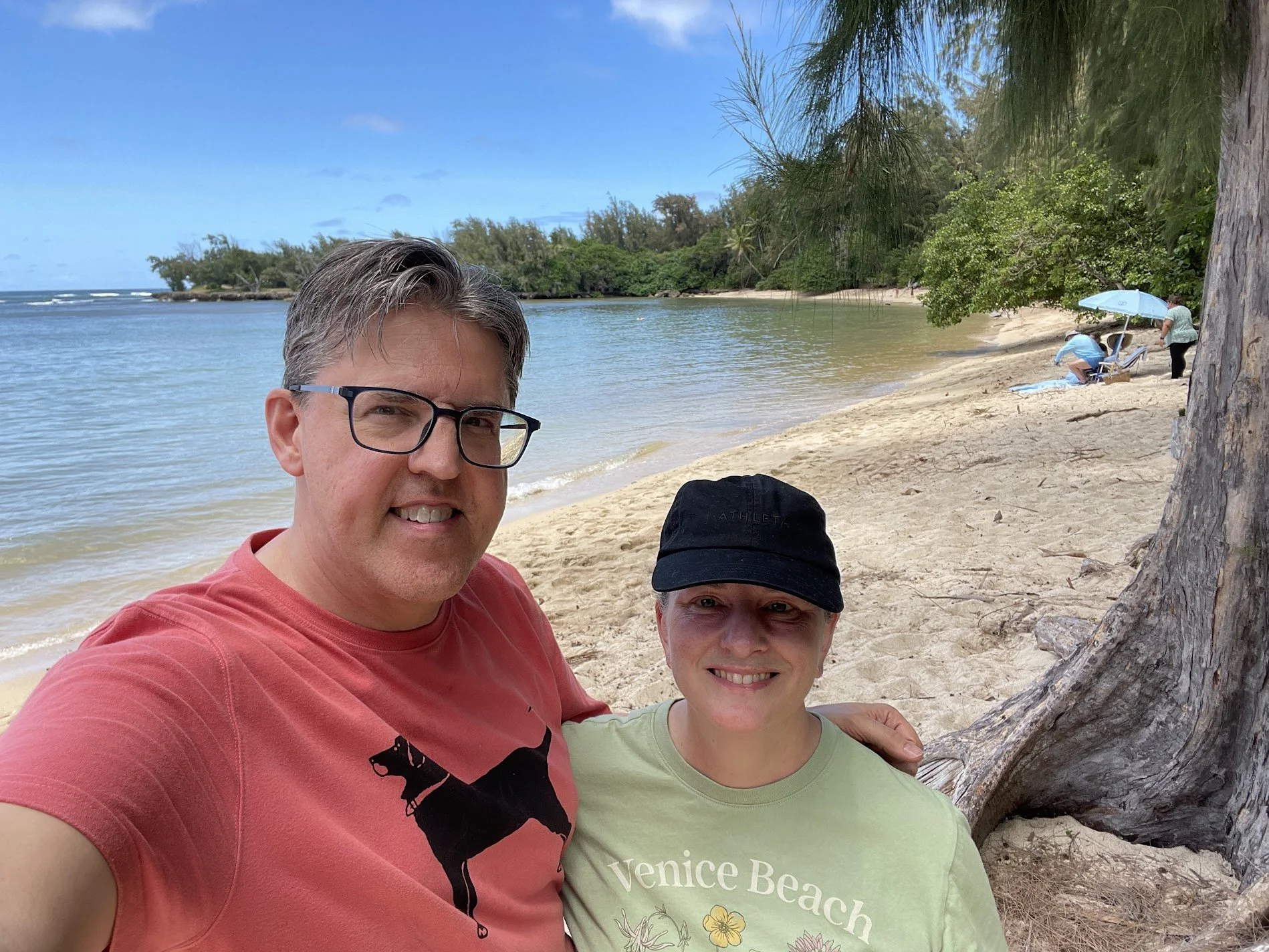
Filmmakers chose this secluded, crescent-shaped bay because it resembled the arena described in book.
From there, we continued to Papaʻiloa Beach, where my husband and I set out to find the filming location for the survivors beach camp from Lost.
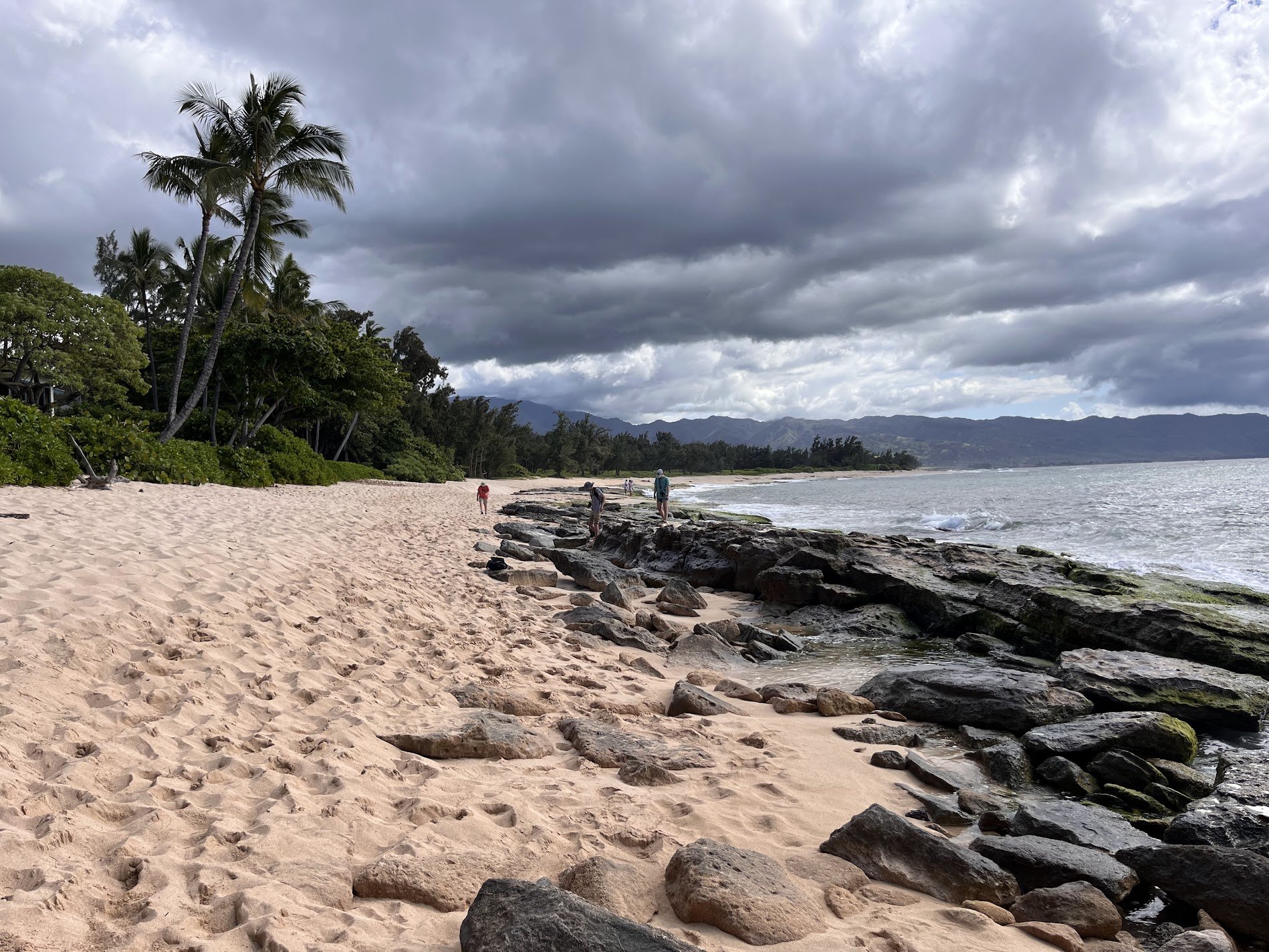
The Lost survivors’ filming site can be seen in the background beyond the rocks.
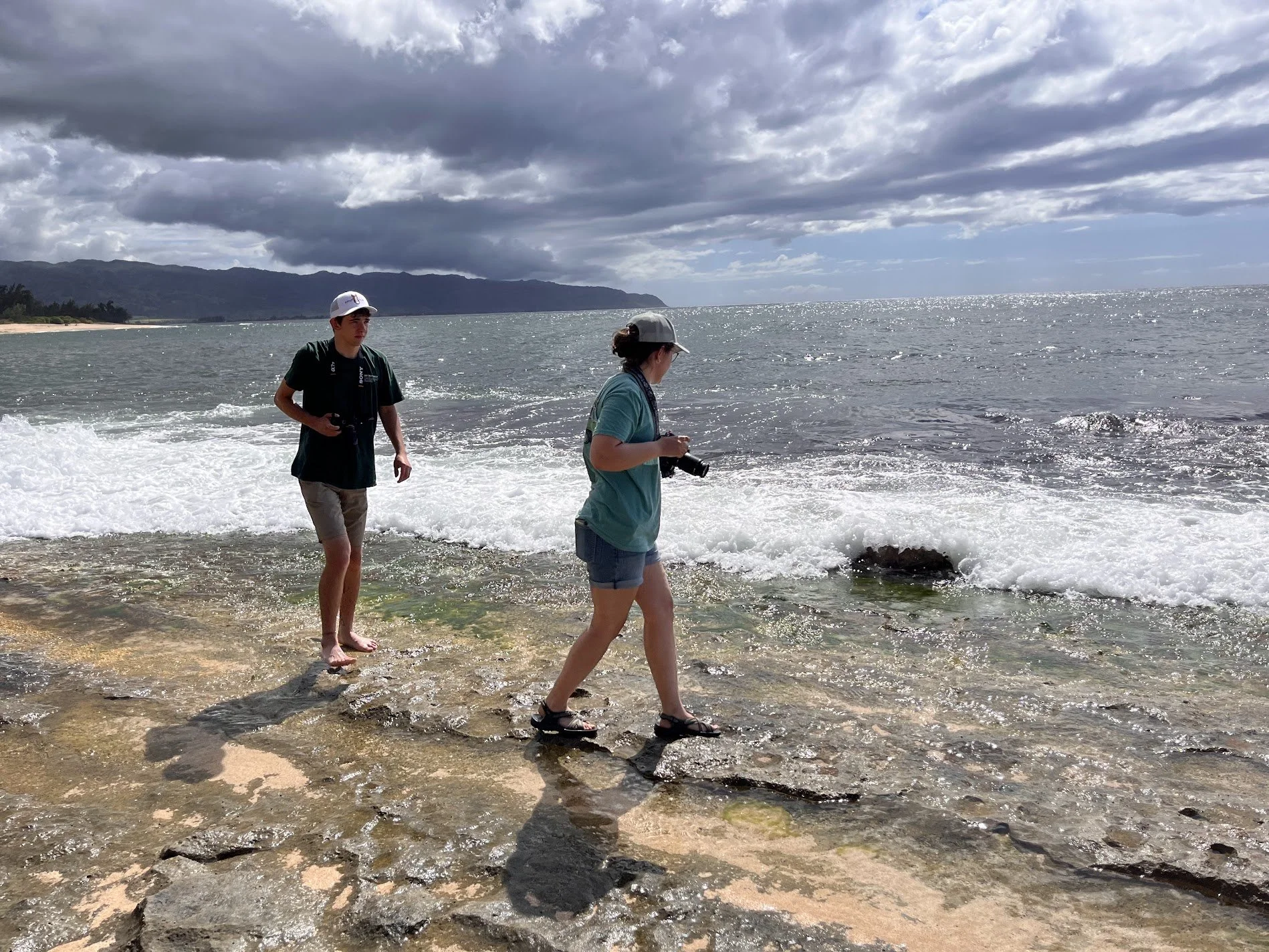
While it was satisfying to recognize the familiar stretch of coastline, the unexpected highlight was the number of honu—Hawaiian green sea turtles—we encountered along the shore. In the warmth of the sun, the tide brought them closer and closer to the shallow rocks, where they fed on algae just offshore. The young adults in our group, equipped with good cameras and lenses, were able to capture some beautiful photos of them in their natural environment.
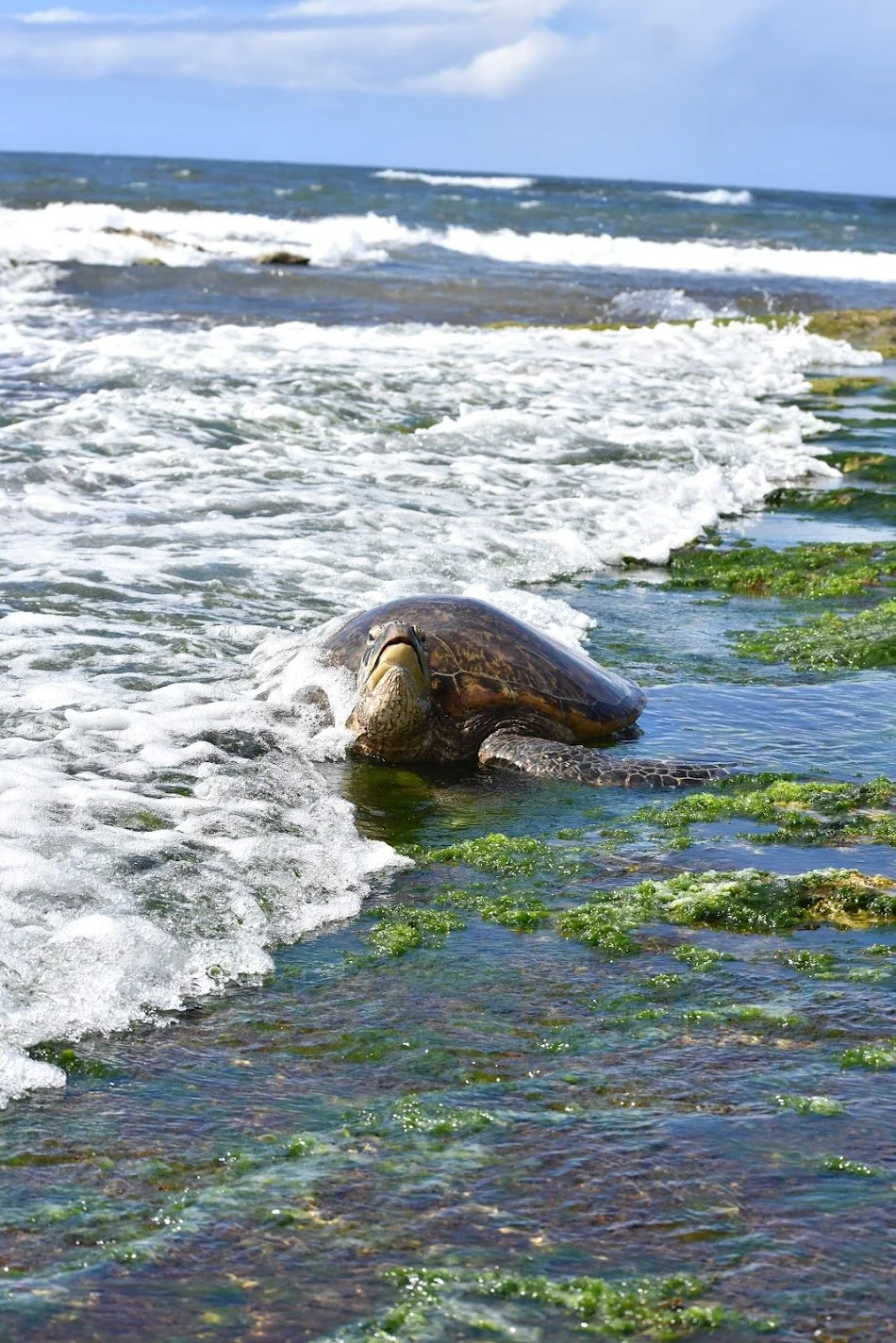
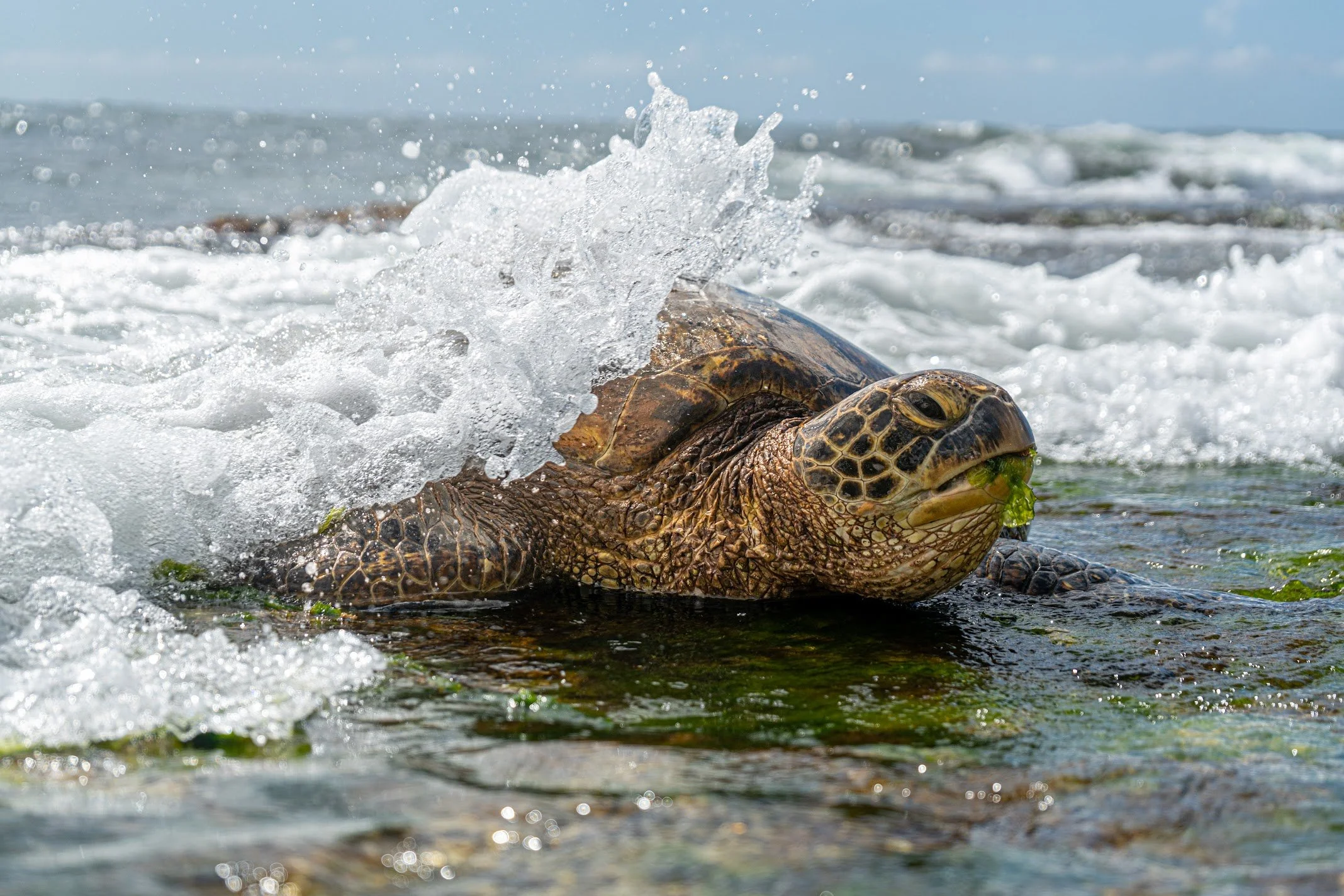
The algae is visible in the turtle’s mouth here.
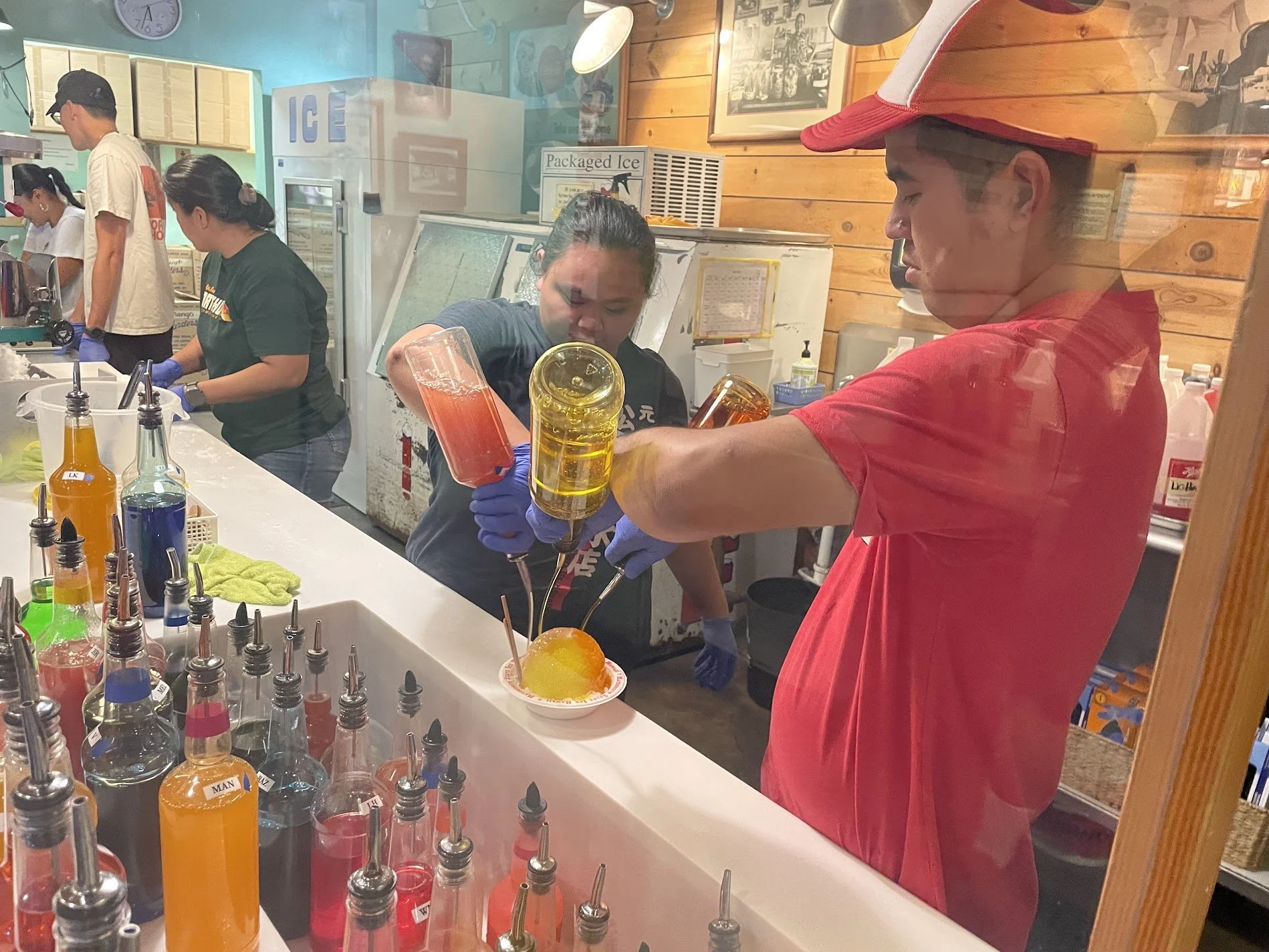
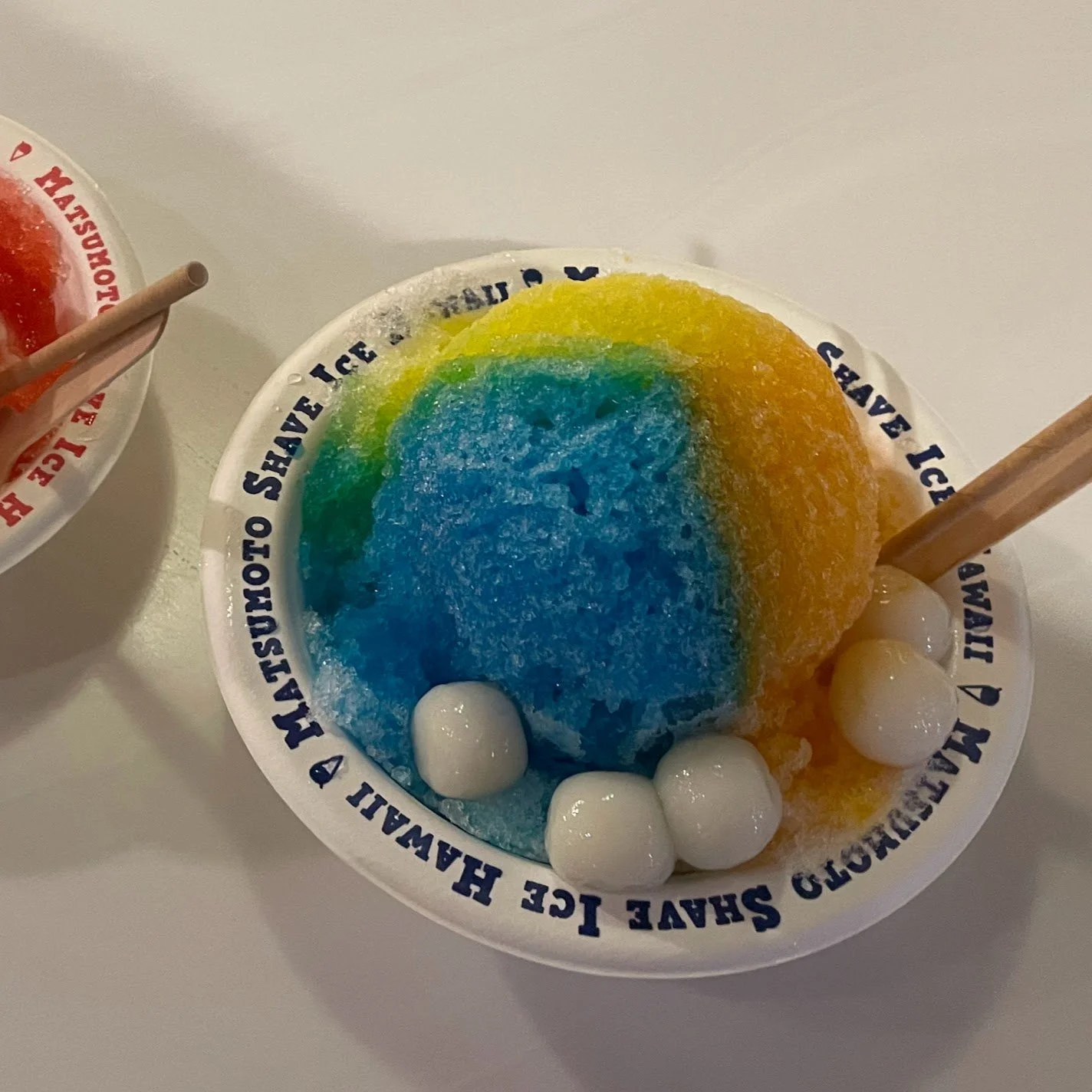
By the time we reached Haleiwa, we were ready for something sweet, so we stopped at Matsumoto’s Shave Ice. We had already tried shave ice in Waikiki earlier in the trip, but this felt like a different experience entirely. The line wound through the shop, giving us time to study the menu and debate flavour combinations, toppings, and additions like ice cream, mochi, or sweetened condensed milk. After placing our orders, we watched the ice being shaved and the syrups poured with practiced flair before sitting together in the shaded courtyard to enjoy them.
On another day, we returned to the North Shore with a plan to try out snorkelling and surfing. We started at Shark’s Cove, where shallow tide pools formed among lava rock made it easy to spot schools of fish and other marine life, even without snorkelling gear. It was an idyllic place to explore, though some in our group were already thinking ahead to a more open-water snorkelling experience later in the week.
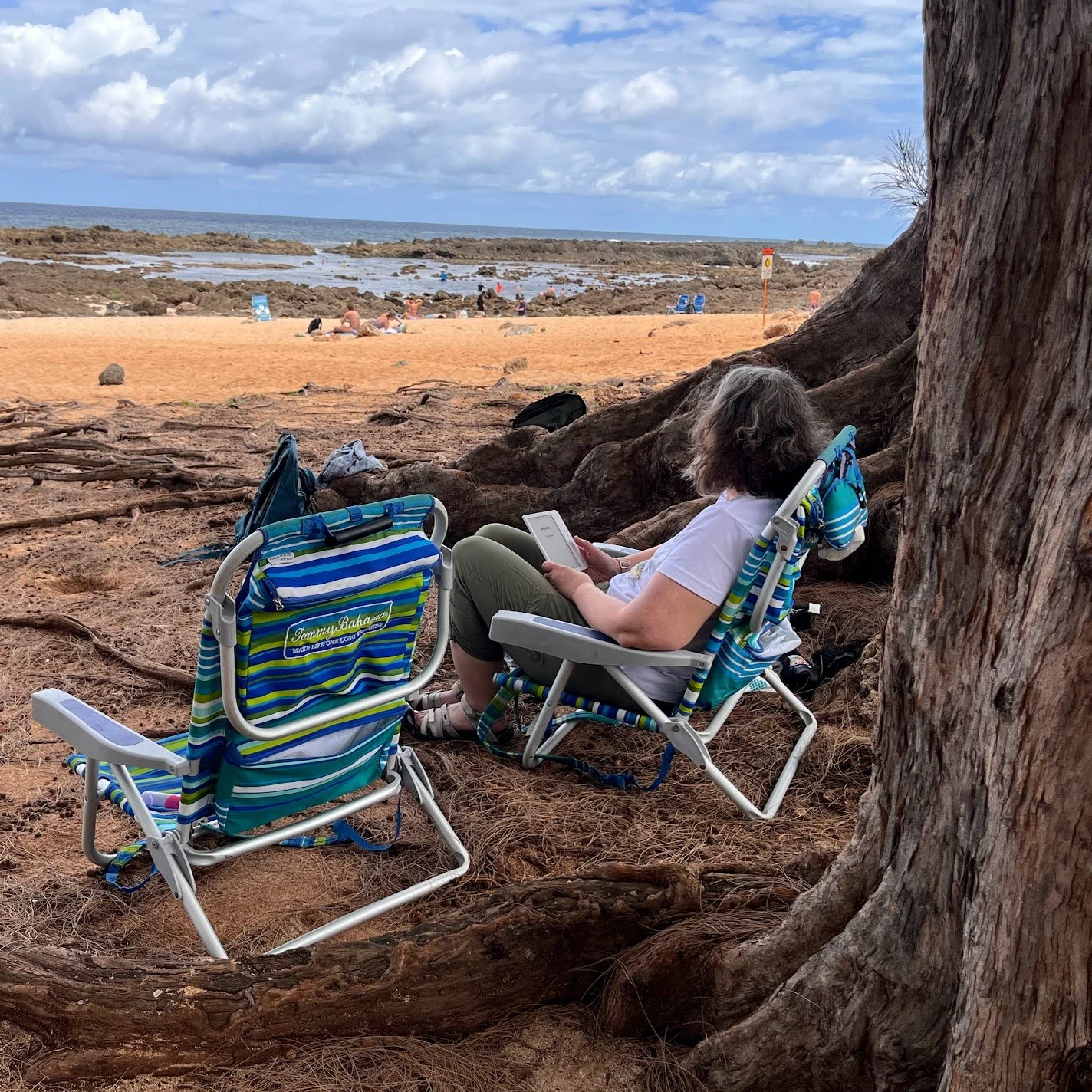
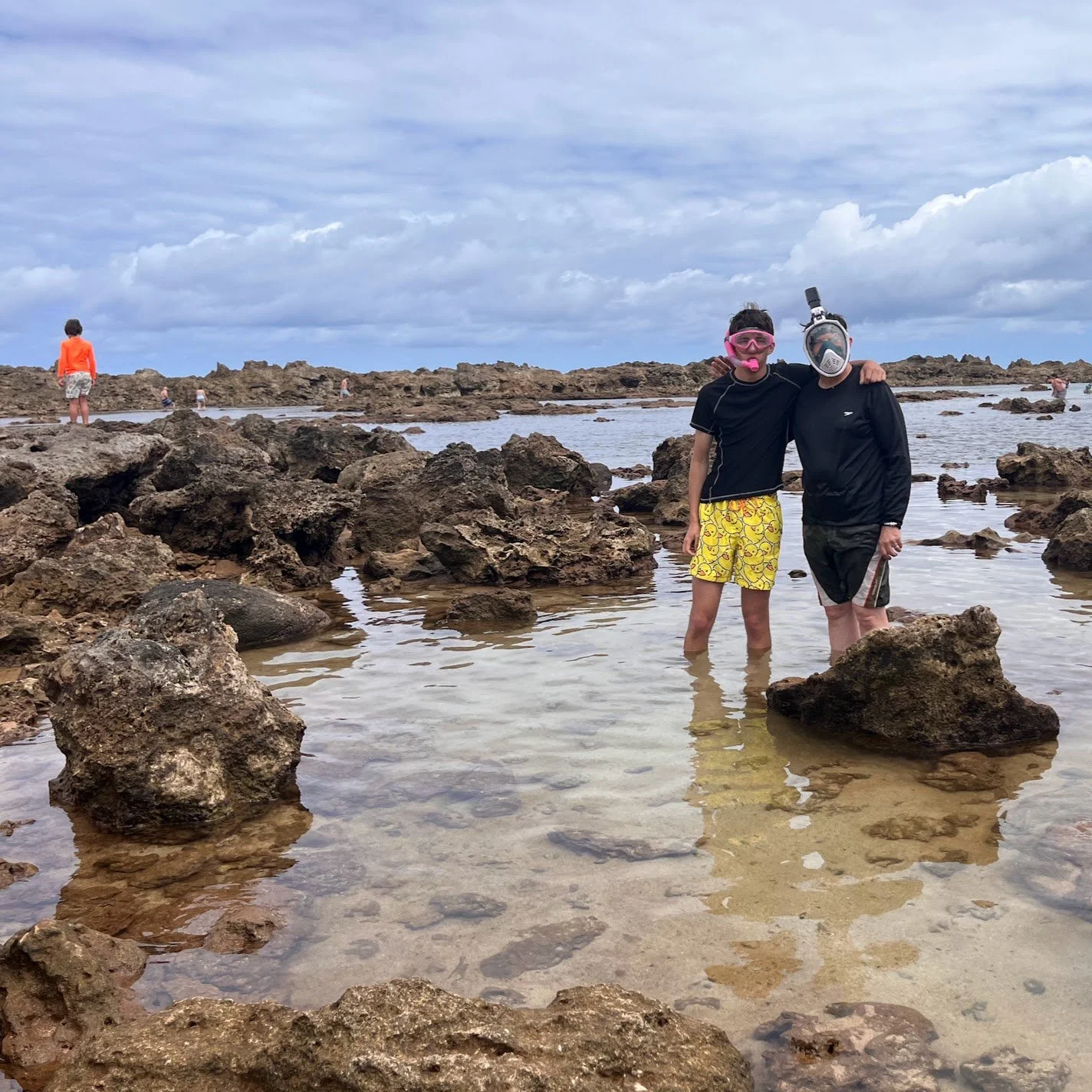
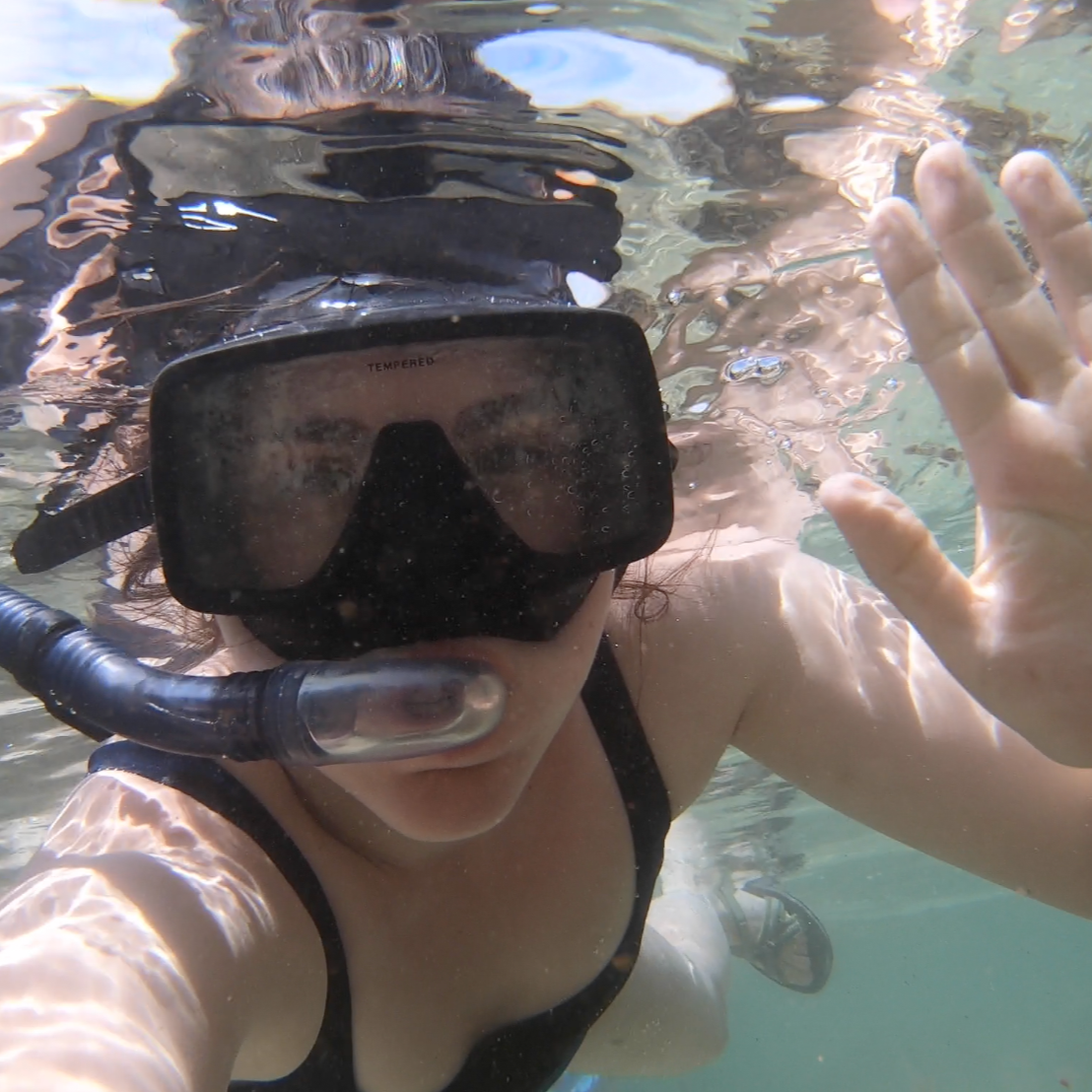
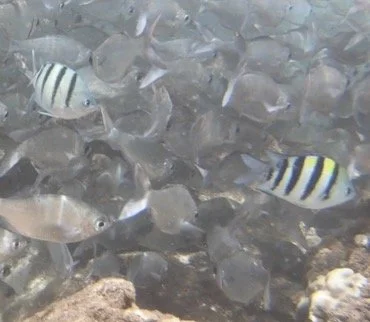
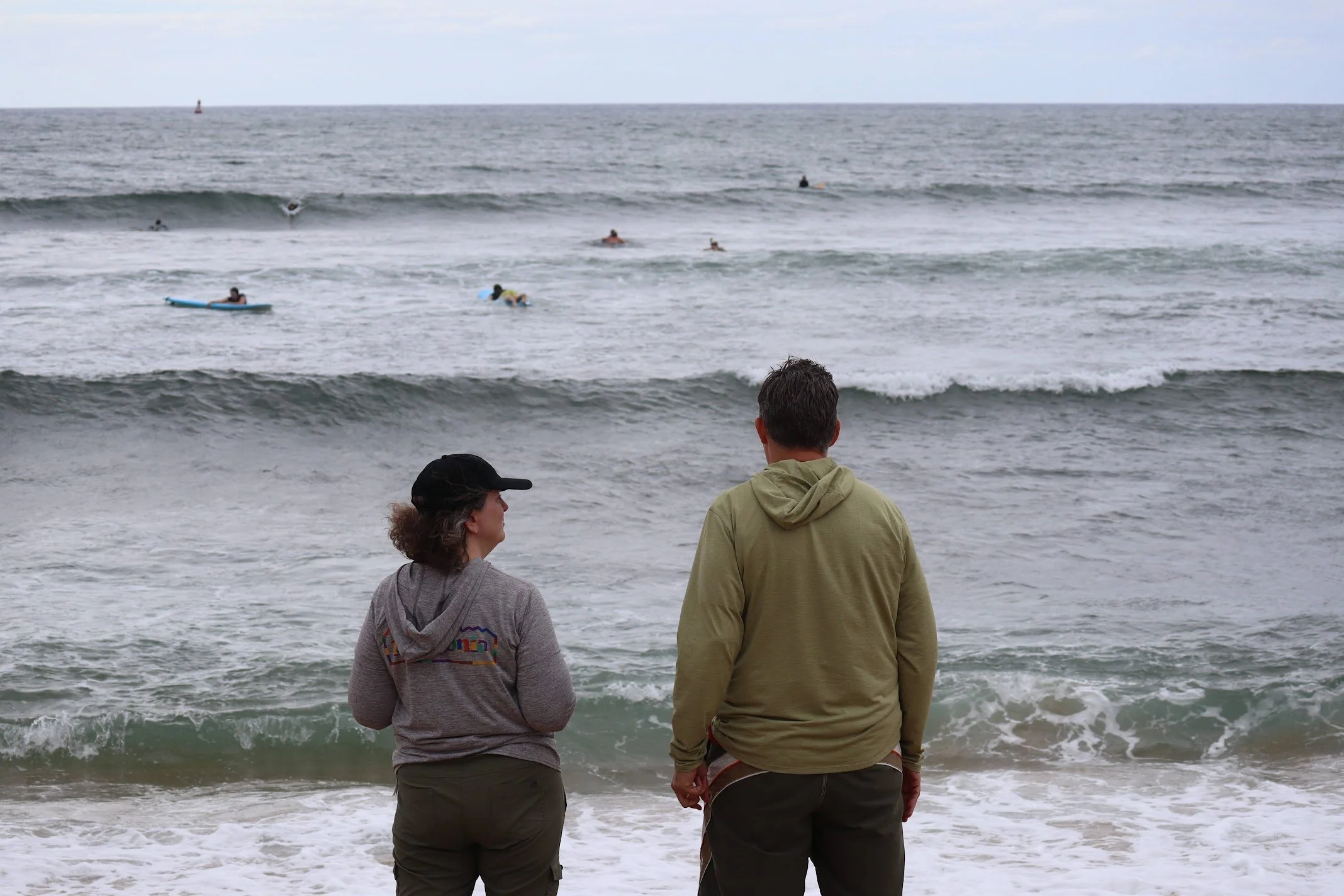
From there, we continued along the coast to Ali’i Beach Park to watch the three young adults go surfing with rented boards. Despite growing up far from the ocean, our daughter had always been drawn to surfing, and this was something she had been especially looking forward to in Hawaii. The waves were more challenging than anything they had attempted before, and getting beyond the break required persistence. There were moments of frustration and moments of breakthrough, and by the end they had all managed to catch waves and return to shore exhilarated.
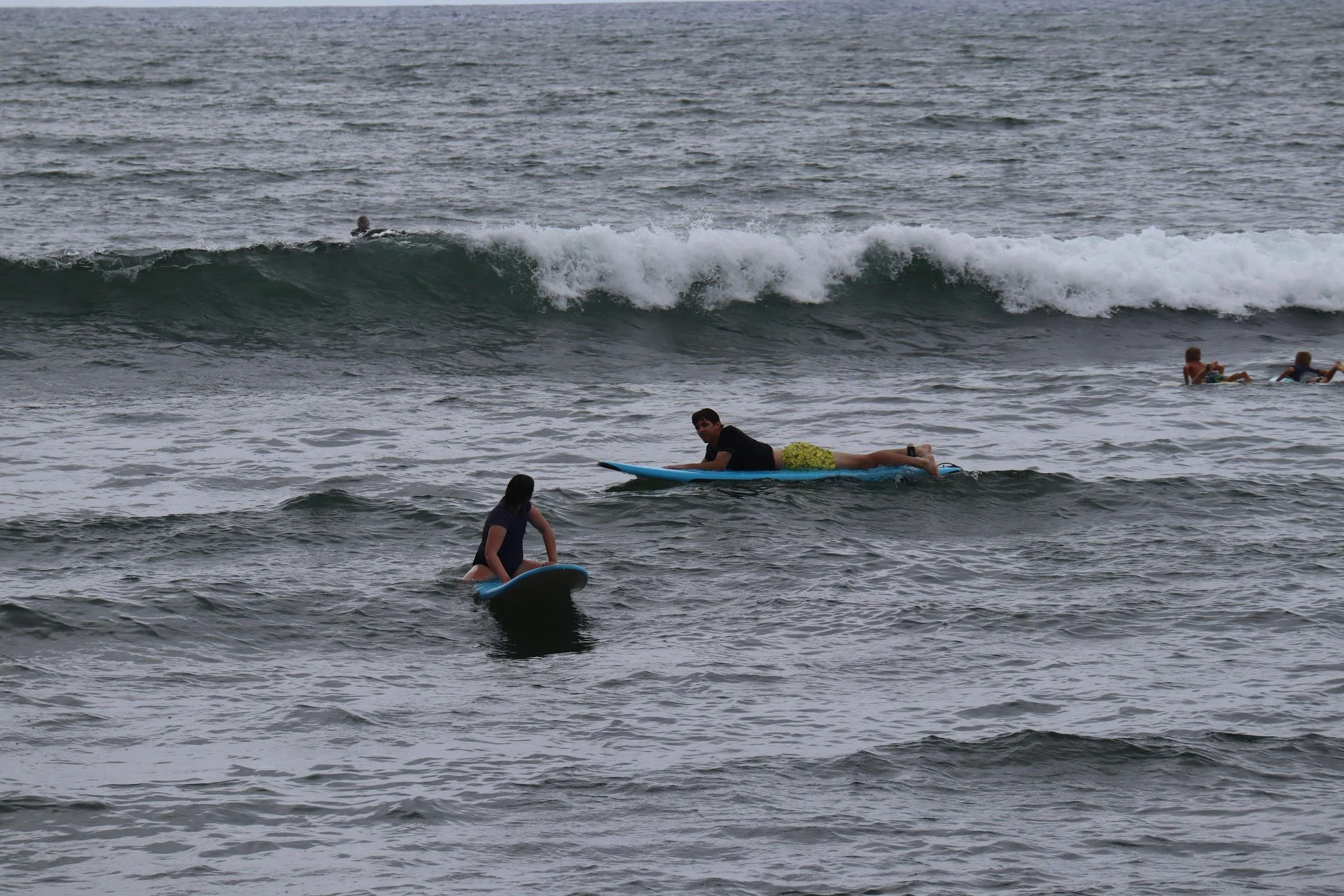
My son helping his sister spot the right wave to catch.
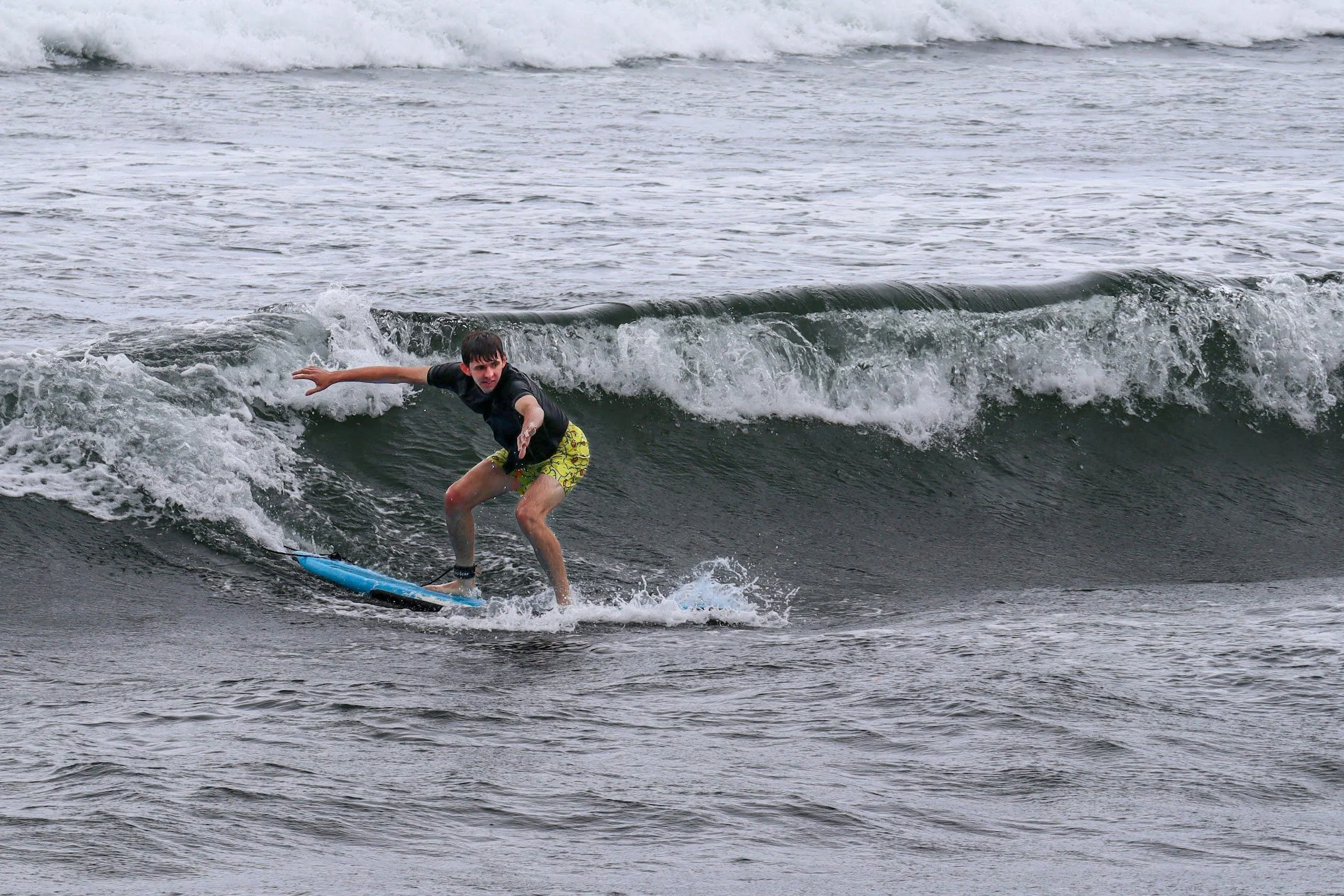
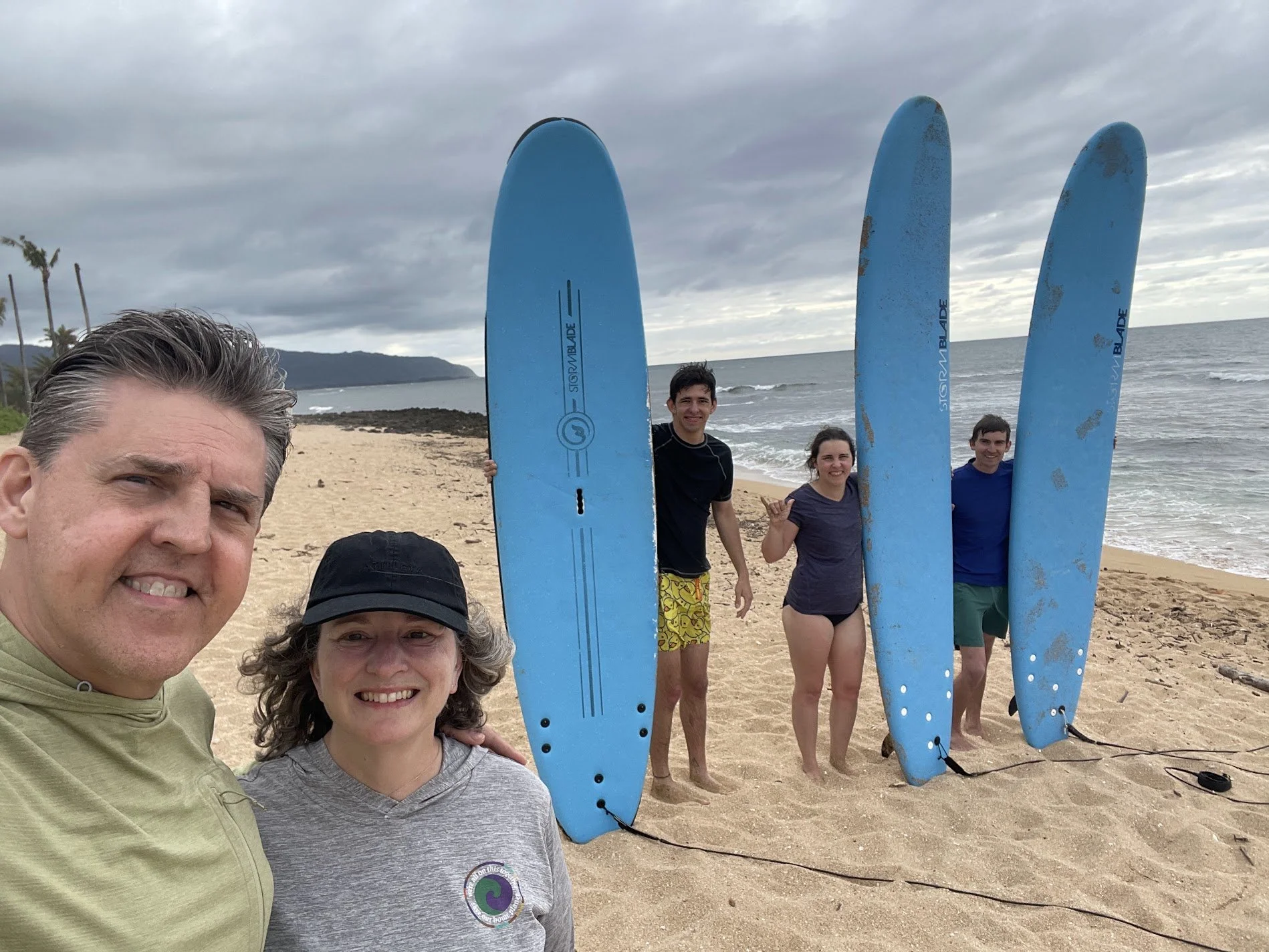
Mission accomplished—all three got up on their boards
From the beach, we also watched local families already completely at ease in the water. Even the littlest children were comfortable being buffeted by the waves at the shoreline, while older kids paddled out on surfboards with an easy confidence that came from growing up with the ocean.
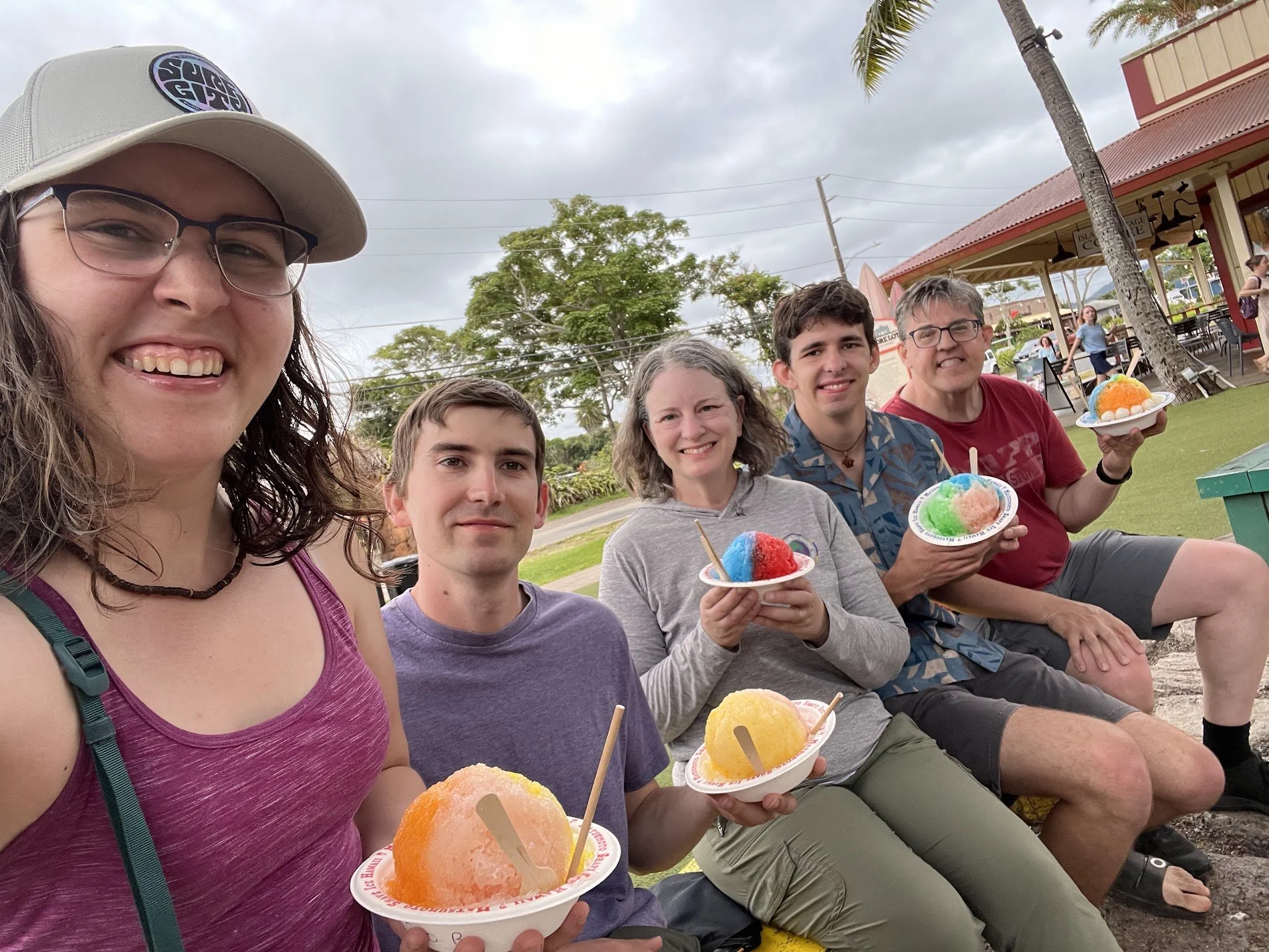
Afterwards, we returned to Matsumoto’s. It felt familiar by now—the same line, the same anticipation, the same colourful choices—but somehow even better on a second visit. We carried our bowls out to the courtyard and sat watching all the activity around us.
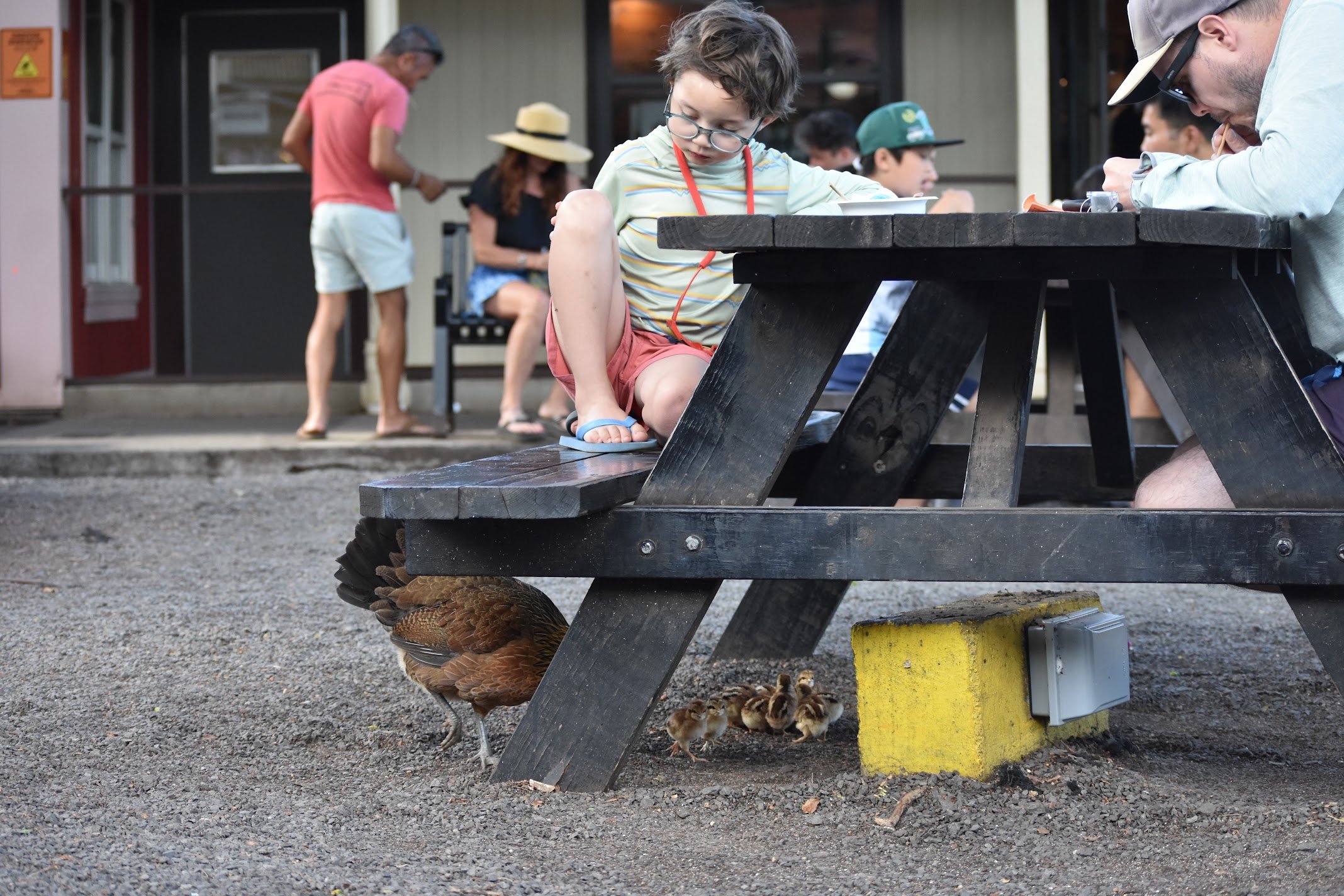
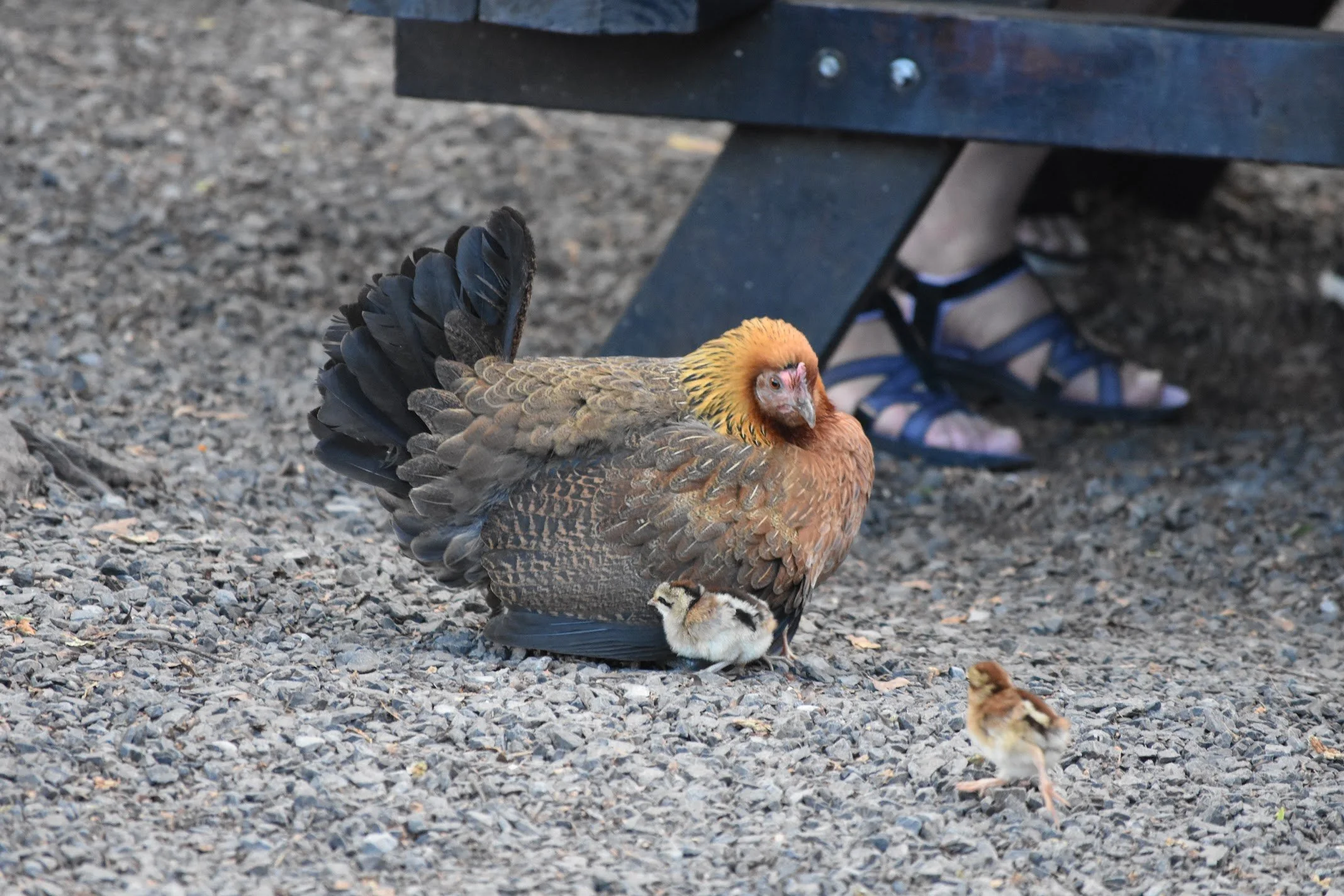
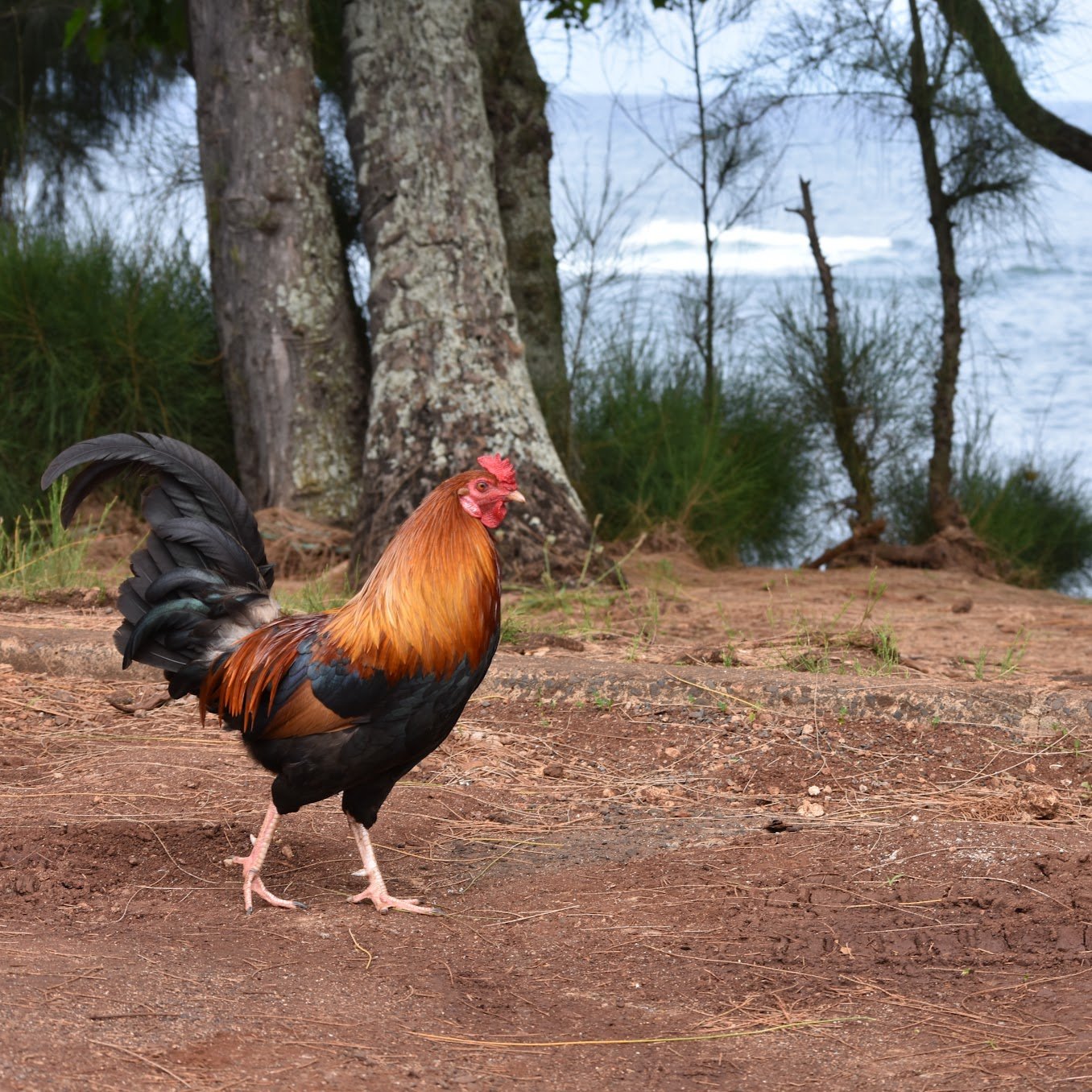
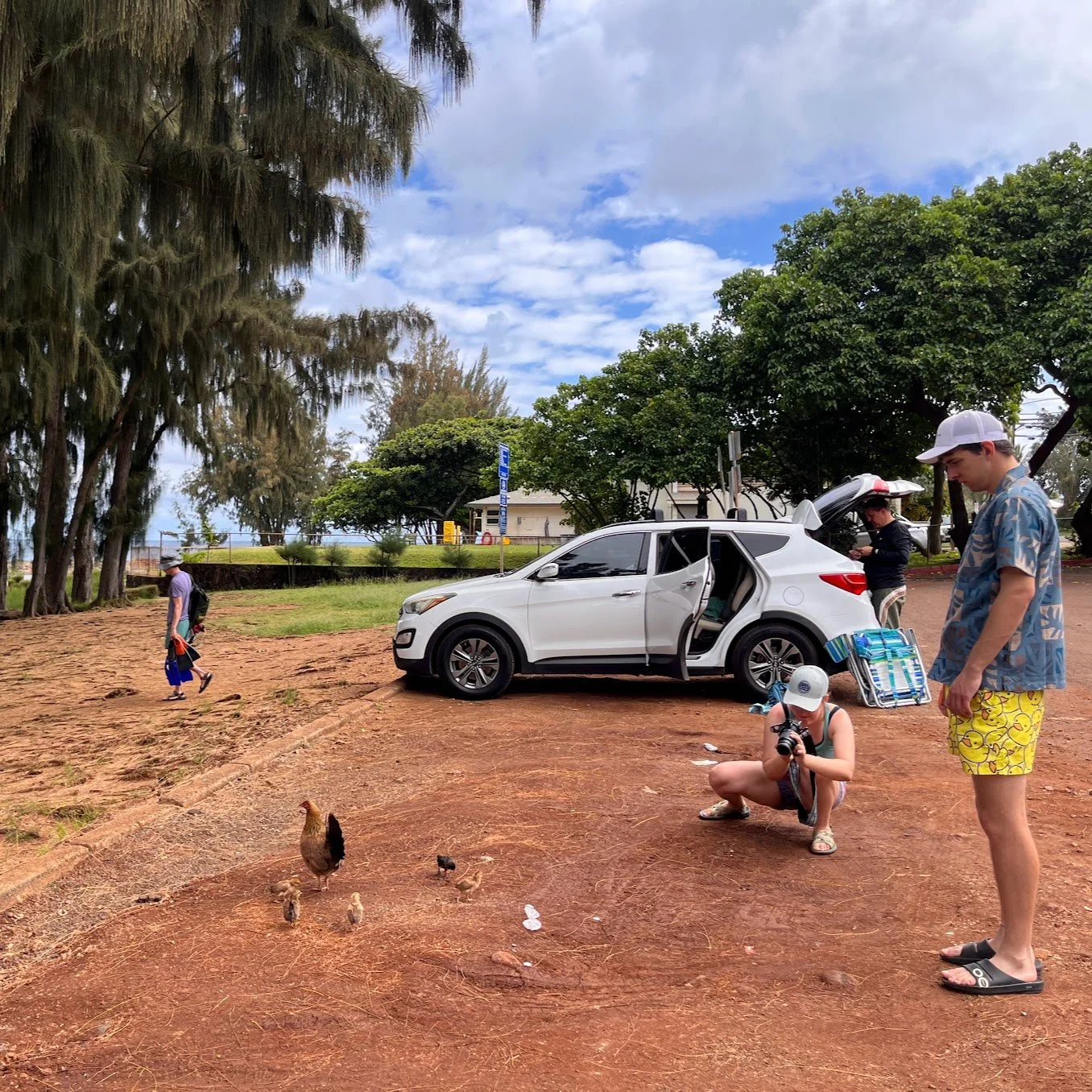
At one of the picnic tables nearby, a mother hen sat sheltering a brood of chicks beneath her wings, completely unfazed by the movement of families around her. It was a small but striking moment, one that seemed to belong entirely to the rhythm of the place. This was only one of many chicken sightings on the island—chickens and roosters were everywhere, from the gas stations and streets in the heart of the city to the parking lots and beaches of the North Shore.
Before leaving the North Shore for the final time, I bought a locally designed Matsumoto T-shirt featuring shave ice, surfing, and sea turtles. It felt like a perfect souvenir—something that would bring the special memories of those two days back to mind long after we had returned home.
Seeing Oahu Through Local Eyes
One of the greatest gifts of this trip was spending time with my husband's cousin and his family, who live on Oahu. Throughout the week, they introduced us to places and experiences we might never have discovered on our own—from Rainbow Drive-In where we had our first Hawaiian “plate lunch” to a beach on the windward side of the island where I tried boogie boarding for the first time.
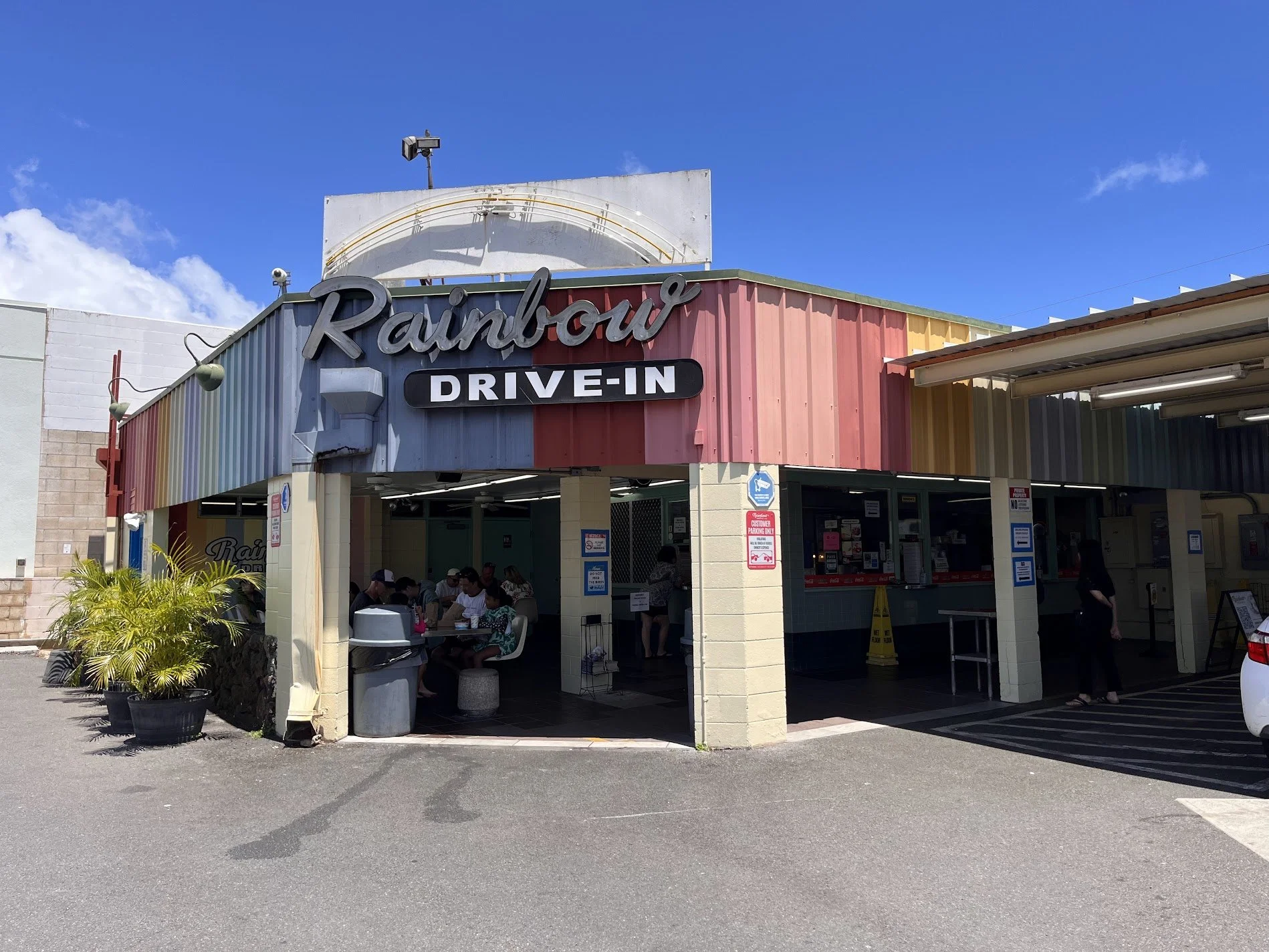
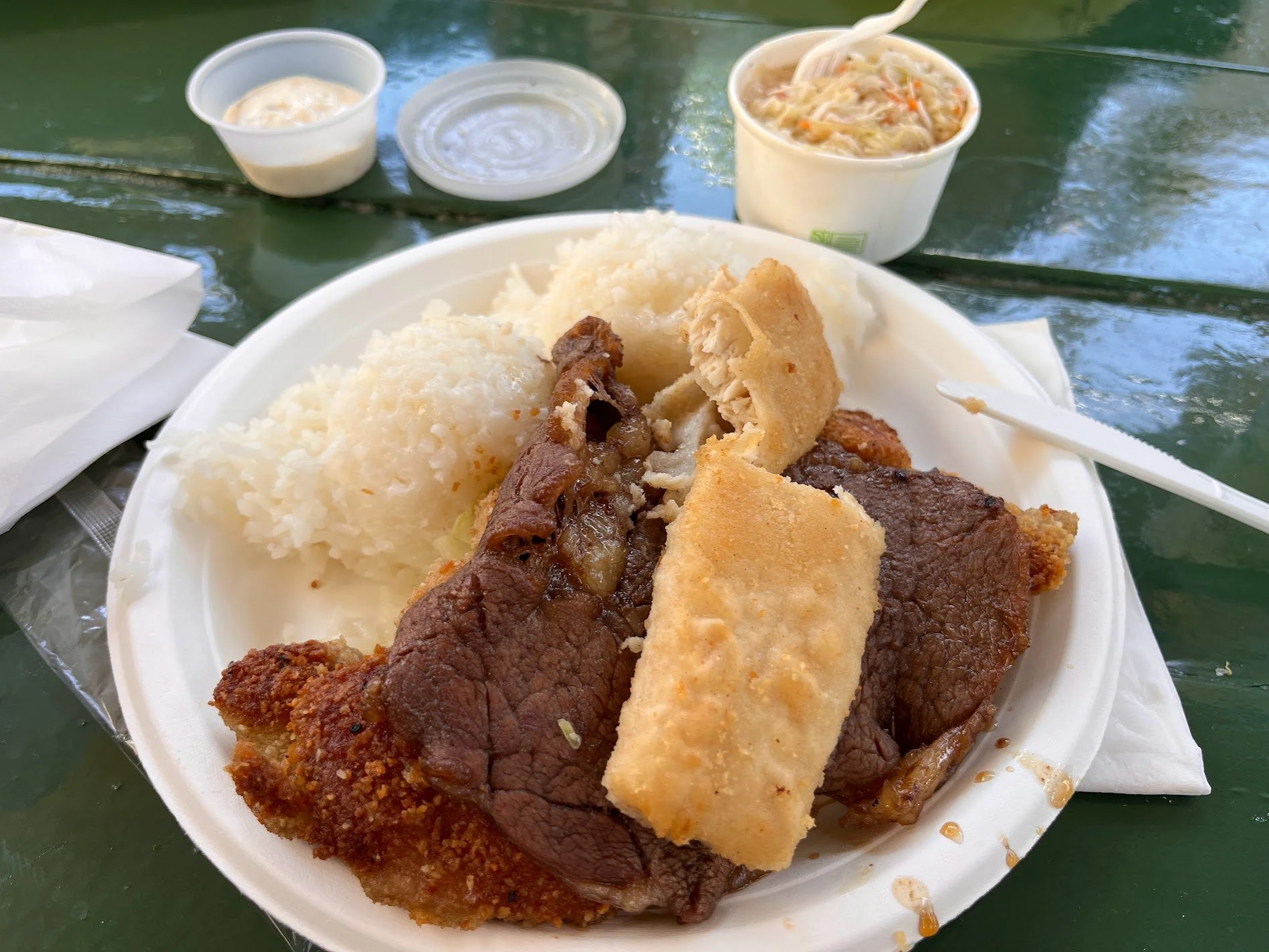
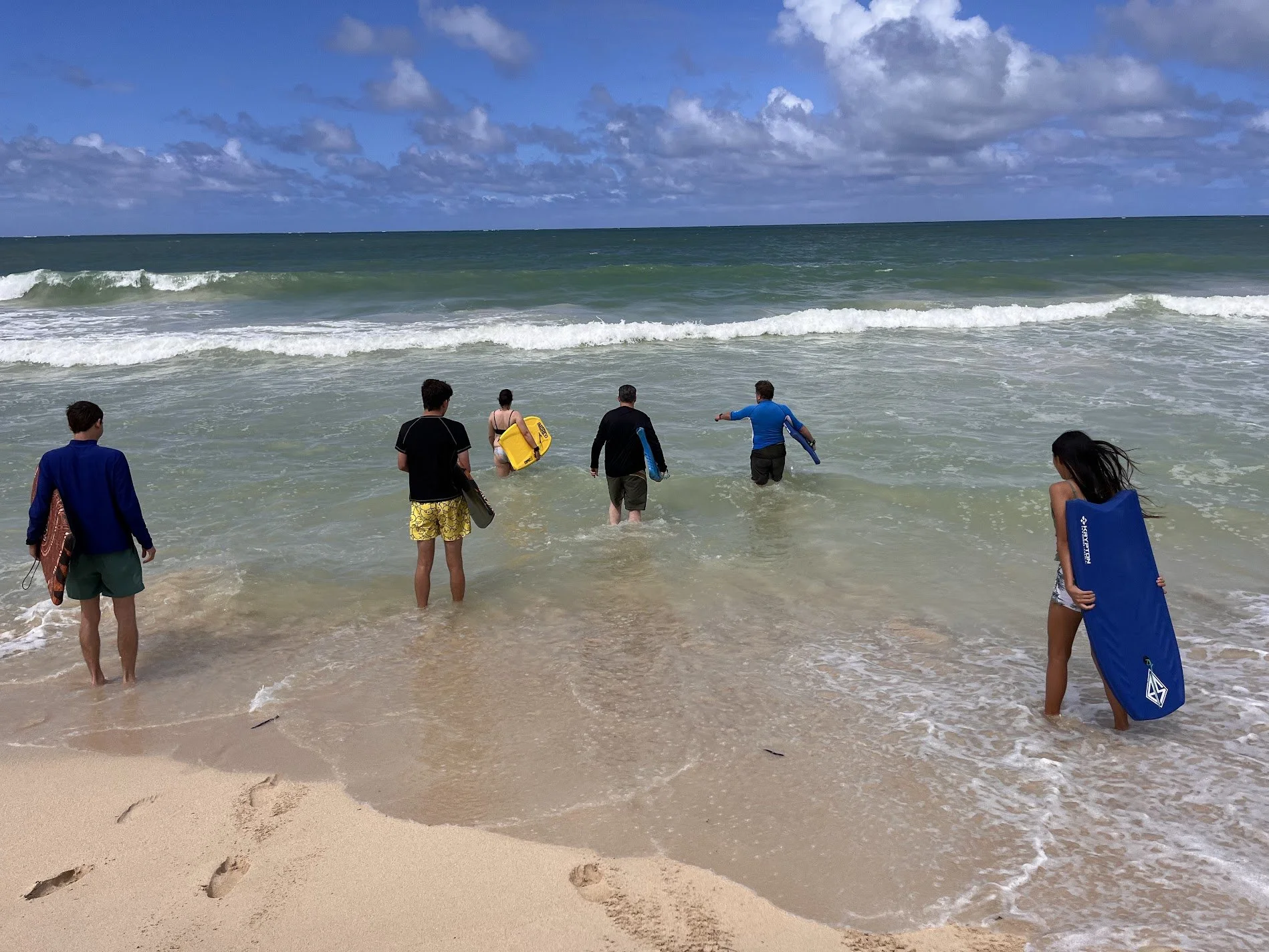
My husband’s cousin had extra boogie boards for us to use.
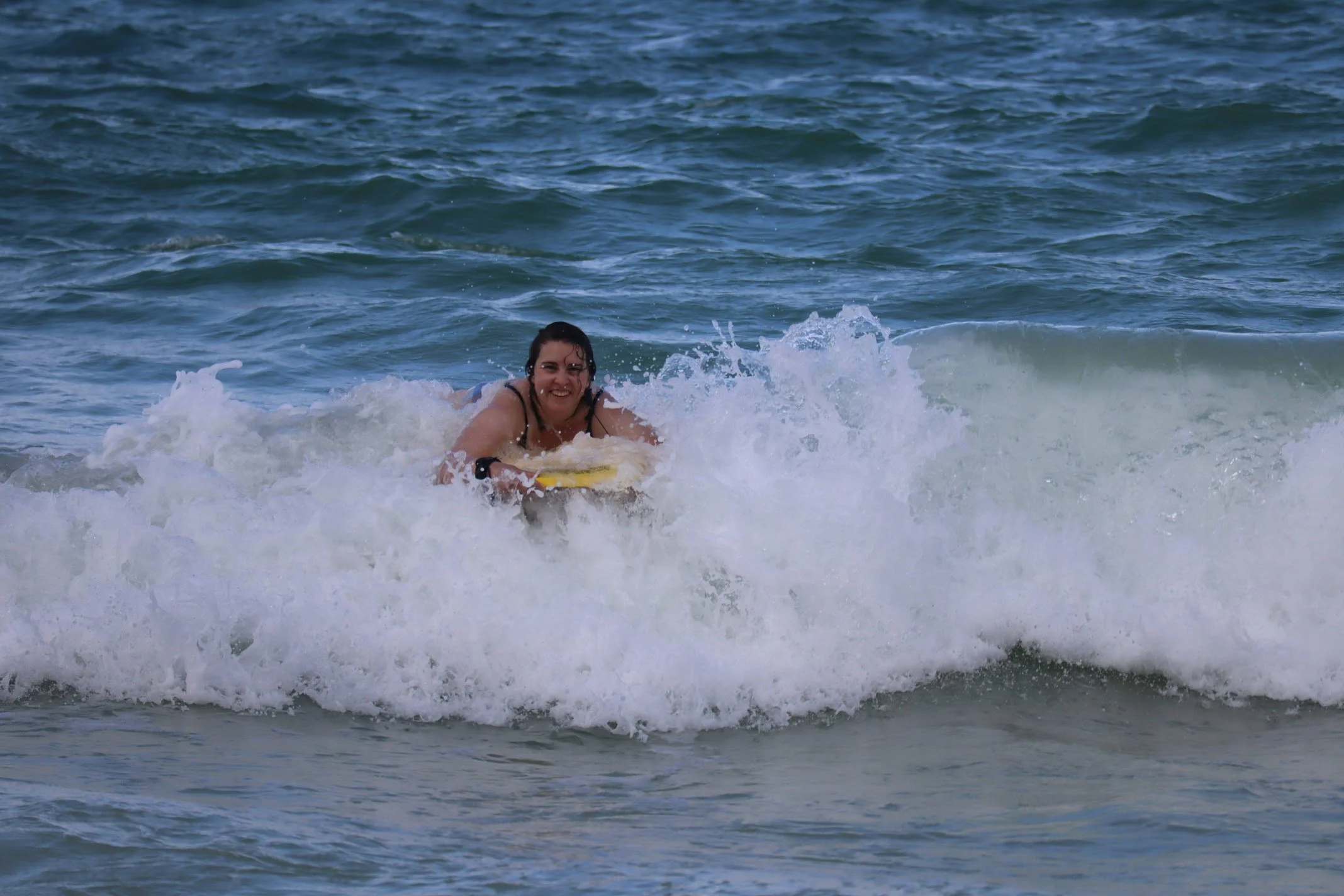
My daughter was a natural at catching the waves.
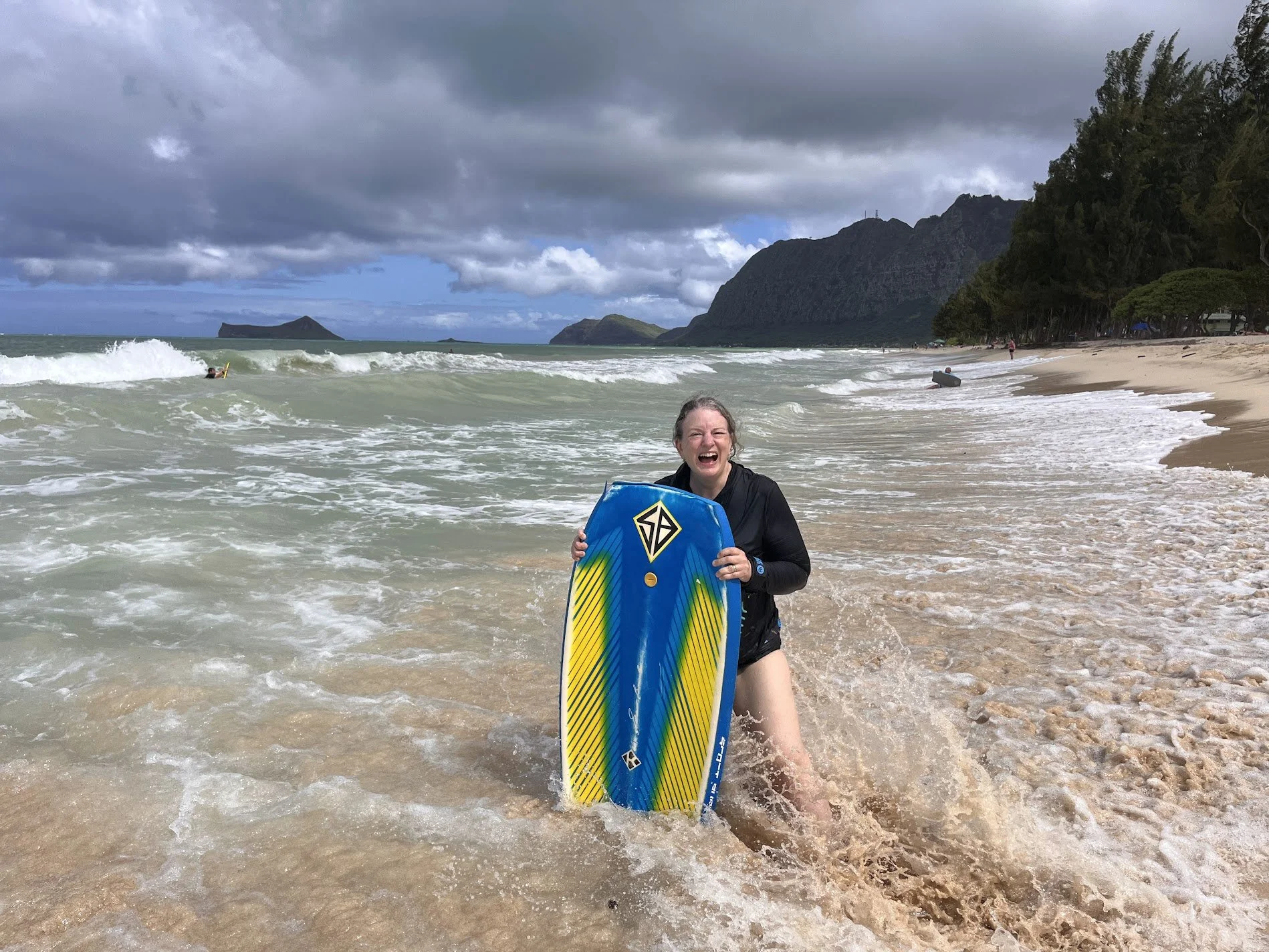
I’ve not spent much time in the ocean and was surprised at the strength of the waves.
Our final evening together was spent over dinner, sharing stories from the week and reflecting on all we had seen. Their generosity helped us experience Oahu not just as visitors, but as guests.
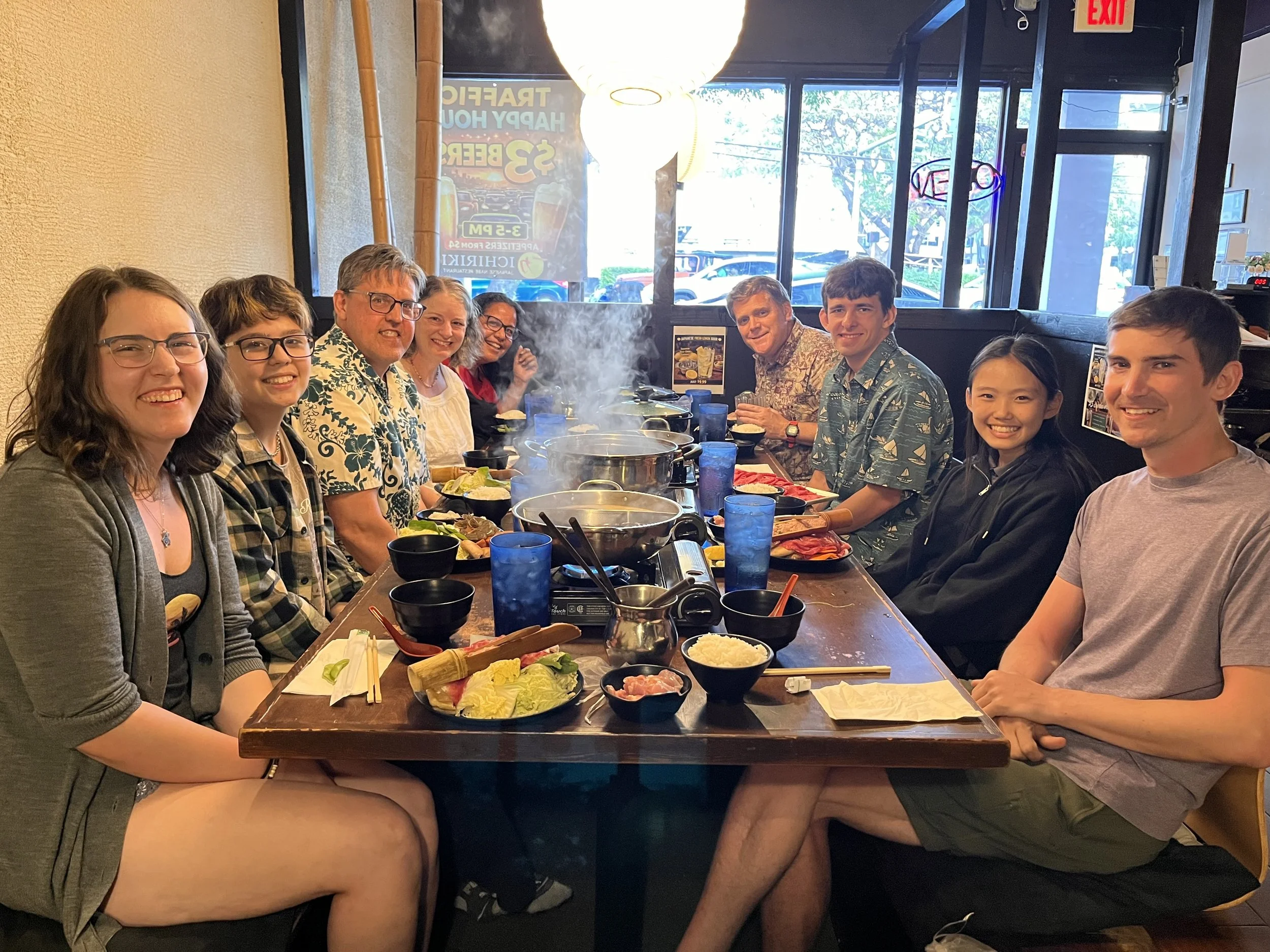
This was our family’s first experience at a Japanese restaurant, and we were so happy for the introduction!
Stillness in the Valley of the Temples
On our last morning in Hawaii, we visited Byodo-In Temple in the Valley of the Temples, choosing a quieter outing before our late-night flight home.
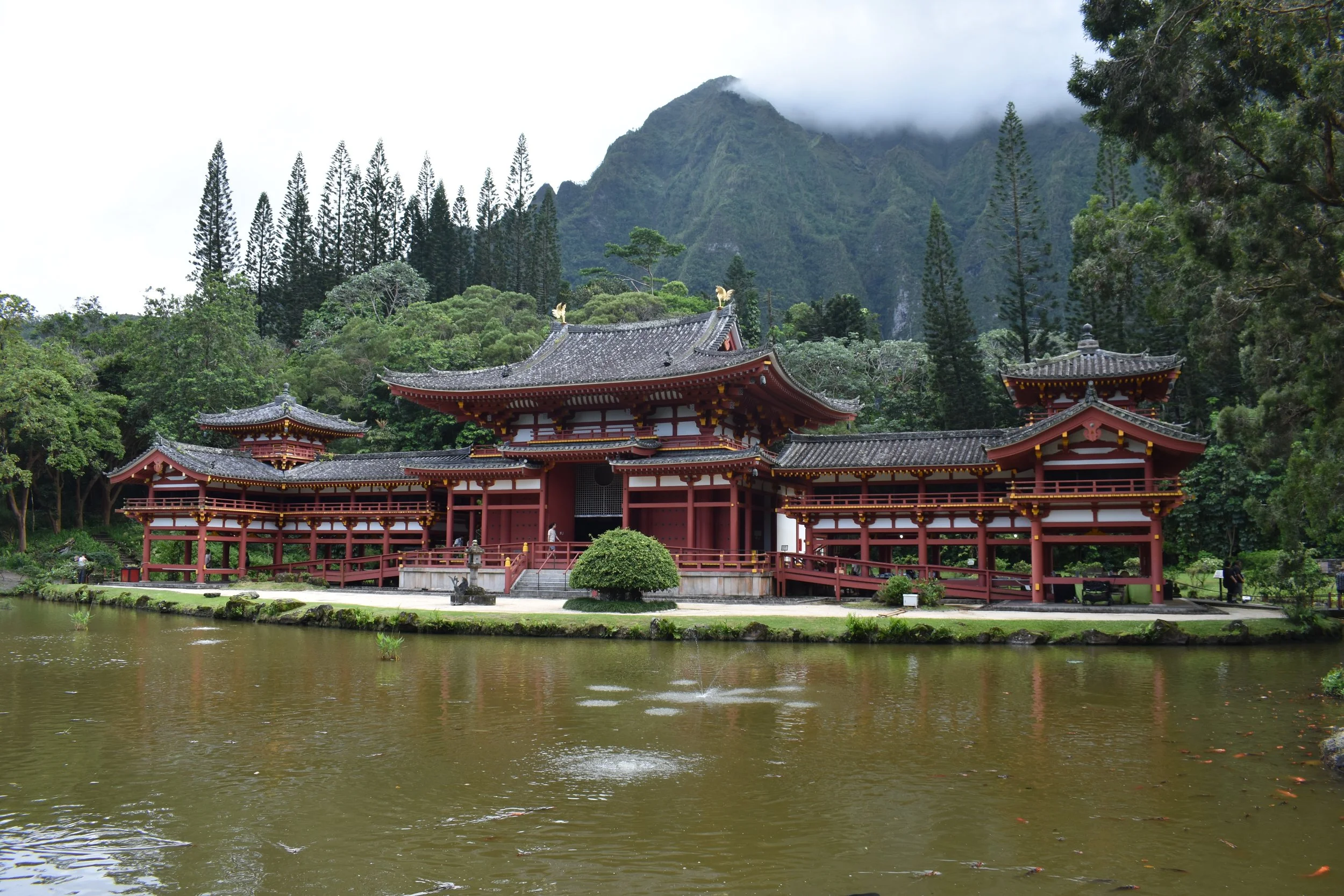
The temple is a replica of a 900-year-old temple in Japan, built in 1968 to commemorate the first Japanese immigrants to Hawaii.
The temple grounds were serene, with koi ponds, still water, and steep green cliffs rising behind the buildings. After a week of movement and exploration, it felt like a natural pause.
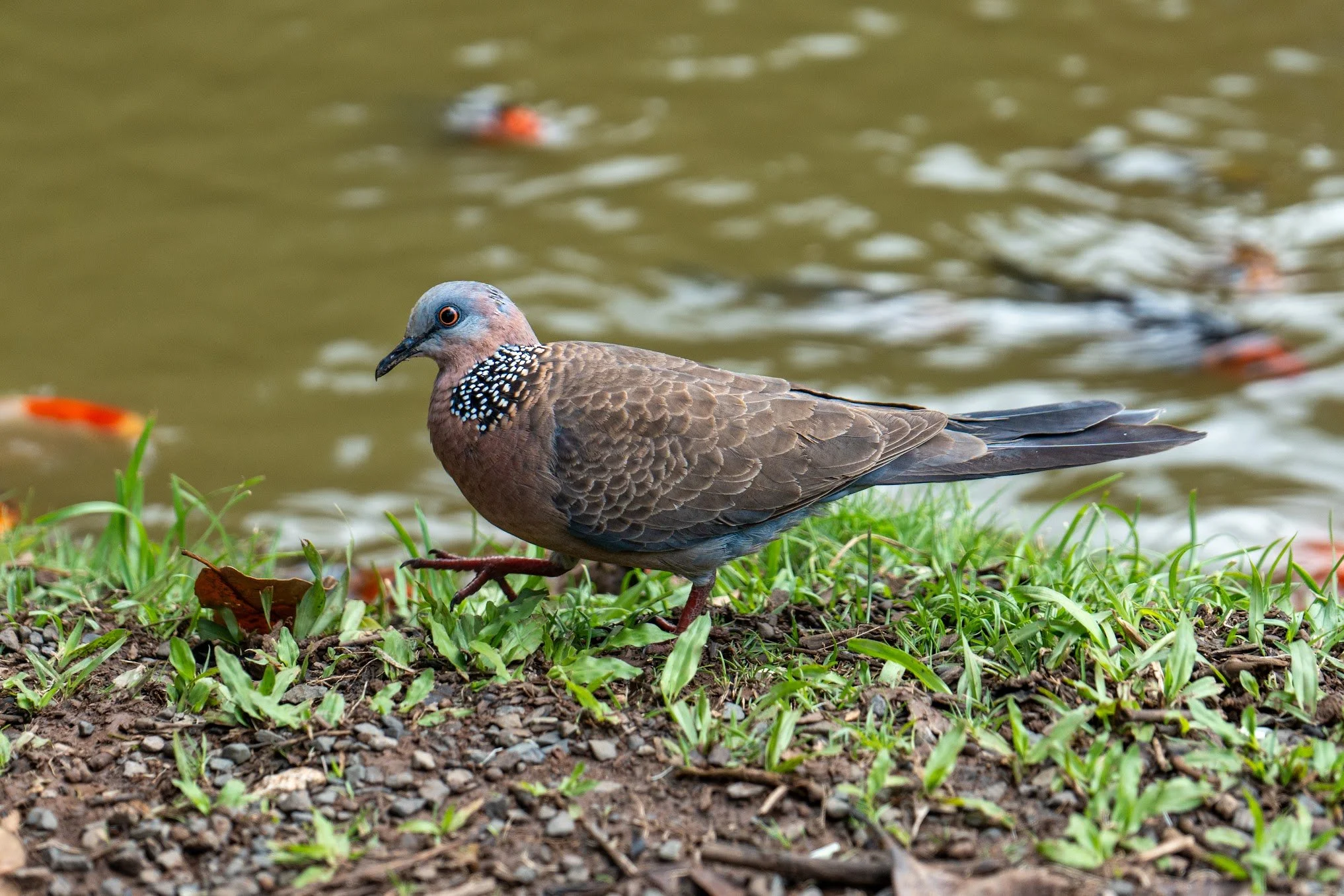
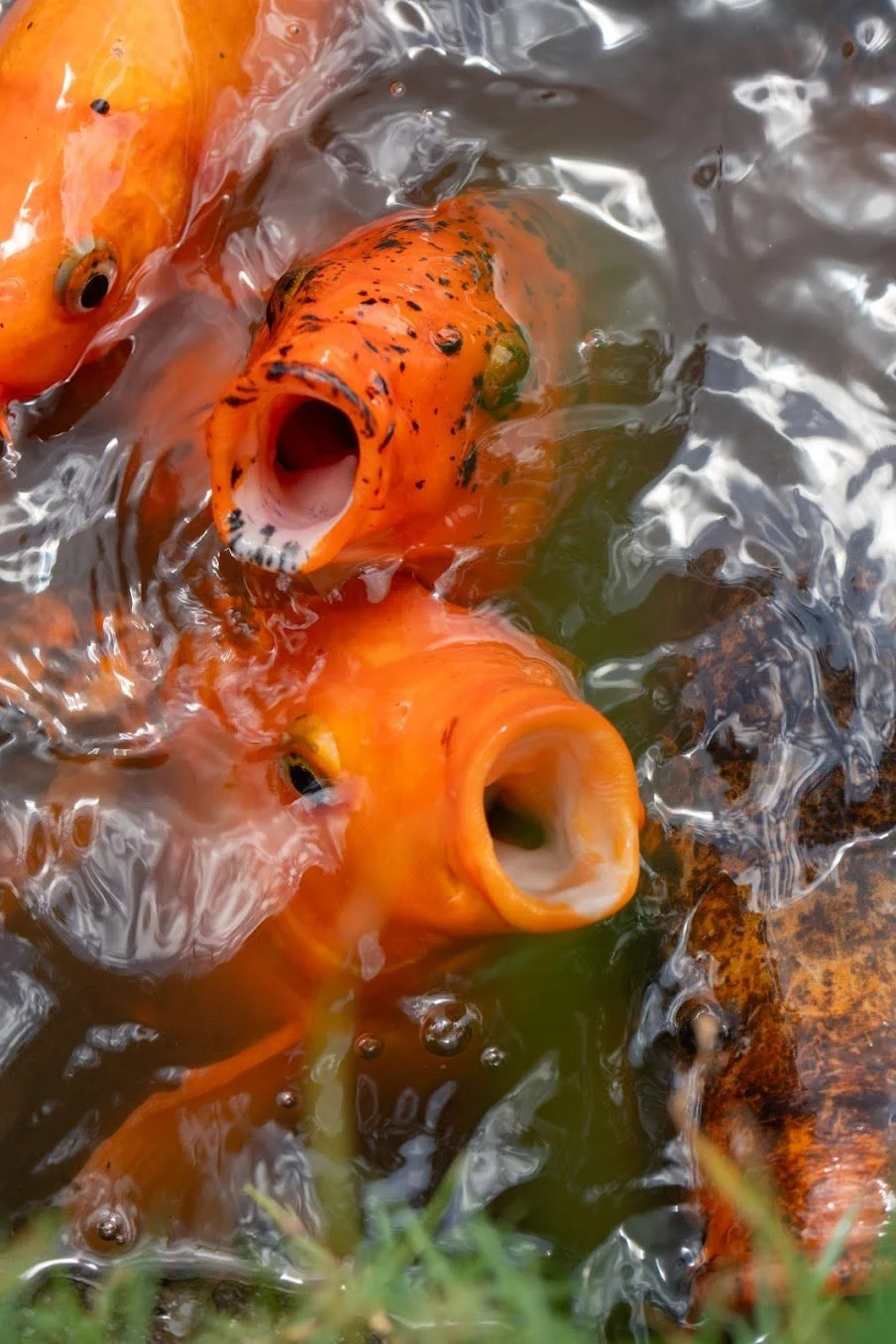
The young adults lingered by the ponds, photographing the koi and the ducks and other birds resting quietly along the paths and gardens.
Stories Along the Way
In the weeks leading up to the trip, and even during the journey itself, we watched a mix of films and a TV series set in or filmed around Oahu. It added another layer of connection to the places we were about to see, deepening the experience and making it both more fun and more meaningful once we arrived.
The most memorable were the films shot at Kualoa Ranch—especially Jurassic Park and Jurassic World—where the landscape later felt instantly familiar in person. We also watched 50 First Dates, which captures a softer side of island life, and Blue Crush, with its vivid portrayal of North Shore competitive surf culture. Lost and Finding ‘Ohana rounded out the island viewing, while films like Jumanji and Godzilla didn’t quite make the cut before departure. Pearl Harbor added historical context that deepened our visit to the National Historic Site.
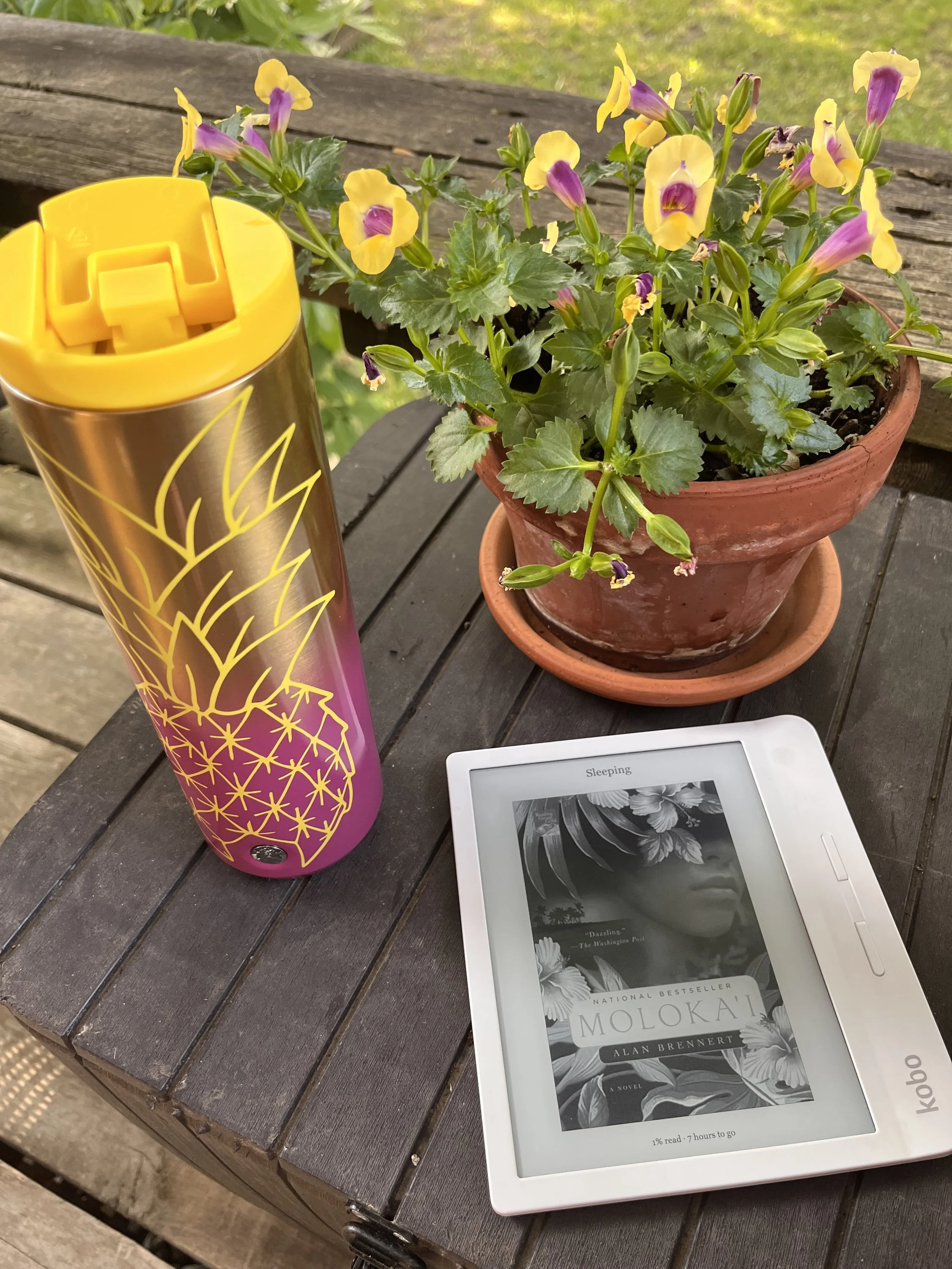
I had intended to read Moloka‘i during the journey, but only opened it on the flight home—and then couldn’t put it down. The novel follows a young Hawaiian girl sent to the isolated settlement at Kalaupapa after contracting Hansen’s disease (formerly known as leprosy) and introduced me to a chapter of Hawaiian history I knew very little about.
Sometimes travel doesn’t end when you return home. Sometimes it continues in the stories you carry with you afterward.
